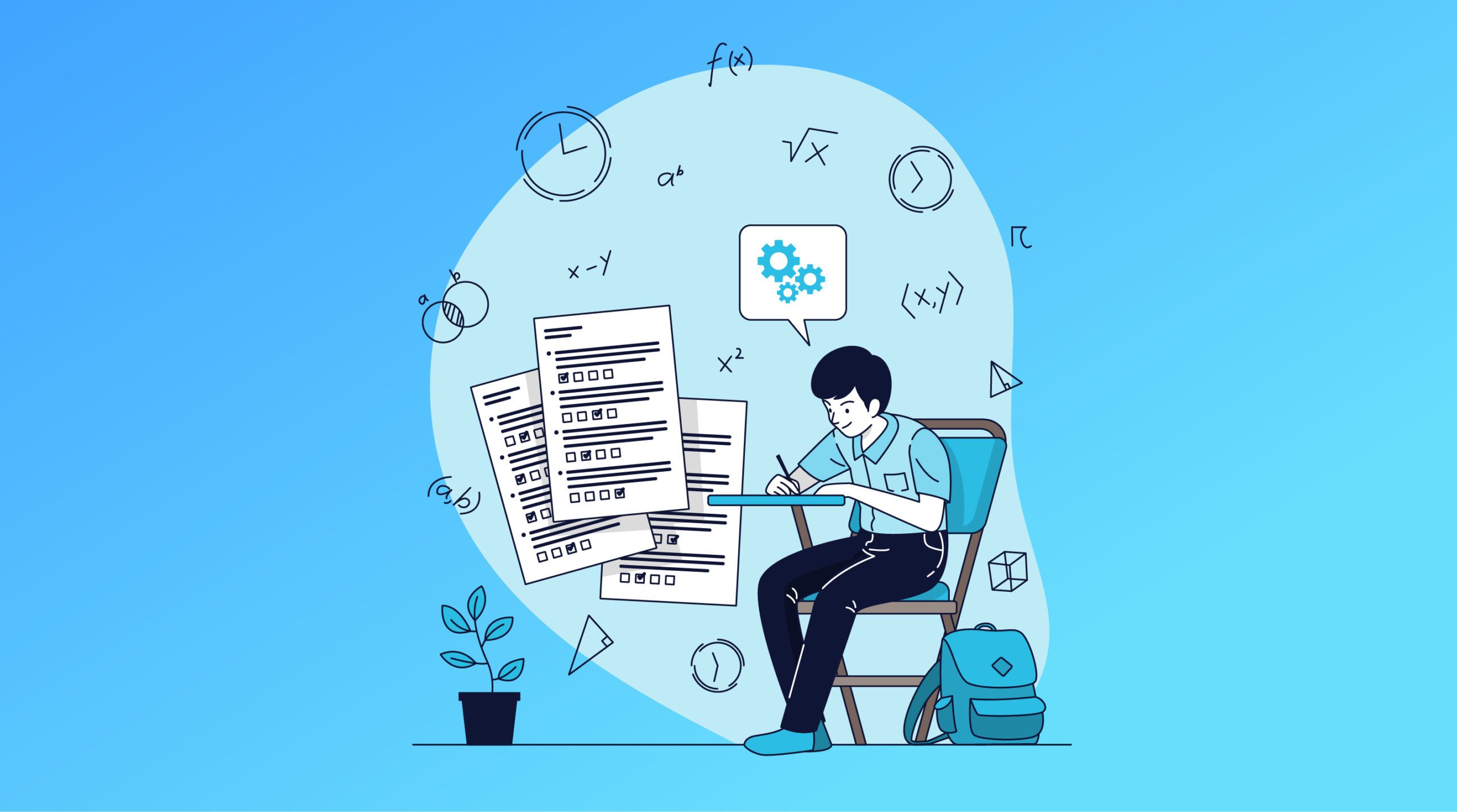
Revision plays a crucial role in helping students consolidate what they have learned in Primary English. Many students study regularly but still struggle during exams because their revision methods are not structured or effective. Without the right approach, it becomes difficult to retain information and apply it confidently across different components such as comprehension, writing, and grammar.
To improve performance, students need consistent and focused revision strategies. Parents often look into structured support such as primary English tuition to ensure their children receive guided practice, targeted revision plans, and effective learning techniques. With the right methods, students can strengthen their understanding, improve accuracy, and approach exams with greater confidence.
Effective revision is not about studying for more hours, but about studying smarter and reinforcing key concepts consistently.
Create a Structured Revision Plan
A well-organised revision plan helps students cover all topics systematically. It ensures that no important areas are missed.
Students should allocate time based on their strengths and weaknesses.
- Divide topics into manageable sections
- Set daily and weekly revision goals
- Focus more on weaker areas
- Include time for review and practice
A structured plan improves consistency. It also reduces last-minute stress before exams.
Focus on Understanding, Not Memorisation
Understanding concepts is more effective than memorising answers. It allows students to apply knowledge in different situations.
Students should aim to build strong foundations in language skills.
- Understand grammar rules clearly
- Learn how to apply vocabulary in context
- Focus on comprehension techniques
- Practise explaining answers
Understanding improves retention. It also helps students handle unfamiliar questions confidently.
Use Practice Papers Effectively
Practice papers help students become familiar with exam formats and question types. They are an essential part of revision.
Students should use them strategically for maximum benefit.
- Attempt papers under timed conditions
- Review answers after completion
- Identify common mistakes
- Focus on improving weak areas
Regular practice builds confidence. It also improves time management during exams.
Strengthen Vocabulary and Grammar
Vocabulary and grammar form the foundation of Primary English. Strong language skills improve performance across all sections.
Students should revise these areas consistently.
- Learn new words daily
- Practise sentence construction
- Revise grammar rules regularly
- Apply vocabulary in writing
Strong language skills enhance communication. They also improve overall exam performance.
Practise Writing Regularly
Writing practice helps students organise ideas and express them clearly. It is essential for composition and situational writing.
Students should focus on clarity and structure.
- Write compositions regularly
- Practise different writing formats
- Use varied vocabulary
- Review and edit writing
Regular writing improves expression. It also helps students develop confidence in presenting ideas.
Comparison: Effective vs Ineffective Revision
| Aspect | Effective Revision | Ineffective Revision |
| Approach | Structured and planned | Unorganised |
| Focus | Understanding concepts | Memorisation only |
| Practice | Regular and consistent | Irregular |
| Review | Continuous improvement | Minimal review |
| Results | Steady progress | Limited improvement |
This comparison highlights the importance of effective revision strategies. It shows how proper methods lead to better outcomes.
Revise Through Active Learning Techniques
Active learning engages students more effectively than passive reading. It improves understanding and retention.
Students should use interactive revision methods.
- Summarise topics in their own words
- Teach concepts to others
- Use mind maps and notes
- Practise quizzes and exercises
Active learning makes revision more effective. It also helps students remember information better.
Manage Time During Revision
Time management is important to ensure all topics are covered. Students should balance study and rest.
Proper time management improves productivity.
- Set specific time slots for each subject
- Avoid long, unproductive sessions
- Take short breaks between study sessions
- Prioritise important topics
Efficient time use enhances revision quality. It also prevents burnout.
Learn from Mistakes and Feedback
Mistakes provide valuable learning opportunities. Reviewing errors helps students improve and avoid repetition.
Students should focus on understanding their mistakes.
- Analyse incorrect answers
- Identify patterns in mistakes
- Correct errors and practise again
- Seek guidance when needed
Learning from mistakes leads to improvement. It helps students build stronger skills over time.
Stay Consistent and Build Confidence
Consistency is key to successful revision. Students should maintain a regular study routine.
Confidence grows with preparation and practice.
- Revise daily
- Track progress
- Stay motivated
- Maintain a positive mindset
Consistency builds confidence. It helps students perform better during exams.
Final Takeaway
Effective revision techniques are essential for success in Primary English. By focusing on structured planning, understanding concepts, and consistent practice, students can improve their performance and confidence.
A guided and structured approach can make a significant difference. At Unitimes Academy, students receive targeted revision strategies and personalised support to help them strengthen their skills and achieve academic success.
Frequently Asked Questions
1. What is the best way to revise Primary English?
Students should follow a structured plan, focus on understanding concepts, and practise regularly. Consistency is key to effective revision.
2. How often should students revise English?
Students should revise daily with a balanced schedule. Regular revision helps reinforce learning and improve retention.
3. Why are practice papers important for revision?
Practice papers help students understand exam formats and improve time management. They also highlight areas that need improvement.