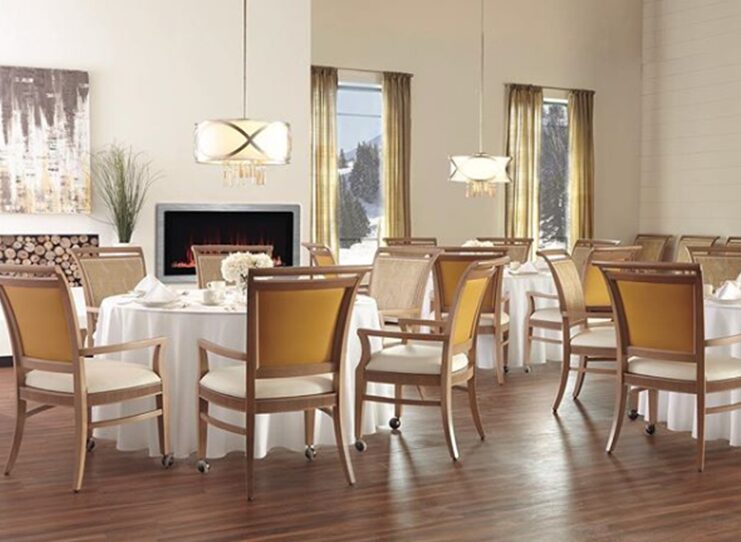
Creating a safe, comfortable, and welcoming environment is one of the most important priorities for senior living communities. Furniture plays a critical role in supporting residents’ physical well-being, independence, and overall quality of life. From common areas and dining spaces to resident rooms and healthcare environments, selecting the right senior living furniture requires careful consideration of safety, durability, functionality, and design.
This guide outlines the key factors decision-makers should evaluate when furnishing retirement homes, assisted living facilities, and aged care communities.
Why Furniture Selection Matters in Senior Living Environments
Unlike traditional commercial furniture, senior living furniture must address the unique needs of aging individuals. Residents may experience reduced mobility, balance challenges, or physical limitations that make everyday furniture unsuitable.
The right furniture not only enhances comfort but also contributes to injury prevention, easier mobility, and a more dignified living experience. For facility operators, high-quality furniture can also reduce maintenance costs and extend product lifespan.
Key Features to Look for in Senior Living Furniture
1: Safety-Focused Design
Safety should be the primary consideration when evaluating furniture for senior living facilities. Chairs, tables, and lounge seating should feature stable construction, rounded edges, and slip-resistant materials where appropriate.
Furniture designed specifically for healthcare and aged care settings often includes supportive armrests that assist residents when sitting down or standing up. Proper seat height is equally important, helping reduce strain on joints and minimizing fall risks.
2: Durability for High-Traffic Environments
Senior living communities experience constant daily use, making durability a critical factor. Furniture should be constructed using commercial-grade materials capable of withstanding heavy traffic while maintaining structural integrity.
High-quality wood grain metal frames, reinforced joints, and scratch-resistant finishes offer long-term performance while reducing replacement frequency. Investing in durable furniture ultimately lowers operational costs and ensures a consistent appearance throughout the facility.
3: Resident Comfort and Ergonomic Support
Comfort directly impacts resident satisfaction and well-being. Ergonomically designed seating provides proper posture support while reducing pressure on the back, hips, and joints.
When selecting seating solutions, facility managers should evaluate seat depth, cushion density, lumbar support, and armrest positioning. Well-designed senior living chairs from Yumeya Furniture are engineered to balance comfort with accessibility, helping residents maintain independence while enjoying daily activities.
Infection Control and Easy Maintenance
Healthcare and senior care environments require furniture that supports cleanliness and infection prevention protocols. Upholstery materials should be easy to clean, stain-resistant, and capable of withstanding frequent sanitization.
Many modern healthcare furniture solutions incorporate antimicrobial surfaces and moisture-resistant materials that simplify maintenance while promoting a healthier environment for residents and staff.
Balancing Functionality with Residential Appeal
Today’s senior living communities aim to create environments that feel like home rather than institutional settings. As a result, aesthetics have become increasingly important in furniture selection.
Designers and operators should look for furniture that combines healthcare-grade performance with residential-style elegance. Warm finishes, attractive upholstery options, and thoughtfully designed silhouettes help create inviting spaces that improve resident comfort and family perceptions.
1: Dining Area Considerations
Dining spaces are among the most frequently used areas in senior living communities. Dining chairs should offer excellent stability, supportive armrests, and easy maneuverability.
Tables should accommodate mobility aids while providing sufficient clearance for comfortable dining experiences. Consistent furniture design across dining and common areas also helps establish a cohesive community atmosphere.
2: Common Areas and Social Spaces
Community lounges and activity rooms encourage social interaction and engagement. Furniture selections should support both individual relaxation and group activities.
Flexible seating arrangements, comfortable lounge chairs, and durable occasional tables contribute to versatile spaces that accommodate a wide range of resident needs and programming activities.
Evaluating Manufacturer Expertise
Choosing the right furniture manufacturer is just as important as selecting the furniture itself. Experienced healthcare furniture manufacturers understand regulatory requirements, ergonomic principles, and the operational demands of senior living facilities.
When evaluating suppliers, decision-makers should consider product testing standards, warranty coverage, customization capabilities, and experience serving healthcare and aged care sectors. Reliable manufacturers provide solutions specifically engineered for senior environments rather than adapting standard commercial furniture.
Conclusion
Selecting the best senior living furniture involves more than choosing attractive pieces. Safety, durability, comfort, infection control, and long-term value must all be carefully evaluated to create environments that support resident well-being and operational efficiency.
For retirement communities, assisted living facilities, and aged care providers seeking dependable furniture solutions, investing in purpose-built products such as senior living chairs from Yumeya Furniture can help create safer, more comfortable, and more welcoming spaces for residents while delivering lasting performance for facility operators.