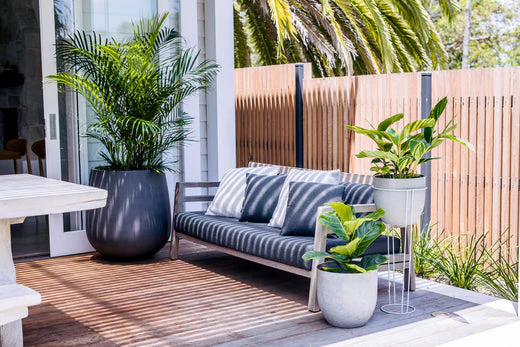
Modern garden design focuses on clean lines, neutral colors, and structural plants. Whether you have a vast backyard, a small urban balcony, or an indoor plant collection, selecting the right containers is just as crucial as choosing the plants themselves. Among all the options available to homeowners and landscapers today, grey plant containers have become the industry standard for contemporary styling.
Grey serves as the perfect canvas. It bridges the gap between traditional terracotta and ultra-modern white or black containers. If you are looking to update your outdoor space this year, you can buy grey planters to instantly elevate your property’s visual appeal.
Why Grey Planters Are a Top Choice for Modern Spaces
The color grey has taken over interior and exterior design fields for several reasons. It is neutral, timeless, and fits into almost any architectural style, from rustic country cottages to industrial urban lofts.
1. Exceptional Plant Contrast
The primary job of a plant container is to showcase the plant inside it. Brightly colored pots can sometimes distract the eye from the foliage. Grey, on the other hand, acts as a muted backdrop. The deep greens of ferns, the bright lime tones of hostas, and the vivid reds or purples of flowering perennials stand out sharply against a grey surface.
2. Neutral Flexibility
Unlike bright blues, reds, or yellows, grey does not clash with existing brickwork, timber decking, or stone paving. It coordinates effortlessly with wooden garden furniture, metal railings, and concrete paths. If you change your garden furniture or repaint your fences in the future, your grey containers will still match your new setup perfectly.
3. Masking Daily Wear and Tear
Outdoor containers face harsh environments. Dust, mud splashes, pollen, and water spots quickly show up on bright white or dark black pots. Grey surfaces are incredibly forgiving. They hide everyday garden dirt and water stains remarkably well, meaning your garden looks clean and tidy with minimal maintenance.
Choosing the Right Materials for Outdoor Longevity
When you decide to buy grey planters, you will find them available in a wide variety of materials. Each material has unique properties regarding weight, durability, weather resistance, and price.
Fiberstone and Glass Reinforced Concrete (GRC)
Fiberstone and GRC are premium choices for modern gardens. They combine stone powder or concrete with fiberglass mesh.
- Benefits: This combination creates a container that looks and feels like solid stone or heavy concrete but weighs a fraction of the amount. It is highly resistant to frost, cracking, and UV damage.
- Best For: Large architectural statement pieces, driveway entrances, and exposed patios.
Corten Steel and Coated Metals
Metal containers offer a sleek, industrial aesthetic with very thin walls, maximizing the soil volume inside.
- Benefits: Powder-coated aluminum or galvanized steel pots in charcoal or slate grey are exceptionally strong and cannot crack in heavy winter frosts.
- Best For: Minimalist urban balconies and commercial spaces.
Lightweight Plastics and Composites
For budget-conscious gardeners or those who like to rearrange their layouts frequently, high-grade plastic polymers are excellent options.
- Benefits: These are highly affordable, very light to lift, and retain moisture well because the walls are non-porous.
- Best For: Balconies with weight restrictions or hanging displays.
Current Design Trends in Grey Garden Styling
Container gardening is no longer just about placing a few mismatched pots next to the back door. Today, the arrangement and structure of your containers form the backbone of garden architecture.
Monochromatic Groupings
A major trend involves grouping three or five containers of the exact same grey shade but in different heights and shapes. For instance, placing a tall cylindrical pot, a medium round pot, and a low bowl together creates visual depth. This approach looks organized and intentional rather than cluttered.
Architectural Planting
Homeowners are shifting away from short-lived bedding plants toward permanent, structural planting. Tall grey troughs are frequently used to hold rows of bamboo or ornamental grasses to form natural, living privacy screens along property boundaries. Large square pots are ideal for hosting structural specimen trees like Japanese Maples or olive trees.
Textured Surfaces
While smooth matte finishes remain popular, there is a growing interest in textured grey surfaces. Pots with ribbed patterns, faux-stone pitting, or exposed aggregate finishes add tactile appeal to outdoor seating areas.
Practical Considerations and Challenges
While using grey containers brings many aesthetic benefits, successful long-term plant health requires attention to setup details.
1. Soil Temperature Management
Dark charcoal and slate grey shades absorb heat from direct sunlight more rapidly than white or terracotta pots. In the peak of summer, the soil inside dark pots can heat up, causing water to evaporate quickly and potentially stressing sensitive plant roots.
- Solution: Position dark grey pots where they receive afternoon shade, or choose light grey and concrete-toned finishes for areas that sit in full sun all day long.
2. Ensuring Proper Drainage
No matter how beautiful the container looks, plants will rot if their roots sit in stagnant water. Many high-quality decorative pots do not come with pre-drilled drainage holes so they can be used indoors.
- Solution: Always check if holes are present before planting. If they are missing, use a masonry or plastic drill bit to create drainage holes in the base. Line the bottom with a layer of gravel or small stones before adding compost to keep the holes from clogging.
3. Weight and Portability
Large fiberstone or concrete pots become exceptionally heavy once filled with wet soil and mature plants. Moving them across a garden later can cause back strain or damage to your decking.
- Solution: Put your large containers in their permanent home before filling them with soil. If you live in a rented property or like to change your layout, look for lightweight composite versions or place heavy pots on wheeled castors.
Step-by-Step Planting Guide for Maximum Impact
To ensure your new containers look stunning and stay healthy throughout the year, follow this simple planting method:
- Select Your Pot: Choose a container that gives your plant roots room to grow for at least two to three years.
- Add Drainage Material: Place a layer of pottery shards or large gravel at the bottom to cover the drainage holes without blocking them.
- Use Premium Compost: Fill the container with a high-quality potting mix suited to your plant type (e.g., ericaceous compost for camellias, or gritty mix for Mediterranean herbs).
- Position the Plants: Arrange your plants. Use the classic arrangement technique: a central tall plant, surrounded by filler plants, and trailing plants near the edges.
- Mulch the Surface: Cover the exposed topsoil with a layer of grey slate chippings or pebbles. This keeps moisture in the soil and finishes the look perfectly.
Final Thoughts
Grey plant containers offer a timeless, practical solution for modern home and garden design. Their ability to blend with any architectural style, highlight the natural beauty of your plants, and resist showing everyday outdoor dirt makes them an excellent investment for your property. By selecting the right material for your climate and ensuring your pots have adequate drainage, you can create a beautiful garden display that lasts for years.