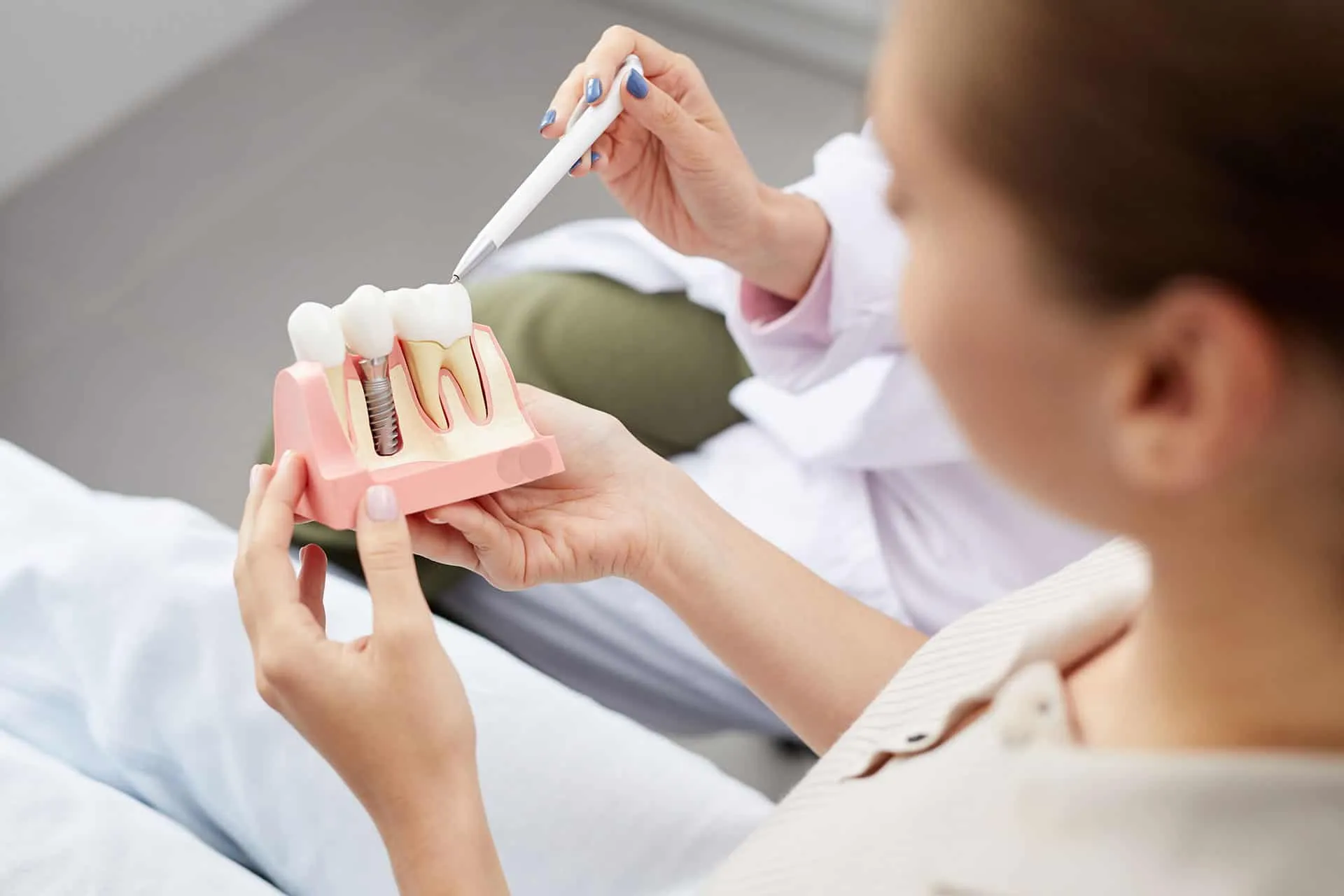
Losing a tooth can rattle your confidence and your daily routine. You may hide your smile, chew on one side, or avoid certain foods. At some point, you start to wonder if it is time to talk about dental implants. This blog gives you three clear signs that you may be ready for a dental implant consultation. You will see how missing teeth affect your mouth, your health, and your peace of mind. You will also learn when it makes sense to call a San Ramon dentist and ask for help. There is no pressure to decide on treatment today. There is only a chance to understand your options and protect your future health. When you know the signs, you can act early, avoid more damage, and feel more in control of your care.
Sign 1: You Have Ongoing Trouble Eating Or Speaking
Missing teeth change how you bite and chew. Your jaw and tongue must work harder. You may avoid meat, raw vegetables, or crusty bread. You may also notice a lisp or slurred words. These changes are common. They are not harmless.
Watch for these signs:
- You chew on one side to avoid pain or gaps
- You cut food into very small pieces just to get through meals
- You feel tired after chewing or your jaw feels sore
- You feel embarrassed when you speak or laugh
Over time, chewing on one side can strain your jaw joints. It can also wear down the teeth that still remain. You may then need more treatment. A dental implant can replace the missing tooth root. It can help balance your bite so you can eat and speak in a more natural way.
The National Institute of Dental and Craniofacial Research explains how tooth loss affects daily function and health.
Sign 2: You Feel Self-Conscious About Your Smile
You deserve to feel steady when you smile. A missing front tooth or a dark space near the front of your mouth can pull you away from others. You may cover your mouth in photos. You may skip social events. You may avoid dating or job interviews. The space in your mouth starts to shape your choices.
Notice how you react in daily life:
- You avoid smiling in group pictures
- You feel a jolt of worry when you meet someone new
- You worry that people look at the gap instead of listening to you
These reactions can drain you. A dental implant will not fix every worry. Yet it can remove one clear trigger. When the gap is filled with a stable tooth, your face can look more even. Your lips have better support. You may find it easier to meet someone’s eyes and speak up.
The Centers for Disease Control and Prevention links oral health to quality of life and social well-being.
Sign 3: Your Other Teeth Are Shifting Or Wearing Down
A missing tooth does not stay a simple gap. Teeth move. The ones next to the space can tilt or drift. The tooth above or below can move into the empty spot. Your bite can change. This movement can lead to pain, chipping, and more tooth loss.
Common warning signs include:
- New gaps between other teeth
- Teeth that look longer or uneven
- Chipped edges or flat biting surfaces
- Jaw soreness when you wake up
An implant can act like a strong post in the jaw. It helps keep nearby teeth in place. It can also spread biting forces more evenly. That protection can reduce new wear on your remaining teeth.
How Dental Implants Compare To Other Options
You may wonder how implants differ from bridges or partial dentures. The simple table below gives a quick comparison. Every mouth is different. This is only a starting point for your talk with a dentist.
| Treatment | Replaces Tooth Root | Affects Nearby Teeth | Stability When Chewing | Removable Or Fixed |
|---|---|---|---|---|
| Dental implant with crown | Yes. A post is placed in the jawbone | Often spares nearby teeth from grinding | High stability for most foods | Fixed in place |
| Traditional bridge | No. Only replaces the visible tooth | Often needs grinding of nearby teeth | Good stability when well cared for | Fixed in place |
| Removable partial denture | No. Sits on gums and hooks to teeth | Clasp pressure on nearby teeth | Moderate stability. May move with hard foods | Removable for cleaning |
What Happens At A Dental Implant Consultation
A consultation is a talk. You do not agree to treatment. You gather facts. The dentist checks your mouth, teeth, and gums. You may need X-rays. You discuss your health history and any medicines. You share what bothers you and what you hope to change.
You can expect three main steps:
- Review your goals. You explain your pain points and daily limits.
- Clinical check. The dentist looks for gum disease, bone loss, and bite problems.
- Plan options. You hear if implants are possible and what other options exist.
You then go home with more knowledge and time to think. You can ask for a written plan and cost estimate. You can also ask how long healing may take and what support you will need.
When To Call For Help
You may be ready for a dental implant consultation if three truths line up:
- You struggle to eat or speak because of one or more missing teeth.
- You feel a strong hit to your confidence when you smile or meet others.
- You see changes in your bite, tooth wear, or jaw comfort.
When these signs show up, do not wait for more damage. A simple visit can give you clear answers. You can then decide if a dental implant, a bridge, or another choice fits your life. You stay in control. You protect your health. You move toward a steadier smile on your own terms.