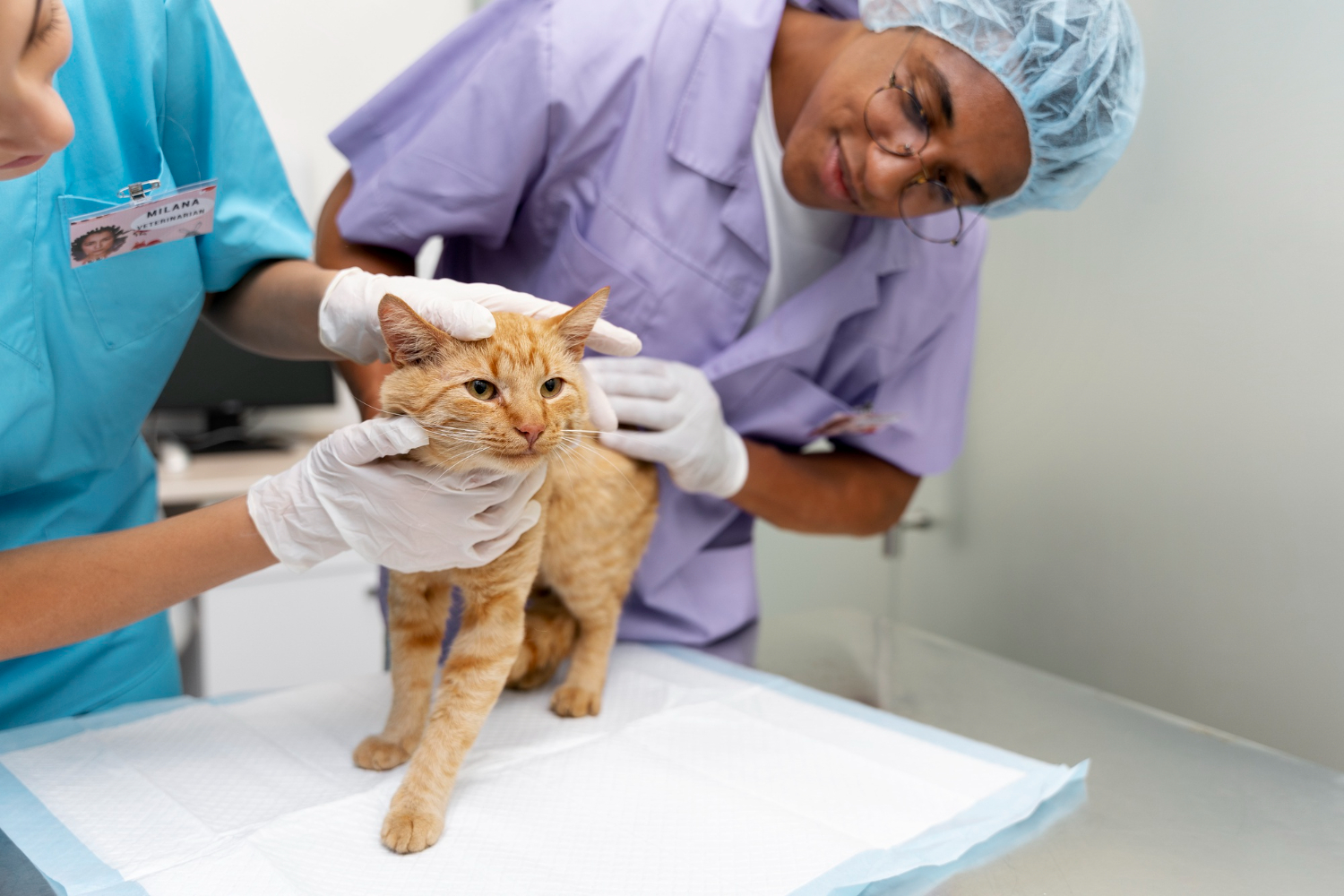
Skin and allergy problems can wear your pet down. Constant scratching, chewing, and red patches can steal sleep, cause pain, and spark worry. You may try shampoos or food changes and see no real change. That is where a veterinary hospital steps in. A hospital offers clear answers, safe testing, and steady care. You get a plan that matches your pet, not a guess from the internet. You also gain a team that watches for infection, long term damage, and hidden triggers. A downtown Lakeland veterinarian can use skin exams, lab work, and allergy tests to find the cause, not just cover the signs. Then treatment can bring relief and protect your pet’s health. This blog explains how veterinary hospitals spot skin and allergy issues early, treat flare ups, and help you prevent them from returning.
Why skin and allergy issues need quick action
Skin disease is one of the most common reasons pets see a vet. It causes pain. It also affects sleep, mood, and appetite. You may notice three early signs. Your pet licks or scratches one spot. You see hair loss in patches. You smell a sour or musty odor from the skin or ears.
Unchecked skin problems can lead to infection. Open sores let bacteria and yeast grow. Scratching can create thick, scarred skin. In severe cases, pets stop eating and lose weight. Quick care blocks this slide. It brings comfort and protects long term health.
What happens during a skin and allergy visit
At a veterinary hospital, the team follows a clear process. You can expect three main steps.
- Careful questions about your pet’s habits, food, and home
- Hands on skin and ear exam from nose to tail
- Simple tests to look for infection, parasites, or allergy patterns
Common tests include skin scrapings, ear swabs, and tape samples. The vet studies these under a microscope. This helps spot mites, bacteria, or yeast. In some cases, the vet may suggest blood work or allergy testing. The goal is to find the cause, not only treat the rash.
You can read more about common dog skin problems from the University of Illinois College of Veterinary Medicine at this resource. It explains how common and stubborn these issues can be.
Common causes of skin and allergy problems
Many different triggers can hurt your pet’s skin. Often more than one is at work at the same time. Three broad groups cause most problems.
- External pests such as fleas and mites
- Food reactions such as protein or ingredient sensitivity
- Environmental triggers such as pollen, mold, or dust
Fleas cause strong itch. Some pets react to even one bite. Food issues can show as ear infections, face rubbing, or rear end chewing. Environmental triggers often cause seasonal flares. You may see worse scratching in spring and fall.
How veterinary hospitals treat skin and allergy issues
There is no single cure that fits every pet. A hospital builds a plan that targets three needs. Stop the itch. Clear infection. Reduce future flares.
To stop itch, the vet may use oral medicine, topical sprays, or medicated baths. To clear infection, the vet may prescribe antibiotics or antifungal drugs. To reduce flares, the vet may suggest flea control, diet changes, or allergy testing and long term allergy shots.
The table below compares common home care attempts with care in a veterinary hospital.
| Approach | What it usually involves | Limits | How a veterinary hospital helps |
|---|---|---|---|
| Over the counter shampoos | Baths with general itch relief products | May soothe for a short time. Does not treat infection or deep allergy | Chooses medicated products matched to your pet’s skin and infection type |
| Random food changes | Switching brands or flavors without a plan | Hard to know what ingredient helps or harms. Can delay real diagnosis | Creates a strict food trial with one protein and one carb to test true food allergy |
| Stopping fleas only when seen | Using spot treatment once in a while | Misses hidden stages of the flea life cycle. Pets keep getting bitten | Sets year round flea control for all pets in the home with products backed by research |
| Home remedies | Oils, herbs, or human creams | Can burn or infect skin. Can interact with other medicine | Uses safe, tested drugs with known effects and follow up |
Why follow up visits matter
Skin and allergy care is not a one time event. Your pet’s skin can change with weather, age, and stress. Follow up visits let the vet check three things. Is the itch better. Is infection gone. Is the plan easy for you to keep.
If your pet improves, the vet may lower doses or change to long term control. If not, the vet may add new tests or adjust the plan. This steady review keeps problems from roaring back. It also reduces the risk of drug resistance or long term harm.
Your role at home
You see your pet every day. That gives you power. You can track changes and support the plan.
- Give all medicines as directed and finish the course
- Use flea and tick prevention all year unless the vet says otherwise
- Follow diet instructions without extra treats or table scraps
Also keep a simple log. Write down flare dates, food changes, new cleaners, or yard work. Bring this to each visit. It helps the vet spot patterns that might not be clear from one visit alone.
When to seek urgent help
Some skin and allergy signs need quick care. Do not wait if you see any of the following.
- Raw skin with bleeding or pus
- Swollen face or muzzle
- Hives with vomiting, weak movement, or breathing trouble
These can signal strong allergic reactions or deep infection. A hospital can give fast shots, fluids, and oxygen if needed. Quick care can save your pet’s life.
Finding reliable guidance
Online advice is mixed. Some tips help. Others can harm. Use trusted sources and your vet’s guidance. For basic allergy facts in pets, you can review the American College of Veterinary Dermatology’s allergy overview hosted by Colorado State University at this link. Then bring questions to your veterinary hospital.
Skin and allergy problems can feel endless. With a strong hospital partner and clear plan, your pet can rest, heal, and live with less itch and more peace.