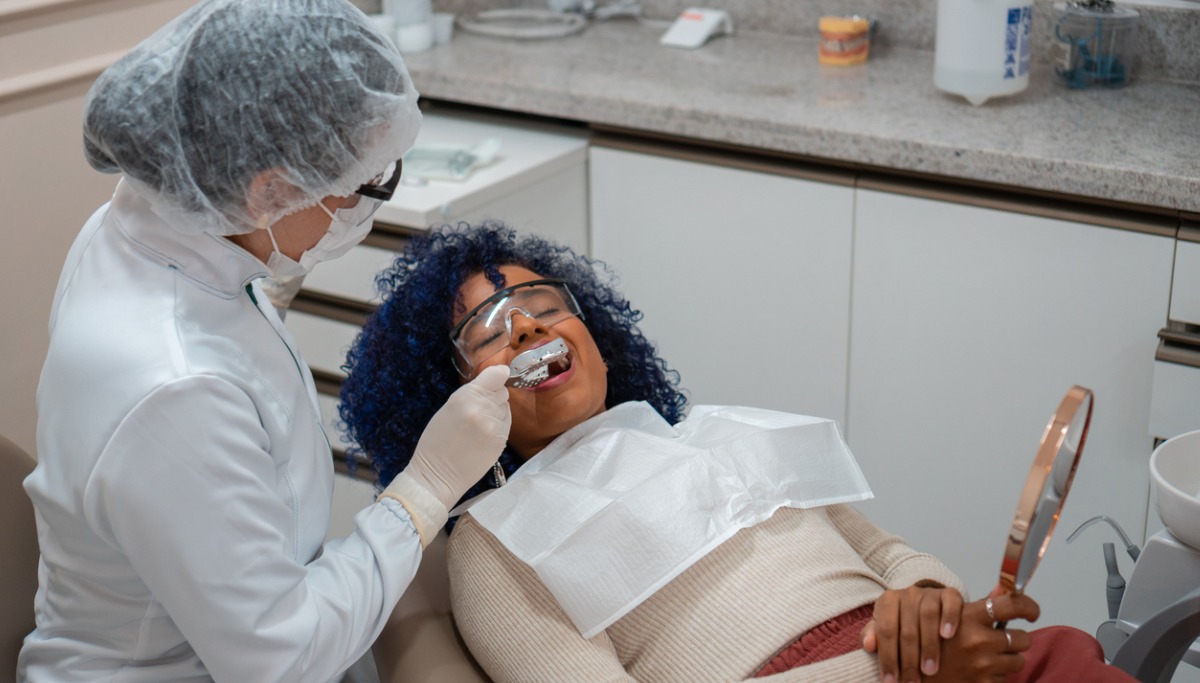
Your mouth shapes how you eat, speak, and feel each day. Small habits protect it or slowly damage it. General dentists see this truth every hour. They know most toothaches, infections, and tooth loss start with simple neglect. So they teach preventive habits early. You do not need special tools or complex routines. You need clear steps, steady effort, and honest guidance. A trusted dentist in Beaverton, OR can show you how to clean, protect, and watch your teeth so problems stay small. This blog explains six habits that general dentists want you to learn now, not when you are in pain. You will see how to brush with purpose, clean between teeth, use fluoride, protect your gums, watch your diet, and schedule regular visits. Each habit costs little. Each habit saves you time, money, and fear later.
1. Brush with purpose, not hurry
You brush every day. Yet many people still get cavities. The problem is not effort. The problem is a rushed effort.
Follow three simple rules.
- Brush twice a day
- Brush for two full minutes each time
- Brush every surface of every tooth
Use a soft brush. Hard bristles scrape gums and wear enamel. Aim the bristles at the gumline. Use small circles. Do not scrub back and forth. That motion leaves plaque behind and can cut into gums.
The American Dental Association explains proper brushing steps in clear detail. You can follow that guide and ask your dentist to watch your brushing method during a visit.
2. Clean between teeth every day
Toothbrush bristles cannot reach the tight spaces between teeth. Food sits there. Bacteria feed on that food and produce acid. That acid eats holes in enamel. It also irritates gums.
You stop this when you clean between teeth once a day. You can use:
- Traditional floss
- Floss picks
- Small interdental brushes
- Water flossers
Choose the tool that you will use each day. Perfection does not matter. Consistency matters. Clean between teeth before bed. That timing removes food and plaque that have built up during the day and gives your mouth a cleaner night.
Children can learn this early. Help them floss each night. Then let them try on their own as they grow. Habit set in childhood tends to last.
3. Use fluoride to strengthen enamel
Fluoride is a natural mineral. It binds to enamel and makes it tougher. That toughness helps teeth resist acid attacks. These attacks come from sugary food, starchy food, and drinks.
You can get fluoride in three common ways.
- Fluoride toothpaste
- Fluoride in community water
- Fluoride treatments at the dental office
The Centers for Disease Control and Prevention explain how community water fluoridation cuts cavities in children and adults. You can check if your local water supply contains fluoride and talk with your dentist about your family’s needs.
Use a pea-sized amount of fluoride toothpaste for adults and older children. For very young children, follow your dentist’s advice. Spit out the foam after brushing. Do not rinse with a large amount of water. A small amount of fluoride should stay on the teeth.
4. Protect your gums as much as your teeth
Gums hold teeth in place. When gums get inflamed, they pull away from teeth. That creates pockets where bacteria grow. Over time, bone can shrink. Teeth can loosen.
You protect gums when you:
- Brush along the gumline
- Clean between teeth daily
- Limit tobacco use
- Manage blood sugar if you have diabetes
Red, swollen, or bleeding gums are not normal. They are early warnings. They show that your body is fighting infection. Do not ignore that signal. Call your dentist and ask for an exam. Early gum disease is easier to reverse than late bone loss.
5. Watch what you eat and drink
Your teeth feel what you eat all day. Sugar and acid hit them first. Sticky snacks and frequent sipping keep acid levels high for long periods.
Use these three food rules.
- Limit sugary drinks like soda and sports drinks
- Keep sweets with meals instead of as constant snacks
- Drink water through the day
Water helps rinse food particles and acid. If your tap water has fluoride, it also strengthens enamel each time you drink.
Choose snacks that support teeth. Cheese, nuts, plain yogurt, and crunchy fruits or vegetables are good choices. They help your mouth produce saliva. Saliva is your natural defense. It washes teeth and brings minerals back to the enamel.
6. Keep regular dental visits
Many people wait until they feel pain. By that time, damage is often serious. Small problems turn into root canals, extractions, or infections.
Routine checkups catch problems while they are still small. Cleanings remove hardened plaque that you cannot remove at home. Exams and X-rays reveal hidden decay, gum changes, and early signs of other conditions.
Your dentist will suggest a visit schedule that fits your risk level. Many people do well with visits every six months. Some need three or four visits each year. Children and adults both benefit from this steady rhythm.
How daily habits compare to emergency care
Preventive habits feel simple. Yet they carry strong power. The table below compares steady home care plus routine visits with waiting for emergencies.
| Pattern | What it looks like | Common results | Typical cost and time |
|---|---|---|---|
| Strong prevention | Brushing twice a day, cleaning between teeth, fluoride use, checkups every 6 months | Fewer cavities, healthier gums, less pain, more natural teeth in older age | Short visits, lower yearly cost, fewer missed work or school days |
| Weak prevention | Occasional brushing, rare flossing, irregular dental visits | Frequent cavities, bleeding gums, bad breath, early tooth wear | More fillings and deep cleanings, higher costs over time |
| Emergency only | No routine care, visits only for pain or swelling | Extractions, infections, tooth loss, chewing and speech problems | Long urgent visits, very high costs, emotional stress |
Start with one habit today
You do not need to change everything at once. Start small.
- Tonight, brush for a full two minutes
- Add floss before bed
- Call your dentist and schedule the next checkup
Each simple step protects your comfort, your smile, and your confidence. Early habits spare you from future regret. Your dentist stands ready to guide you and your family through each step with clear, steady care.