Choosing the right flooring can feel confusing, especially when moisture is involved. Kitchens, bathrooms, and basements often deal with spills, humidity, and leaks. That’s why many homeowners ask: Can waterproof laminate flooring handle moisture better than vinyl or hardwood?
Today, brands like Pergo, Shaw Floors, and Mohawk offer modern flooring options designed to resist water. But each material works differently.
What Is Waterproof Laminate Flooring?
How waterproof laminate is made
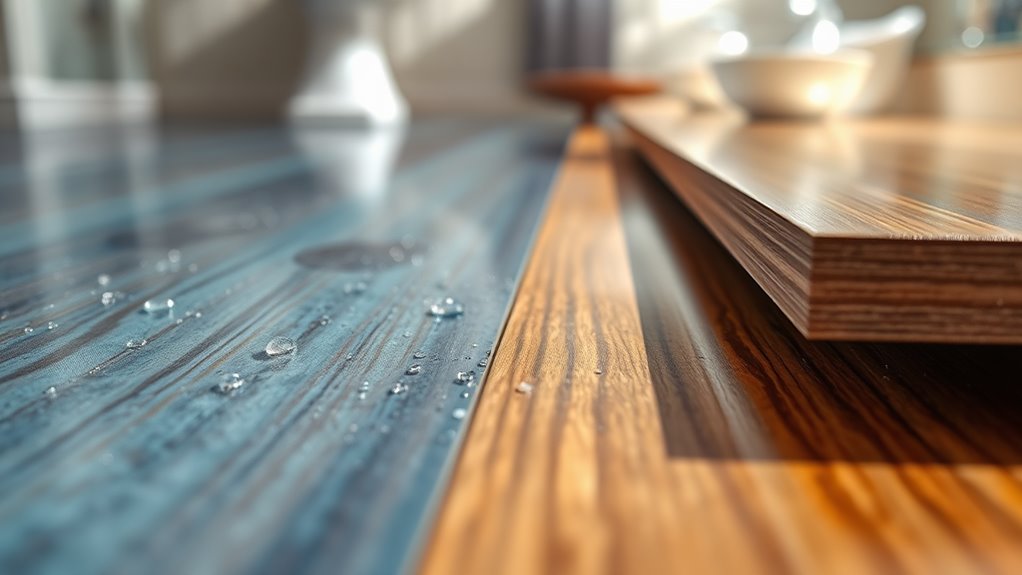
Waterproof laminate flooring is an upgraded version of regular laminate. It has a strong inner core, often made from high-density fiberboard (HDF), and a tough top layer that protects against spills.
Brands like Pergo and Mohawk use tight locking systems. These help stop water from slipping between planks.
Key moisture-resistant features
- Sealed edges to block water
- Strong wear layer for spills
- Click-lock design to reduce gaps
- Moisture-resistant core
This makes laminate a good choice for homes where small spills happen often.
How Does Vinyl Flooring Handle Moisture?
Why vinyl is considered waterproof
Luxury vinyl flooring (LVP or LVT) is known for being fully waterproof. It’s made from synthetic materials like PVC that do not absorb water at all.
Brands like COREtec and Shaw Floors offer vinyl products that can handle standing water without damage.
Strengths of vinyl in wet areas
- 100% waterproof core
- No swelling or warping
- Great for bathrooms and basements
- Easy to clean
Vinyl is often the safest choice for areas with lots of moisture.
How Does Hardwood React to Moisture?
Natural wood and water don’t mix
Hardwood flooring is made from real wood, which reacts to moisture. When exposed to water, wood can expand, shrink, or warp.
Even trusted brands like Bruce Hardwood Flooring cannot fully prevent this.
Common moisture problems
- Warping and buckling
- Gaps between planks
- Stains and discoloration
- Risk of mold
Hardwood looks beautiful, but it needs dry conditions to stay in good shape.
Waterproof Laminate vs Vinyl vs Hardwood: Moisture Comparison
Which flooring resists water best?
Here’s a simple breakdown:
Vinyl flooring
- Best water resistance
- Can handle standing water
- Ideal for wet rooms
Waterproof laminate flooring
- Handles spills well
- Better than regular laminate
- Not ideal for long water exposure
Hardwood flooring
- Poor water resistance
- Needs dry areas
Real-life performance in homes
In daily life, spills happen. A glass of water or pet accident is easy to clean on vinyl. Waterproof laminate can also handle it if cleaned quickly.
But with hardwood, even a small spill can cause damage if left too long.
Where Waterproof Laminate Performs Best
Ideal areas in the home
Waterproof laminate works well in:
- Kitchens
- Living rooms
- Hallways
- Entryways
It offers a wood-like look without as much risk.
Where it may not be the best choice
It may struggle in:
- Full bathrooms
- Laundry rooms with leaks
- Flood-prone basements
Vinyl is usually better in these spaces.
Key Advantages of Waterproof Laminate Flooring
Stylish and realistic designs
Laminate flooring closely replicates the look and texture of real hardwood, offering a natural wood appearance at a more affordable price. Brands like Pergo and Mohawk offer many textures and colors.
Comfortable feel
Laminate often feels warmer and softer than vinyl, making it comfortable for everyday use.
Strong and scratch-resistant
- Good for homes with pets
- Resists scratches better than hardwood
- Handles high foot traffic
Where Vinyl Still Wins
Full waterproof protection
Vinyl does not absorb water at all. It’s perfect for:
- Bathrooms
- Basements
- Laundry rooms
Even if water sits for hours, vinyl stays safe.
Easy maintenance
Vinyl is simple to clean. No special care is needed.
Great for humid areas
In humid climates, vinyl lasts longer than laminate or hardwood.
Why Hardwood Still Matters
Natural beauty and value
Hardwood flooring adds a classic look and can increase home value. Many people still prefer its natural feel.
Best for dry rooms
Hardwood works best in:
- Bedrooms
- Offices
- Dining rooms
With proper care and maintenance, it can last for decades without damaging.
Cost and Value Comparison
Upfront cost differences
- Vinyl: Affordable to mid-range
- Laminate: Budget-friendly
- Hardwood: Most expensive
Long-term value
- Vinyl: Great for wet areas
- Laminate: Good mix of price and durability
- Hardwood: High value but needs maintenance
Maintenance and Care
Cleaning needs
Vinyl flooring
- Sweep and mop
- Very low effort
Waterproof laminate flooring
- Damp mop only
- Clean spills quickly
Hardwood flooring
- Use special cleaners
- Avoid water
Lifespan
- Vinyl: 10–25 years
- Laminate: 10–20 years
- Hardwood: 30+ years with care
Final Verdict: Which Handles Moisture Best?
Simple answer
Waterproof laminate is much better than hardwood for moisture.
But it still does not beat vinyl.
Best choice by situation
- Choose vinyl for maximum water protection
- Choose waterproof laminate for balance of style and moisture resistance
- Choose hardwood for dry, elegant spaces
Conclusion
When comparing flooring types, moisture resistance is a big factor. Waterproof laminate flooring offers strong protection against everyday spills and is a clear upgrade over traditional laminate and hardwood. It works well in busy areas like kitchens and hallways.
However, vinyl flooring remains the top choice for full water protection. Its waterproof design makes it ideal for bathrooms, basements, and other high-moisture spaces.
In the end, your decision depends on your needs. If you want a mix of style, comfort, and durability, waterproof laminate is a great option. But for the highest level of moisture protection, vinyl flooring is still the winner.