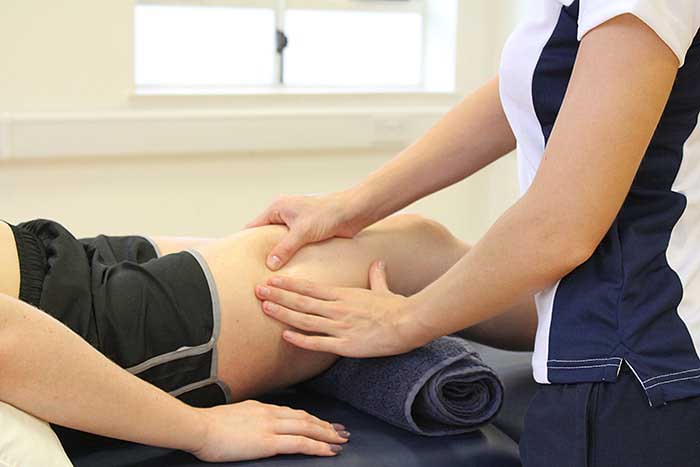
After an intense workout, your body needs time to recover..You may feel tight, sore, or stiff. This discomfort is often called Delayed Onset Muscle Soreness (DOMS). It usually shows up a day or two after exercise, especially when you try something new or push your limits.
While soreness is a normal part of building strength, too much of it can slow you down. That is why many people turn to massage therapy for muscle recovery. Methods like deep tissue massage, sports massage, and lymphatic drainage massage are widely used to reduce pain and help muscles heal faster.
This article explains how massage therapy works, why it helps with DOMS, and how it supports better recovery in a safe and natural way.
What Is Delayed Onset Muscle Soreness (DOMS)?
What Causes Muscle Soreness After Exercise
Delayed Onset Muscle Soreness (DOMS) happens when your muscles are stressed during activity. This often occurs during:
- Strength training
- High-intensity workouts
- New or unfamiliar exercises
During these activities, tiny changes happen inside muscle fibers. These small disruptions are part of the muscle-building process. As your body repairs them, your muscles grow stronger.
However, this process also causes soreness, stiffness, and mild inflammation.
Common Symptoms of DOMS
People with DOMS often notice:
- Muscle tightness or stiffness
- Tenderness when touched
- Swelling in certain areas
- Reduced flexibility or movement
These symptoms can make simple tasks like walking, bending, or lifting feel uncomfortable.
How Long DOMS Typically Lasts
DOMS usually begins within 12 to 24 hours after exercise. It often peaks around 48 hours and fades within 3 to 5 days.
With proper recovery techniques like massage therapy, this discomfort can be reduced, and recovery can feel smoother.
How Massage Therapy Helps Relieve DOMS
Reducing Muscle Tension and Stiffness
One of the key benefits of massage therapy is its ability to relieve muscle tension and promote relaxation.Techniques such as deep tissue massage apply controlled pressure to deeper layers of muscle.
This helps release built-up tension and makes muscles feel more flexible. As stiffness decreases, movement becomes easier and less painful.
Improving Blood Flow for Faster Recovery
Healthy circulation plays a key role in recovery. Massage therapy for muscle recovery helps increase blood flow to affected areas.
Improved circulation delivers oxygen and essential nutrients to the muscles..At the same time, it helps remove waste products that build up after exercise.
This process supports faster healing and reduces soreness.
Breaking Down Muscle Knots and Tight Areas
After intense activity, muscles can develop tight spots known as trigger points. These areas can cause discomfort and restrict movement.
Trigger point therapy, a form of manual therapy, targets these knots directly. By releasing tension in these spots, massage helps reduce pain and improve flexibility.
Muscle Recovery Through Improved Lymphatic Drainage
What Is Lymphatic Drainage Massage
Lymphatic drainage massage is a gentle and rhythmic technique. It focuses on moving lymph fluid through the body’s natural pathways.
The lymphatic system plays a key role in removing waste and supporting the immune system.
How It Helps Remove Waste and Toxins
During exercise, your body produces metabolic waste. If this waste builds up, it can contribute to soreness and fatigue.
Lymphatic drainage massage helps move this fluid out of tissues. This supports the body’s natural detox process and improves recovery.
Benefits for Reducing Swelling and Inflammation
Swelling is a common part of DOMS. By improving lymph flow, this type of massage reduces fluid buildup.
Less swelling means less pressure on muscles, which helps reduce pain and improve comfort.
Types of Massage Therapy for Muscle Recovery
Deep Tissue Massage for Muscle Repair
Deep tissue massage is a popular choice for recovery. It focuses on deeper muscle layers and connective tissue to relieve tension
This method is effective for:
- Chronic muscle tightness
- Post-workout soreness
- Breaking down scar tissue
It helps restore normal movement and improve muscle function.
Sports Massage for Athletes
Sports massage is designed for active individuals. It combines different techniques to support performance and recovery.
It can be used:
- Before exercise to prepare muscles
- After exercise to reduce soreness
- During training to prevent injuries
Athletes often rely on this type of massage to stay in top condition.
Light Massage for Relaxation and Recovery
Swedish massage uses gentle strokes to relax the body. It is less intense but still effective for improving circulation.
This type of massage is ideal for:
- Mild soreness
- Stress relief
- General relaxation
It supports recovery without applying deep pressure.
When Is the Best Time to Get a Massage for Muscle Recovery?
Before vs After Workouts
Massage can be helpful at different times.
- Before workouts → prepares muscles and improves flexibility
- After workouts → reduces soreness and supports healing
For DOMS, post-workout massage is especially beneficial.
How Often to Schedule Massage Sessions
The frequency of massage therapy depends on your activity level.
- Athletes → once or twice a week
- Regular exercisers → every two weeks
- Occasional activity → as needed
Consistent sessions help maintain muscle health.
Signs Your Body Needs Recovery Therapy
You may benefit from muscle recovery massage if you notice:
- Ongoing soreness
- Tight or stiff muscles
- Limited range of motion
- Fatigue after workouts
Listening to your body helps prevent injury and improves performance.
Additional Tips to Improve Muscle Recovery
Hydration and Nutrition
Water helps flush out waste from the body. Staying hydrated supports muscle function.
Eating nutrient-rich foods, especially those with protein, helps repair muscle tissue.
Stretching and Mobility Exercises
Stretching keeps muscles flexible and reduces stiffness. It also works well with massage therapy to improve recovery.
Rest and Sleep Importance
Rest is essential for healing. During sleep, your body repairs muscle fibers and restores energy.
Combining rest with massage therapy creates a strong recovery routine.
Common Mistakes to Avoid in Muscle Recovery
Ignoring Muscle Pain
Ignoring soreness can lead to bigger problems. It is important to address discomfort early.
Overtraining Without Recovery
Too much exercise without rest can worsen DOMS. Recovery should be part of every fitness plan.
Choosing the Wrong Type of Massage
Not all massage techniques are the same. Choosing the right type ensures better results and avoids discomfort.
Conclusion: A Smarter Approach to Muscle Recovery
Massage therapy for muscle recovery is more than just a way to relax. It is a practical and effective method for managing Delayed Onset Muscle Soreness (DOMS) and improving overall muscle health.
By improving circulation, reducing tension, and supporting lymphatic drainage, massage helps your body recover faster and feel better. Techniques like deep tissue massage, sports massage, and Swedish massage each offer unique benefits.
When combined with proper hydration, nutrition, stretching, and rest, massage therapy becomes a powerful part of any recovery plan.
Taking care of your muscles is essential for long-term performance and well-being. With the right approach, you can recover faster, move better, and stay active without unnecessary pain.