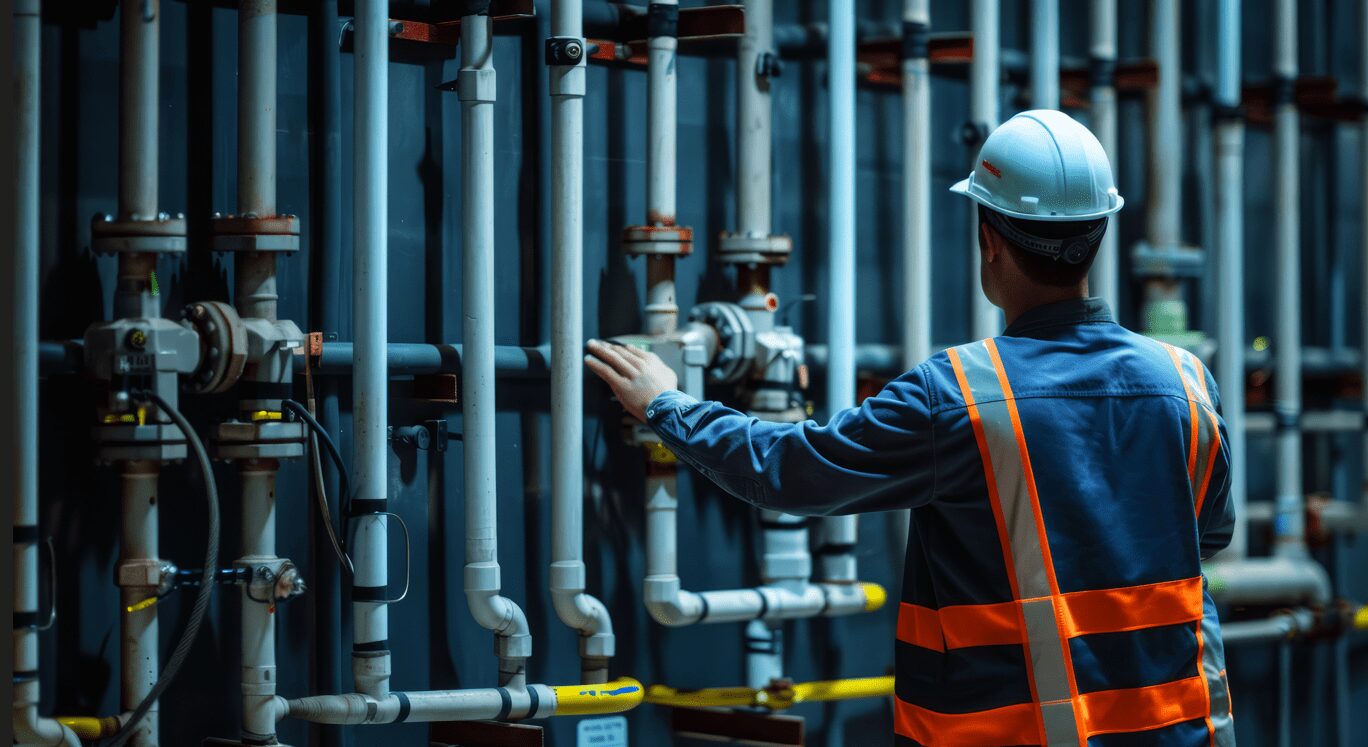
Modern commercial buildings depend on complex mechanical systems to function smoothly every day. Offices, hospitals, warehouses, shopping centers, and factories all require reliable infrastructure to support heating, cooling, water supply, and energy systems. One of the most important parts of this infrastructure is the Industrial Piping System.
An Industrial Piping System is a network of pipes that carries liquids, gases, and other materials throughout a building. These systems are designed and installed by professionals such as Mechanical Contractors, Mechanical Engineers, and specialists in Commercial Construction. Without these piping networks, many building systems could not operate properly.
In commercial facilities, piping systems support equipment such as HVAC Systems, Boilers, Cooling Towers, and Water Distribution Systems. They also play a key role in Ventilation and Air Distribution Systems, ensuring that heating and cooling systems function efficiently.
Because these systems handle essential operations, they must be carefully designed and maintained. Proper piping infrastructure improves safety, efficiency, and long-term building performance. Understanding the role of Industrial Piping Systems can help building owners and facility managers appreciate how critical these systems are for modern commercial spaces.
Understanding Mechanical Systems in Commercial Buildings
Commercial buildings rely on multiple mechanical systems working together. These systems control air flow, water movement, heating, cooling, and energy distribution.
What Does a Mechanical Contractor Do?
A Mechanical Contractor is responsible for installing and maintaining mechanical systems inside commercial buildings. These professionals work closely with Mechanical Engineers, Architects, and Construction Managers to design systems that support building operations.
Their responsibilities often include:
- Installing Industrial Piping Systems
- Setting up HVAC Systems
- Connecting Heating and Cooling Equipment
- Managing Ventilation and Air Distribution Systems
Mechanical contractors help ensure that piping systems are properly sized, installed, and tested. This work is essential because poorly designed piping can reduce system efficiency or lead to costly repairs.
Why Mechanical Systems Are Important for Modern Buildings
Modern buildings must maintain comfortable indoor environments while also meeting energy efficiency standards. Mechanical systems help regulate temperature, humidity, airflow, and water distribution throughout a building.
For example, HVAC Systems regulate indoor temperature so employees, customers, and visitors remain comfortable. At the same time, Ventilation Systems circulate fresh air throughout the building.
These systems rely heavily on well-designed Industrial Piping Infrastructure. Without pipes to carry water, refrigerant, and other fluids, mechanical equipment would not function properly.
Key Components of Building Mechanical Infrastructure
The Building Mechanical Infrastructure includes several important systems working together.
These typically include:
- Industrial Piping Systems
- Ventilation and Air Distribution Systems
- Heating and Cooling Equipment
- Water Supply Systems
- Building Automation Systems
Together, these components allow commercial buildings to operate safely and efficiently. Each system relies on durable piping networks to transport fluids and maintain stable operations.
The Role of Ventilation and Air Distribution Systems
Air circulation is a critical part of any commercial building. Proper airflow helps maintain indoor comfort and supports a healthy environment for building occupants.
How Proper Ventilation Supports Indoor Air Quality
Good ventilation improves Indoor Air Quality, which is essential for the health and productivity of people inside the building. Fresh air helps remove pollutants, dust, and humidity.
Systems such as Commercial HVAC Systems and Mechanical Ventilation Systems circulate clean air throughout the building.
Industrial piping supports these systems by carrying chilled water, hot water, or refrigerant to equipment like Air Handling Units and Cooling Towers.
Air Distribution Systems in Office and Commercial Spaces
In office buildings and retail centers, Air Distribution Systems deliver conditioned air to different areas of the building. These systems rely on equipment such as:
- Air Handling Units (AHUs)
- Chillers
- Boilers
- Ductwork Networks
Piping systems connect these components and transport the fluids needed to heat or cool the air. For example, chilled water piping helps move cooled water from a Chiller System to air handlers.
Without reliable piping networks, these systems would struggle to maintain consistent indoor temperatures.
Energy Efficiency and HVAC Performance
Energy efficiency has become a major priority in modern commercial construction. Efficient mechanical systems reduce operating costs and support environmental sustainability.
Well-designed Industrial Piping Systems improve the performance of Energy-Efficient HVAC Systems by reducing pressure loss and ensuring proper fluid flow.
Mechanical engineers often follow standards developed by organizations like ASHRAE (American Society of Heating, Refrigerating and Air-Conditioning Engineers) when designing these systems. These guidelines help improve efficiency and safety in commercial facilities.
Industrial Piping Systems in Commercial Facilities
Industrial piping systems are the backbone of many mechanical operations inside commercial buildings.
Types of Piping Systems Used in Commercial Buildings
Different types of piping systems are used depending on the building’s needs.
Common examples include:
- Chilled Water Piping Systems
- Hot Water Heating Systems
- Steam Piping Systems
- Natural Gas Piping Systems
- Domestic Water Distribution Systems
Each of these piping networks carries different materials that support building operations.
For example, chilled water piping circulates cooled water through the building to support air conditioning systems. Steam piping may be used in large facilities such as hospitals or manufacturing plants.
How Piping Supports Heating, Cooling, and Water Systems
Many building systems rely on fluid movement. Pipes allow water, refrigerant, and other materials to travel between mechanical equipment.
For instance:
- Boiler Systems heat water that flows through piping to warm different parts of the building.
- Chiller Systems cool water that travels through pipes to air handlers.
- Water Distribution Systems deliver clean water to restrooms, kitchens, and equipment.
Without reliable piping systems, these mechanical systems would not be able to perform their functions effectively.
Safety and Maintenance of Industrial Piping
Because piping systems carry pressurized fluids, safety and maintenance are extremely important. Engineers and contractors must ensure that pipes are installed correctly and inspected regularly.
Materials used for industrial piping often include:
- Carbon Steel
- Stainless Steel
- Copper Piping
- PVC and CPVC Pipes
Regular maintenance helps detect leaks, corrosion, or pressure issues before they cause serious problems.
Many large commercial facilities also use Building Automation Systems (BAS) to monitor piping performance and mechanical system operation.
How Mechanical Contractors Support Commercial Construction
Mechanical contractors play a major role in ensuring that industrial piping systems function properly in commercial buildings.
Planning Mechanical Infrastructure During Building Design
The planning stage of construction is when engineers determine how piping systems will be installed throughout the building.
Professionals in Mechanical Engineering analyze factors such as:
- Building size
- Energy requirements
- HVAC system design
- Equipment placement
These decisions help determine the layout of the piping system and ensure efficient operation.
Installing HVAC and Mechanical Systems
Once construction begins, mechanical contractors for commercial buildings install the piping networks that connect mechanical equipment.
This work includes:
- Fabricating pipe sections
- Welding and joining pipe materials
- Installing valves and pressure controls
- Testing fluid flow and pressure
Proper installation ensures that systems operate safely and meet industry standards.
Coordinating With Architects and Engineers
Commercial construction projects involve multiple teams working together. Mechanical contractors coordinate with Architects, Structural Engineers, and Electrical Contractors to ensure that piping systems fit within the building design.
This collaboration helps prevent installation conflicts and ensures efficient system integration.
Long-Term Benefits of Professional Mechanical Systems
High-quality industrial piping systems provide many long-term advantages for commercial buildings.
Improved Energy Efficiency
Efficient piping systems help reduce energy consumption by supporting proper fluid flow and reducing system strain.
Energy-efficient mechanical systems can lower operating costs and improve building sustainability.
Better Indoor Comfort and Airflow
Properly functioning HVAC Systems rely on piping to deliver heating and cooling throughout the building.
Reliable piping helps maintain consistent indoor temperatures and improves comfort for building occupants.
Reliable Building Operations
Commercial facilities depend on mechanical systems to function daily. Durable piping infrastructure helps prevent system failures and supports reliable operations.
Regular inspections and maintenance also extend the lifespan of mechanical equipment and piping networks.
Conclusion: The Importance of Industrial Piping Systems in Commercial Buildings
Industrial piping systems are a vital part of modern commercial facilities. These systems support essential operations such as heating, cooling, water distribution, and ventilation.
Professionals in Mechanical Engineering, Commercial Construction, and HVAC System Design rely on properly installed piping networks to keep buildings running efficiently. From Chilled Water Systems to Natural Gas Piping, these networks help transport critical materials throughout the building.
When designed and installed correctly, Industrial Piping Systems improve energy efficiency, enhance indoor comfort, and support long-term building performance.
As commercial buildings continue to grow in complexity, the role of well-planned mechanical infrastructure will remain essential for safe and efficient facility operations.