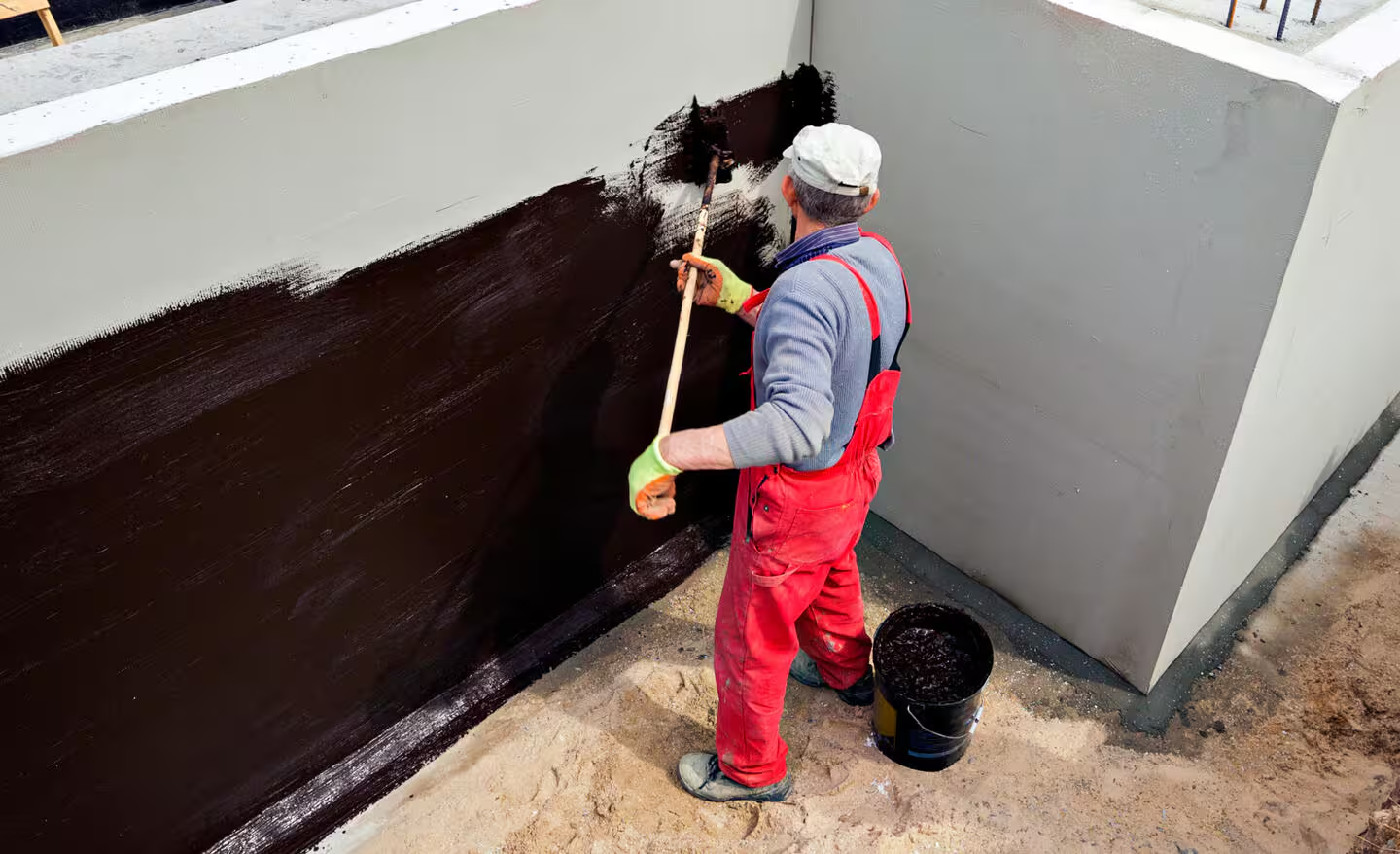
There are countless issues that arise if you ignore the precautionary measure of waterproofing. Some of these include the corrosion and spalling of concrete, mold infestations, cracks and leakages, and rusting.
Simply relying on your PVC pipes to contain water in your systems is like tying a camel with a thread—it is something, but it is not enough. This is why concrete waterproofing systems are essential in modern construction, hence this extensive guide on how you can best avoid the menace of moisture on your site.
Types of Waterproofing
Each project is likely to be vulnerable to different scales of moisture, and thus it is important to know and differentiate between the two common types of waterproofing:
- Acrylic Waterproofing
Acrylic waterproofing is one of the most preferred methods of surface protection in the current industry. The process entails the application of a flexible liquid coating directly to the concrete surface.
After complete curing, the coating creates a vigilant barrier that protects the concrete surface from being constantly exposed to water. The water-based property of acrylics makes it easy to apply using common application equipment such as rollers or spray guns, making them a feasible choice for projects that have tight construction timelines.
One of the primary benefits of acrylic coatings is that they possess a large degree of flexibility and have ultraviolet resistance perfect to hold out the Dubai sun and are therefore perfect for the outdoors. This acralic waterproofing is most commonly used on terraces, balconies, verandas, and outer structures in homes and other buildings.
- Cementitious Waterproofing: Best for the Underbellies of Sites
Cementitious waterproofing is a coagulation of the proofing system with what it protects, which is achieved through a combination of cementitious materials and active waterproofing agents.
This technique is often preferred for concrete structures such as basements, lift pits, tunnels, and water storage tanks where water is constantly present. It is also ideal for structures holding potable water since it is non-toxic. It has a thermal expansion rate similar to concrete, allowing it to move in tandem with the concrete structure and minimize stresses. The technique is relatively cheap and easy to apply, although it is less flexible than elastomeric coatings and requires more complex joint details.
Why Installation and Maintenance are Primary Undertakings
The effectiveness of the waterproofing system depends on proper surface preparation and installation, which is why due diligence on this front should not be compromised. The surface should be free from dust, grease, and loose debris, and preemptive repairs should be done. Some waterproofing materials may need a primer coat to improve bonding power.
The next important thing on your waterproofing radar should be inspections. Not sure where to look first? The perfect seepage points for water and moisture are joints, penetrations, and edges, which is where you must be even more careful and exacting. A truly smart move that makes all the difference in your waterproofing efficacy is to follow the manufacturer’s instructions for installation, as the proportions and curing times are critical.
Futuristic Waterproofing Technology
The waterproofing industry is still moving forward. Modern materials have shown improved abilities in crack bridging. There is a growing trend towards materials with lower environmental impact. Application techniques have become more efficient.
Hybrid materials are on the rise, combining crystalline materials with surface membranes for superior protection. These materials have proved particularly effective in harsh conditions.
Polymer materials have overtaken the market because they are extremely effective in waterproofing projects; hence, investment in these should be on your list for your next waterproofing project.
Conclusion: Better Safe than Sorry
Water remains one of the top threats to concrete structures, ruining hundreds of thousands of dollars worth of investments in one go. The right material is dependent on structural design, exposure, and performance requirements, and hypervigilance is required by any site manager or overseer to ensure no seepage. Because whatever project you undertake in Dubai will be subject to harsh environmental factors, having an effective strategy as to waterproofing is essential.
From surface coatings like acrylic waterproofing to internal materials like cementatious waterproofing modern materials offer effective protection against water entry. Proper planning, installation, and maintenance are necessary to ensure concrete waterproofing materials are functioning as expected, which directly prevents harm to other systems, including electricity and heating, and prevents you from breaking the bank over every couple months.