Last Updated on March 13, 2026 by Abdul Basit
Many drivers delay car servicing when their vehicle appears to be running smoothly. It can feel like a practical way to save money or avoid the inconvenience of booking a garage appointment. However, skipping routine maintenance often leads to much higher expenses later.
(car mechanic performing routine vehicle servicing)
Regular servicing is not just a routine checklist. It protects engine performance, improves safety, reduces breakdown risks, and helps prevent expensive repairs. Understanding the long-term cost of neglected maintenance can help drivers make smarter decisions about caring for their vehicles.
In this guide, you will learn why skipping car servicing can become costly, the financial and safety risks involved, and how preventive maintenance helps drivers avoid major mechanical problems.
What Is a Car Service?
A car service is scheduled maintenance carried out by trained technicians to keep a vehicle running safely and efficiently. During a service, mechanics inspect key systems, replace worn components, and ensure everything operates correctly.
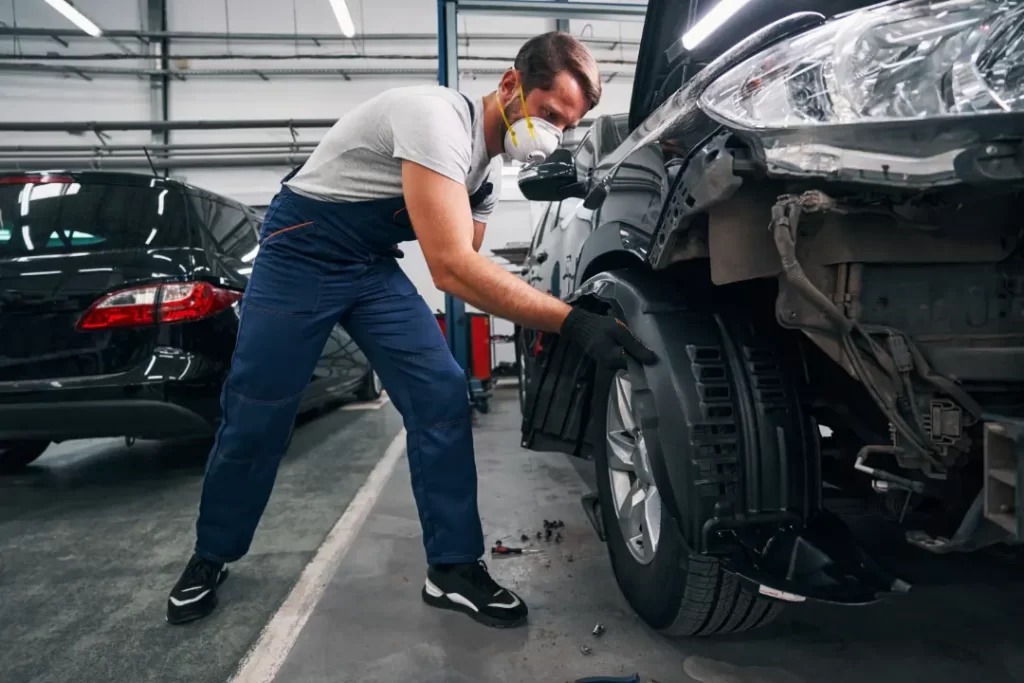
(mechanic checking vehicle components during service)
Typical servicing tasks include:
- Engine oil and filter replacement
- Brake inspection
- Suspension checks
- Fluid level checks and top ups
- Tyre inspection and pressure check
- Battery condition testing
- Inspection of safety systems
These inspections allow technicians to detect small problems early before they develop into major mechanical failures.
Why Many Drivers Skip Car Servicing
Skipping vehicle maintenance is more common than many realise:
- Around 25 percent of UK drivers skip their annual car service due to financial concerns
- Drivers aged 24 to 34 are most likely to delay servicing
- More than 50 percent of drivers continue driving after warning lights appear
- Nearly 1 in 4 drivers ignore dashboard warning alerts linked to serious mechanical issues
These trends show many drivers risk larger repair costs by delaying essential maintenance.
The Myth of Saving Money by Skipping a Service
Skipping a service may save money today, but it often leads to higher running costs and expensive repairs.
Poor Fuel Efficiency
Old oil, clogged filters, and worn components make engines work harder. Poorly maintained cars can use 10 to 20 percent more fuel, increasing monthly fuel expenses.
Faster Wear and Tear
Without routine inspections, brakes, tyres, belts, and fluid systems deteriorate faster than expected.
Higher Breakdown Risk
Minor issues like worn brake pads or low coolant can escalate into breakdowns. Emergency callouts, towing, and urgent repairs cost far more than scheduled servicing.
Warranty Risks
Many manufacturers require regular servicing to maintain warranty coverage. Missing service intervals can void warranties, leaving owners to cover full repair costs.
Cost Comparison: Servicing vs Major Repairs
This table shows how quickly repair bills can exceed routine service costs.
| Type of Work | Typical Service Cost | Potential Cost If Skipped |
| Annual basic service | £100 to £250 | — |
| Engine oil change | £50 to £130 | Engine rebuild £2,000+ |
| Spark plugs and filters | £60 to £140 | Engine misfire repair £500+ |
| Brake inspection | £30 to £70 | Brake pads and discs £400 to £800 |
| Transmission fluid service | £80 to £150 | Gearbox repair £1,500 to £3,000 |
| Cooling system check | £50 to £120 | Overheating repair £600 to £2,000 |
Routine maintenance costs are small compared to emergency mechanical repairs.
How Small Problems Turn Into Expensive Repairs
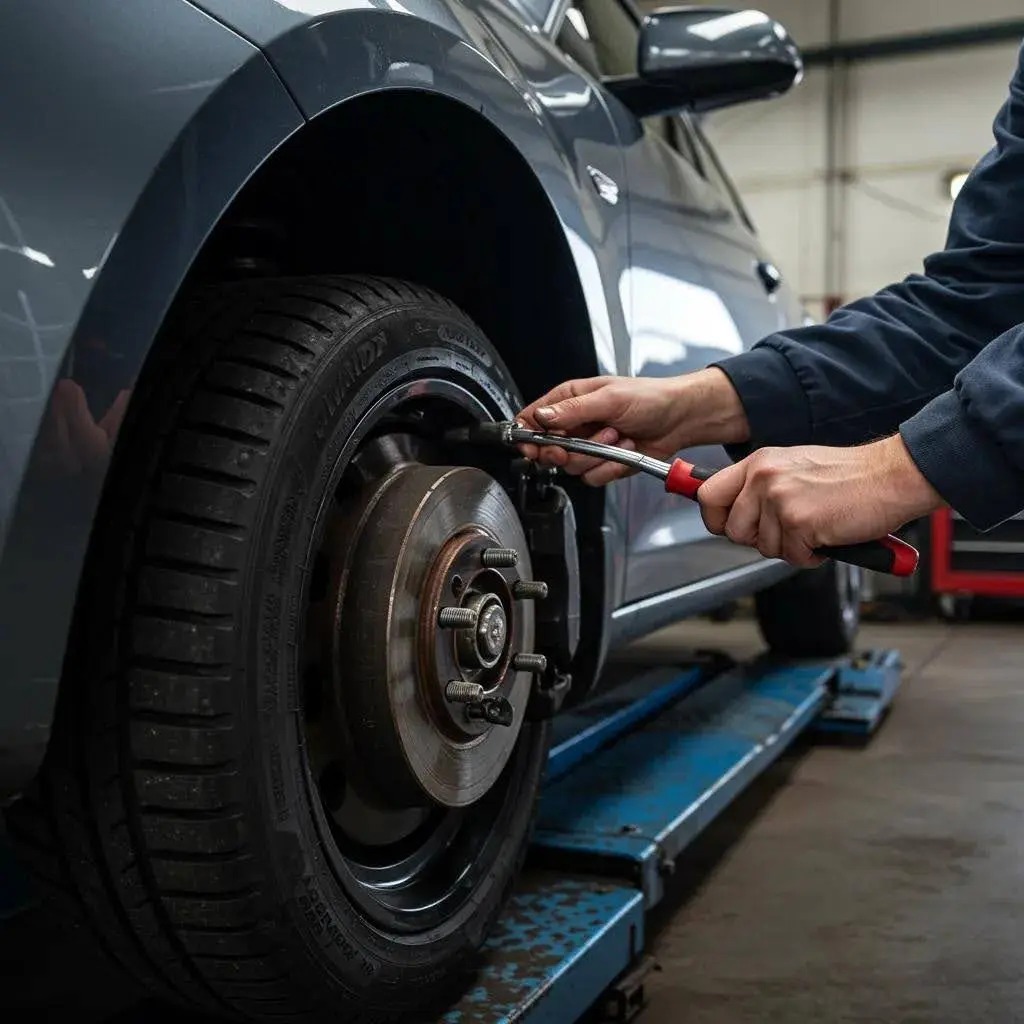
(worn brake pads during vehicle repair inspection)
Regular servicing helps technicians catch early warning signs such as:
- Dirty or degraded engine oil
- Loose belts and worn hoses
- Brake wear
- Old or contaminated fluids
- Early component fatigue
Ignoring these minor issues can cause serious damage.
Engine Damage
Old engine oil loses lubrication quality. Metal parts grind together, leading to overheating and internal engine wear. Engine rebuilds are among the most expensive automotive repairs.
Transmission Failure
Transmission fluid breaks down over time. Without replacement, gears slip and internal damage occurs, often requiring full gearbox replacement.
Brake System Damage
Worn brake pads damage discs and calipers if not replaced promptly. What could have been a small repair becomes a costly brake system overhaul.
Tyre and Suspension Wear
Skipping alignment and suspension checks leads to uneven tyre wear and shock absorber damage, increasing replacement costs.
Safety Risks of Delaying Vehicle Maintenance
Skipping servicing does not only affect finances. It can also compromise road safety.
(car dashboard warning light indicating vehicle problem)
Potential safety risks include:
- Brake failure increases accident risk
- Worn tyres reduce grip in wet weather
- Engine overheating can leave drivers stranded
- Ignored warning lights hide serious faults
Routine servicing includes safety checks that reduce these risks and keep vehicles roadworthy.
For motorists in Fleet, Hampshire who want to stay ahead of these problems, it is easy to find TJ Services on Google Maps and locate a trusted local garage for routine inspections and preventive maintenance. Visiting a professional workshop before small issues escalate can save drivers significant time, money, and stress.
How Skipping Servicing Affects Resale Value
A complete service history is one of the most important factors buyers consider when purchasing a used car.
Vehicles with documented maintenance records:
- Sell faster
- Command higher resale prices
- Inspire greater buyer confidence
Cars with missing or inconsistent service history often lose significant value because buyers worry about hidden mechanical issues.
Environmental and Efficiency Impact
Well maintained vehicles produce fewer emissions. Dirty filters and worn engine parts increase fuel consumption and pollution.
Poorly serviced cars are also more likely to fail emissions testing, leading to additional repair and retest costs.
Why Professional Car Servicing Matters
Professional servicing helps turn routine maintenance into a long-term investment in your vehicle’s reliability and safety. Skilled technicians use specialised tools and diagnostics to identify potential issues before they become major repairs.
Comprehensive inspections typically include checks of critical components such as the engine, braking system, suspension, tyres, and fluid levels. These checks help ensure the vehicle continues to operate efficiently and safely.
Preventive maintenance tasks such as oil changes, filter replacements, and fluid servicing play a key role in protecting the engine and reducing the risk of unexpected breakdowns.
(vehicle servicing completed by professional mechanic)
Advanced diagnostics also allow technicians to detect small mechanical issues early. Addressing minor faults promptly can prevent them from developing into costly repairs later.
In addition, structured maintenance schedules based on vehicle mileage, driving habits, and manufacturer recommendations help keep vehicles performing at their best.
For drivers in areas such as Fleet, Hampshire, professional vehicle servicing at TJ Services helps identify issues early and prevent costly repairs.
Maintaining accurate service records also improves resale value and ensures vehicles remain compliant with manufacturer warranty requirements.
When Should You Service Your Car?
General servicing guidelines include:
- Basic service every 6 to 12 months
- Oil and filter change every 5,000 to 10,000 km
- Full inspection at each scheduled service
Always follow your manufacturer’s recommended schedule.
Final Thoughts
Skipping a car service may seem like saving money, but it often results in higher fuel expenses, expensive repairs, safety risks, and lower resale value.
Routine maintenance helps detect problems early, improve vehicle efficiency, and extend the lifespan of important components. By staying consistent with servicing schedules and addressing small issues promptly, drivers can avoid major repair bills and keep their vehicles reliable for years to come.
FAQs
How often should a car be serviced?
Most vehicles should be serviced every 6 to 12 months or according to the manufacturer’s mileage recommendation. Regular servicing helps maintain engine performance and prevents costly mechanical issues.
What happens if you skip a car service?
Skipping a car service can lead to reduced fuel efficiency, increased engine wear, higher repair costs, and potential safety risks. Minor problems may develop into major mechanical failures if they are not detected early.
Can skipping a service affect your car warranty?
Yes. Many manufacturers require regular servicing to maintain warranty coverage. Missing scheduled services may void the warranty and leave you responsible for repair costs.
Does regular car servicing improve fuel efficiency?
Yes. Replacing engine oil, filters, and worn components helps the engine run more efficiently, which can improve fuel economy and reduce emissions.
What are the signs your car needs servicing?
Common signs include warning lights on the dashboard, unusual engine noises, reduced fuel efficiency, difficulty starting the car, or vibrations while driving.