You want your child to grow strong, confident, and pain free. That starts in the mouth. Many parents wait for the first cavity before they worry about teeth. That delay often leads to avoidable pain, missed school, and high bills. Early preventive dentistry protects more than a smile. It also supports speech, nutrition, and self respect. A Riverside dentist sees the same pattern again and again. Small problems grow fast when no one is watching. Early visits help your child feel safe in the chair. They also help you learn simple daily habits that stop decay before it starts. Regular cleanings, sealants, and fluoride give teeth a shield. Calm checkups catch crowding and bite problems before they hurt. You do not need to wait for adult teeth or pain. You can start protection now and give your child a strong base for life.
Baby Teeth Matter More Than You Hear
Some parents think baby teeth do not count. The teeth will fall out, so they feel safe to wait. That belief causes real harm.
Baby teeth help your child:
- Chew food and gain strength
- Form clear words and sounds
- Hold space for adult teeth
When baby teeth rot or fall out early, nearby teeth slide into the gap. Later, adult teeth come in crooked. Treatment then takes more time and money. Early care keeps the mouth steady and calm.
Why “Too Early” Is Often Just Right
The American Academy of Pediatric Dentistry advises a first visit by the first birthday or within six months of the first tooth.
Three clear reasons support this early start.
First, early visits spot risk. The dentist can see weak enamel, dry mouth, or early white spots. These small signs come long before a hole in the tooth.
Second, early visits shape behavior. Your child learns that the office is a safe place. The chair, light, and tools become normal. Fear has less room to grow.
Third, early visits guide you. You learn how much toothpaste to use, how to clean tiny teeth, and what drinks to limit. You gain clear rules that remove guesswork.
What Happens At Early Preventive Visits
An early visit is simple and calm. It often includes three parts.
- Short exam of teeth, gums, and bite
- Gentle cleaning if needed
- Talk about food, brushing, and fluoride
The dentist may place fluoride on the teeth. Fluoride makes enamel hard and more able to resist acid. The dentist may also suggest sealants on back teeth when they appear. Sealants cover deep grooves that trap food.
You can ask about pacifiers, thumb sucking, and bottle use. You can also ask about tap water and fluoride. Many homes use bottled water. Some of these products do not contain fluoride, so teeth lose steady support.
How Early Care Saves Money And Pain
Tooth decay is common in children. It is one of the most common chronic conditions. Yet it is also preventable. Data from the National Institute of Dental and Craniofacial Research show that decay rises with age when prevention is weak.
The table below gives a simple picture of care that starts early and care that starts late.
| Start of preventive care | Common results by age 6 | Common costs and impact |
|---|---|---|
| By age 1 | Fewer cavitiesMild cleaningsStable baby teeth | Lower dental billsFewer missed school daysShorter visits |
| After first cavity | Multiple cavitiesFillings or crownsPossible infections | Higher treatment costsTime off work and schoolFear of dental visits |
Routine care is more effective after treatment. Still, starting before decay gives you more control. It also keeps your child from linking the dentist with pain.
Daily Habits That Protect Tiny Teeth
Home care still does most of the work. Simple habits each day carry huge weight.
- Wipe gums with a clean cloth before the first tooth appears
- Brush twice each day as soon as the first tooth appears
- Use a smear of fluoride toothpaste for children under three
- Use a pea-sized amount of fluoride toothpaste for children three and older
- Help with brushing until at least age seven or eight
- Offer water between meals instead of juice or soda
- Limit sticky snacks like fruit snacks and candy
Each step is small. Together, they cut decay risk and support strong growth.
Helping Anxious Children Feel Safe
Fear can stop families from booking a first visit. That fear is common. It can still be handled.
You can take three clear steps.
- Use simple words and avoid scary details
- Read a short story about dental visits before the appointment
- Bring a toy or comfort item for your child to hold
Early visits build trust. When the first visit is quick and pain-free, your child learns that the office is a safe place. Later treatments then feel less heavy.
When To Call A Dentist Right Away
Regular visits once or twice each year work for most children. Some signs mean you should call sooner.
- White or brown spots on teeth
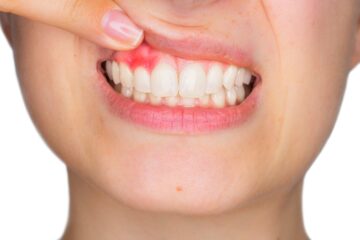
- Red or swollen gums
- Bad breath that does not clear after brushing
- Pain when chewing or drinking
- Teeth grinding with jaw pain
Early calls turn emergencies into routine visits. You protect your child from long nights of pain and urgent visits.
Start Sooner Than You Planned
You do not need perfect knowledge to begin. You only need a first step. Call a dentist once the first tooth appears or by the first birthday. Ask clear questions. Share your worries. Then follow a simple plan for visits and home care.
Each early choice guards your child from pain, fear, and high costs. Early preventive dentistry does not just protect teeth. It also protects speech, learning, and self-respect. You give your child a strong base for the rest of their life.