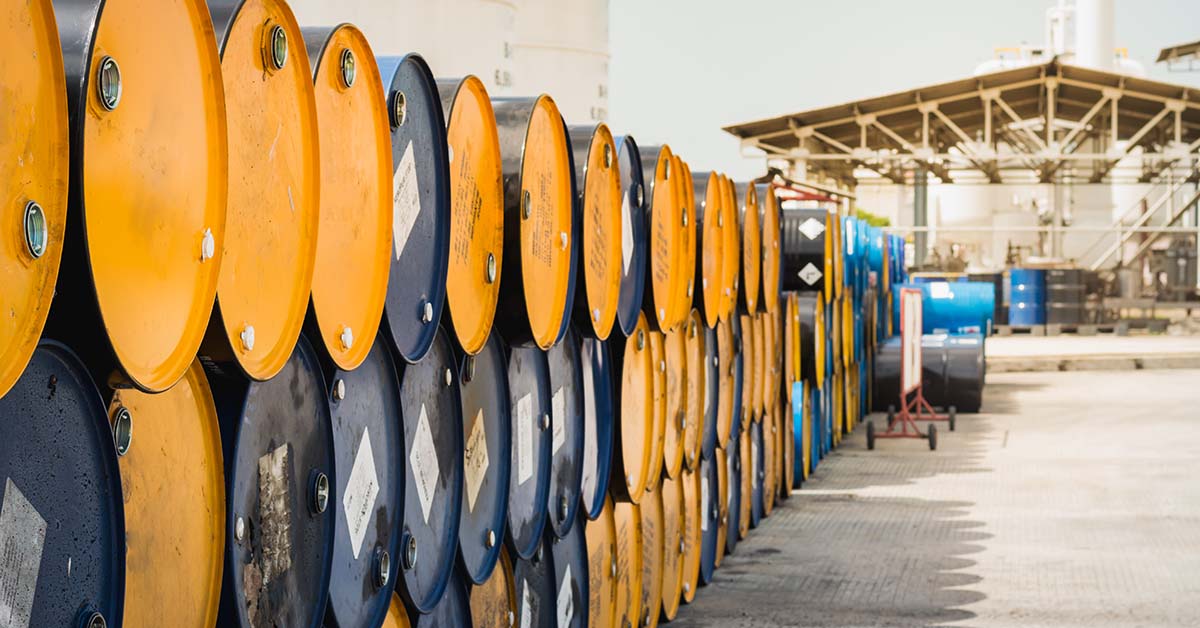
Why is compliance with EPA used oil management regulations essential for modern industrial and automotive facilities
Last Updated on March 1, 2026 by Dwyane
Used oil is a normal part of daily work in many industries. It comes from engines, machines, hydraulic systems, and heavy equipment. Modern Industrial Facilities and Automotive Facilities produce large amounts of used oil every year. If it is not handled the right way, it can harm soil, water, and air.
That is why compliance with EPA Used Oil Management Standards is so important. The Environmental Protection Agency created clear rules under the Resource Conservation and Recovery Act to control how used oil is stored, labeled, transported, recycled, and disposed of. These regulations protect people, businesses, and the environment.
Following EPA used oil regulations is not just about avoiding fines. It supports environmental safety, workplace protection, and long term sustainability. For modern facilities, compliance is essential to responsible operations and public trust.
RELATED: Jipinfeiche: Premium Shopping, Cars & Racing Explained
What are EPA used oil management regulations?
What the EPA defines as used oil
The Environmental Protection Agency defines used oil as any petroleum based or synthetic oil that has been used and is contaminated by physical or chemical impurities. This includes engine oil, transmission fluid, hydraulic oil, and lubricants.
Used oil is not automatically hazardous waste. However, it must be managed properly under EPA Used Oil Management Standards. If handled incorrectly, it can become hazardous and trigger stricter regulations.
Understanding this definition helps facilities know what materials fall under federal rules. Clear knowledge reduces mistakes and improves compliance.
Key requirements under federal regulations
The EPA Used Oil Management Standards set clear rules for storage, labeling, spill control, transportation, and recycling. Containers and tanks must be in good condition. They must be labeled clearly with the words Used Oil.
Facilities must prevent leaks and spills. If a spill happens, it must be cleaned up right away. Used oil cannot be mixed with hazardous waste unless managed under hazardous waste rules.
Transporters must have an EPA Identification Number. Recycling and disposal must follow approved methods. These requirements create a structured system that protects the environment.
Federal and state compliance responsibilities
While the EPA sets federal rules, many states have additional requirements. Facilities must follow both federal and state regulations. This means managers must stay informed about local laws.
Failure to comply can lead to inspections, penalties, and enforcement actions. Staying compliant shows responsibility and professionalism.
Why compliance protects the environment
Preventing soil and water contamination
Used oil can cause serious environmental damage. Just one gallon of oil can contaminate large amounts of water. If spilled on soil, it can harm plants and wildlife.
By following EPA Standards, facilities reduce the risk of leaks and spills. Proper storage in secure containers prevents contamination. Clear labeling ensures workers handle oil correctly.
Environmental protection is not optional. It is a duty for every facility handling used oil.
Supporting safe recycling practices
Used oil can be recycled and refined into new products. Recycling reduces waste and conserves natural resources. The EPA encourages proper recycling through clear guidelines.
When facilities follow regulations, they ensure used oil is sent to approved recyclers. This supports a circular economy and reduces environmental impact.
Responsible recycling also lowers disposal costs and improves sustainability goals.
Reducing air pollution risks
Burning used oil improperly can release harmful pollutants. The EPA sets standards for used oil burners to control emissions. Only approved facilities can burn used oil for energy recovery.
Compliance ensures that emissions are managed safely. This protects air quality and public health.
Why compliance protects businesses
Avoiding regulatory fines and penalties
Non compliance with EPA Used Oil Regulations can lead to heavy fines. Inspections by environmental agencies can uncover violations. Penalties may include financial fines, corrective orders, and legal action.
Modern industrial and automotive facilities cannot afford these risks. Compliance protects the company from costly enforcement actions.
Maintaining clear records and following storage and labeling rules reduces the chance of violations.
Reducing liability and legal risk
Improper handling of used oil can result in lawsuits. If contamination affects neighboring properties or water sources, businesses may face legal claims.
Following EPA standards helps demonstrate due diligence. It shows the facility took reasonable steps to prevent harm.
Clear documentation and compliance programs protect businesses in case of investigations or disputes.
Strengthening reputation and trust
Today, customers and partners value environmental responsibility. Compliance with Environmental Protection Agency regulations builds trust.
Facilities that manage used oil responsibly show commitment to sustainability. This improves brand image and strengthens relationships with clients and communities.
A good environmental record can also help win contracts and partnerships.
The role of compliance in workplace safety
Protecting employees from hazards
Used oil may contain heavy metals and harmful chemicals. Direct contact or inhalation can pose health risks. Proper handling reduces exposure.
The Occupational Safety and Health Administration supports safe workplace practices. While OSHA focuses on worker safety, compliance with EPA regulations complements these efforts.
Proper storage, spill prevention, and employee training reduce accidents and injuries.
Implementing spill prevention and response plans
Modern facilities must prepare for emergencies. Spill prevention plans outline steps to avoid leaks. Response plans explain how to clean spills quickly.
The EPA Standards require facilities to address releases immediately. Quick response limits environmental damage and workplace hazards.
Training employees on spill procedures ensures fast and effective action.
Compliance in automotive facilities
Managing used oil in service centers
Automotive repair shops generate used engine oil daily. Service centers must store oil in labeled containers and prevent leaks.
Compliance with EPA Used Oil Regulations ensures safe collection and transport. Working with licensed transporters keeps operations smooth and lawful.
Clear procedures reduce confusion and improve workflow.
Fleet maintenance and transportation hubs
Fleet garages and transportation hubs also produce large volumes of used oil. These facilities must monitor tanks and containers regularly.
Routine inspections help detect leaks early. Documentation shows regulators that the facility follows rules.
Consistent compliance reduces downtime and avoids surprise penalties.
Compliance in industrial facilities
Manufacturing plants and heavy equipment operations
Manufacturing plants use lubricants and hydraulic fluids in machines. Heavy equipment operations generate used oil from engines and systems.
Following EPA regulations ensures safe storage and recycling. Proper management protects large industrial sites from contamination risks.
Structured compliance programs improve operational efficiency.
Construction and energy sector facilities
Construction sites and energy facilities often operate in sensitive environments. Oil spills in these areas can cause serious damage.
Compliance with EPA Used Oil Management Standards is critical. Safe handling practices protect surrounding land and water.
Responsible oil management supports long term environmental health.
Building an effective compliance program
Employee training and awareness
A strong compliance program starts with training. Employees must understand labeling rules, storage practices, and spill response steps.
Regular training sessions improve awareness. Workers who know the rules are less likely to make costly mistakes.
Education builds a culture of safety and responsibility.
Routine inspections and audits
Facilities should conduct regular inspections of used oil storage areas. Tanks and containers must be checked for leaks or damage.
Internal audits identify problems before regulators do. Correcting issues early saves money and protects the environment.
Consistent monitoring supports ongoing compliance.
Accurate recordkeeping and documentation
Documentation is key under EPA regulations. Facilities must keep records of shipments, transporter details, and recycling receipts.
Good records show proof of compliance. They help during inspections and audits.
Organized documentation also improves operational control.
Sustainability and long term benefits
Supporting corporate environmental goals
Many companies have sustainability targets. Compliance with EPA standards supports these goals.
Proper recycling reduces waste and conserves resources. Responsible practices align with environmental values.
Sustainability is not just a trend. It is a long term strategy for growth.
Encouraging resource conservation
Recycling used oil reduces the need for new raw materials. This conserves energy and natural resources.
Following Environmental Protection Agency guidelines ensures oil is managed responsibly. Conservation supports future generations.
Modern facilities must think beyond today. Compliance helps protect tomorrow.
Conclusion
Compliance with EPA Used Oil Management Regulations is essential for modern industrial and automotive facilities. These standards protect soil, water, and air. They reduce legal risks and prevent costly fines. They also support worker safety and environmental sustainability.
By following the rules set by the Environmental Protection Agency under the Resource Conservation and Recovery Act, facilities demonstrate responsibility and professionalism. Proper storage, labeling, recycling, and documentation create a structured and safe system.
In today’s regulatory and environmental landscape, compliance is not optional. It is a core part of smart business operations. Facilities that manage used oil responsibly protect their employees, their communities, and their future.