Last Updated on March 29, 2026 by Dwyane
Back pain can make everyday life hard. Simple things like walking, sitting, or sleeping may become painful. Many people deal with issues like herniated disc, spinal stenosis, or degenerative disc disease. When rest, therapy, and medication do not help, surgery may be the next step.
Today, modern techniques like minimally invasive spine surgery (MISS) offer safer and faster solutions. Procedures such as minimally invasive laminectomy, microdiscectomy, and percutaneous spine surgery are designed to treat spine problems with smaller cuts and less damage to the body.
In this guide, we will explain how these procedures work, who needs them, and how they improve recovery and daily comfort.
Understanding Minimally Invasive Spine Surgery
What Is Minimally Invasive Spine Surgery?
Minimally invasive spine surgery (MISS) is a modern surgical approach used to treat spine conditions through small incisions. Unlike traditional open surgery, MISS avoids large cuts and reduces damage to muscles and tissues.
Doctors use advanced tools like:
- Endoscopes (tiny cameras)
- Fluoroscopy imaging (real-time X-ray guidance)
- Specialized surgical instruments
This approach leads to less pain, less bleeding, and quicker healing.
Common Spine Conditions Treated
These procedures are often used to treat:
- Herniated disc
- Spinal stenosis
- Sciatica
- Degenerative disc disease
Each condition affects the spine in different ways but often causes nerve pressure and pain.
Benefits of Minimally Invasive Techniques
Compared to traditional surgery, MISS offers:
- Smaller incisions
- Reduced muscle damage
- Faster recovery time
- Lower risk of infection
- Shorter hospital stays
This makes it a preferred option for many patients and spine surgeons.
Minimally Invasive Laminectomy
What Is a Laminectomy?
A laminectomy is a procedure that removes part of the lamina, a small section of bone in the spine. This procedure relieves pressure on the spinal cord and surrounding nerves, helping to reduce pain and improve function.
In a minimally invasive laminectomy, the surgeon uses small tools and imaging to perform the procedure through a tiny incision.
When Is Minimally Invasive Laminectomy Needed?
This procedure is often recommended for people with spinal stenosis, a condition where the spinal canal becomes narrow.
Common symptoms include:
- Leg pain while walking
- Numbness or tingling
- Weakness in the legs
How the Procedure Works
During the procedure:
- A small incision is made
- A tubular retractor is inserted
- The surgeon removes part of the lamina
- Pressure on nerves is relieved
The use of microsurgical techniques ensures precision and safety.
Recovery and Expected Outcomes
Recovery is usually faster than traditional surgery. Many patients go home the same day or within 24 hours.
Benefits include:
- Reduced pain
- Improved mobility
- Better quality of life
Microdiscectomy Procedure
What Is Microdiscectomy?
A microdiscectomy is a minimally invasive procedure used to remove part of a herniated disc that presses on a nerve.
It is one of the most common spine surgeries performed today.
Who Needs a Microdiscectomy?
This procedure is ideal for patients with sciatica, a condition caused by nerve compression in the lower spine.
Symptoms include:
- Sharp leg pain
- Burning or tingling sensations
- Weakness in the leg
How Microdiscectomy Is Performed
The procedure uses a small incision and a microscope or endoscope to guide the surgeon.
Steps include:
- Making a small incision
- Moving muscles aside instead of cutting them
- Removing the damaged part of the disc
- Relieving pressure on the nerve
Benefits of Microdiscectomy
Patients often experience quick relief from nerve pain.
Key advantages:
- High success rate
- Minimal tissue damage
- Faster return to daily activities
Percutaneous Spine Surgery
What Is Percutaneous Spine Surgery?
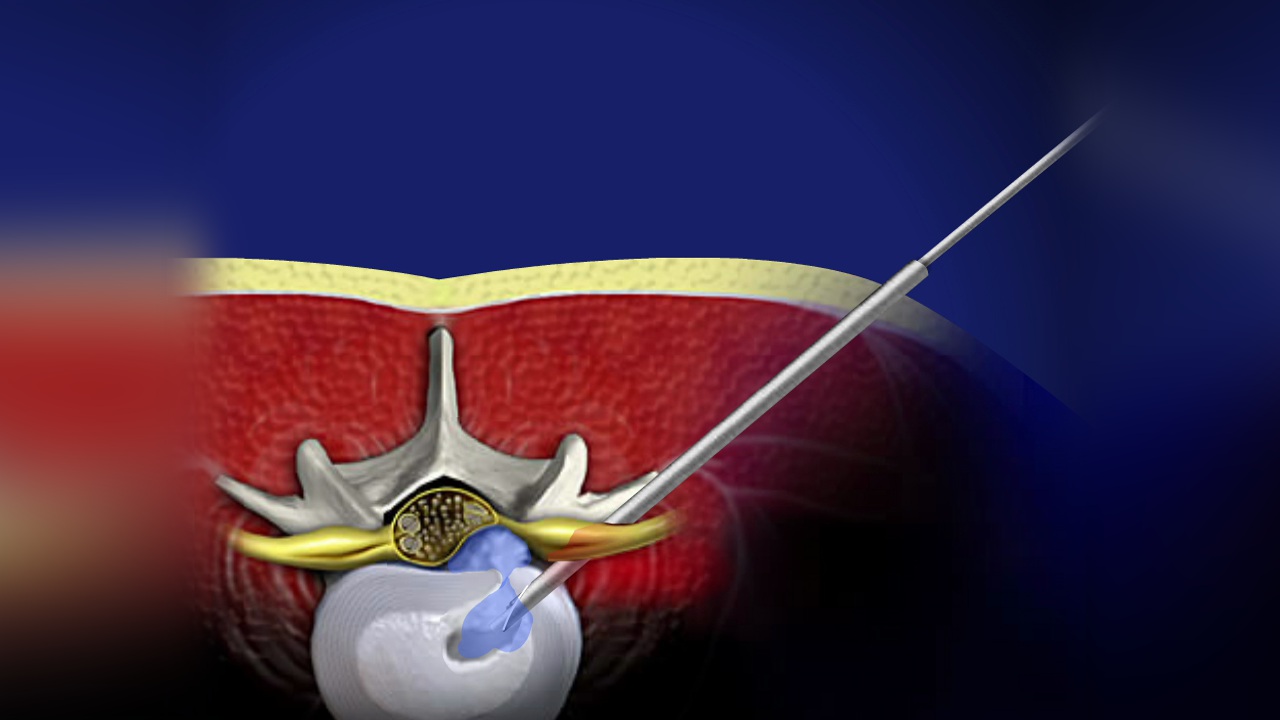
Percutaneous spine surgery involves performing procedures through very small skin openings using needles and specialized instruments.
The term “percutaneous” means “through the skin.”
Types of Percutaneous Procedures
Common techniques include:
- Percutaneous discectomy
- Vertebroplasty
- Kyphoplasty
These procedures are often used to treat disc problems or spinal fractures.
How the Procedure Works
Doctors use fluoroscopy or imaging guidance to place instruments precisely.
The process includes:
- Inserting a needle through the skin
- Using imaging to guide the tools
- Treating the affected area without large incisions
Benefits of Percutaneous Techniques
These procedures offer:
- Minimal scarring
- Less pain after surgery
- Quick recovery time
- Outpatient treatment options
Choosing the Right Procedure
Factors That Determine the Best Option
The choice depends on:
- Type of spine condition
- Severity of symptoms
- Patient’s overall health
A qualified spine specialist or orthopedic surgeon evaluates these factors before recommending treatment.
Importance of Accurate Diagnosis
Proper diagnosis is essential. Imaging tests like:
- MRI (Magnetic Resonance Imaging)
- CT scan (Computed Tomography)
help identify the exact problem and guide treatment.
Personalized Treatment Plans
Each patient is different. Treatment plans are tailored to match individual needs, ensuring the best possible outcome.
Recovery and Aftercare
What to Expect After Surgery
Most minimally invasive procedures allow faster healing. Patients often return to normal activities within weeks.
Tips for Faster Recovery
- Follow your doctor’s instructions
- Attend physical therapy
- Avoid heavy lifting
- Maintain good posture
Long-Term Spine Health
Maintaining spine health is important after surgery.
Healthy habits include:
- Regular exercise
- Proper ergonomics
- Weight management
Conclusion
Modern spine care has come a long way. Procedures like minimally invasive laminectomy, microdiscectomy, and percutaneous spine surgery provide effective solutions with less pain and faster recovery.
These advanced techniques reduce the risks linked with traditional surgery while improving patient outcomes. By working with a skilled spine surgeon and getting the right diagnosis, patients can find relief from chronic back pain and return to their daily lives with confidence.
Choosing minimally invasive options is not just about treatment—it is about improving comfort, mobility, and overall quality of life.