Last Updated on March 29, 2026 by Dwyane
Hydraulic systems power some of the most demanding equipment used in construction, agriculture, manufacturing, and transportation. These systems rely on a precise balance between pressure, fluid flow, and component integrity. When everything works together, performance is smooth and efficient. When something goes wrong, even a small issue can lead to major system failure.
Most breakdowns are not random. They are usually the result of preventable issues such as contamination, poor component selection, or lack of maintenance. Understanding how hydraulic system components, hose assemblies and fittings, and fluid power fittings interact is key to preventing downtime.
This article explains the most common causes of hydraulic system failure and provides practical steps to help you avoid them.
What Are Hydraulic System Components and Why Do They Matter?
Key Parts That Keep Hydraulic Systems Running
A hydraulic system operates through a closed loop of pressurized fluid. Core hydraulic system components include pumps, valves, actuators, reservoirs, and seals. Each component plays a specific role in maintaining pressure and controlling motion.
If one part becomes inefficient or damaged, it places extra stress on the rest of the system. For example, a worn pump may struggle to maintain pressure, forcing other components to work harder than intended. Over time, this imbalance leads to failure.
How Fluid Power Fittings Support Performance
Fluid power fittings act as the connectors that link every part of the system. They guide fluid flow and maintain pressure stability.
High-quality fittings ensure tight connections and consistent performance. Poorly manufactured or mismatched fittings, however, can introduce leaks, pressure drops, and system inefficiencies. These small issues often develop into larger failures if not addressed early.
Understanding Hose Assemblies and Hydraulic Fittings
What Are Hose Assemblies Used For?
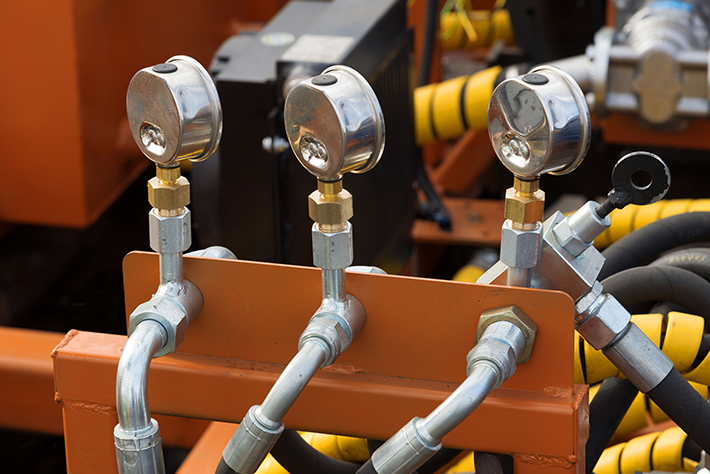
Hose assemblies and fittings are responsible for transporting hydraulic fluid between components under high pressure. They are designed to handle constant vibration, extreme temperatures, and heavy mechanical stress.
A failure in a hose assembly can result in sudden fluid loss, pressure imbalance, and system shutdown. This makes them one of the most critical areas to monitor.
Types of Hydraulic Hose Fittings Explained
There are several types of hydraulic fittings, each designed for specific applications:
- Threaded fittings for secure, permanent connections
- Quick-connect fittings for fast installation and removal
- Compression fittings for tight sealing under pressure
Using the correct type is essential. An incorrect fitting can weaken the connection and increase the risk of leakage or failure.
Why Proper Fitting Selection Is Important
Selecting the right fittings is not just about compatibility—it directly impacts system safety.
Pressure rated fittings must match the operating conditions of the system. When fittings are under-rated, they may deform or fail under stress. When they are properly rated, they maintain structural integrity and prevent unexpected breakdowns.
Why Pressure Rated Fittings Are Critical in Hydraulic Systems
What Does Pressure Rating Mean?
A pressure rating defines the maximum pressure a fitting can safely handle. This rating is based on design, material strength, and testing standards.
Using fittings with inadequate pressure ratings exposes the system to serious risks, including bursts and catastrophic failure.
Risks of Using Low-Quality Fittings
Low-quality fittings are one of the leading causes of hydraulic failure. Common issues include:
- Weak sealing surfaces
- Poor thread alignment
- Reduced resistance to pressure and temperature
These flaws can lead to leaks, reduced efficiency, and frequent maintenance needs. Over time, they increase operational costs significantly.
How to Choose the Right Pressure Rated Fittings
To ensure reliability:
- Match fittings with system pressure requirements
- Consider temperature and environmental conditions
- Source components from a premium hydraulic fittings manufacturer
High-quality fittings are designed to perform consistently under stress, reducing the likelihood of failure.
How Leak Proof Hydraulic Connectors Improve System Efficiency
Common Causes of Hydraulic Leaks
Hydraulic leaks are often gradual but damaging. They typically result from:
- Worn seals and gaskets
- Loose or improperly installed fittings
- Hose degradation over time
Even minor leaks can reduce system pressure and efficiency, leading to increased energy consumption.
Benefits of Leak-Proof Connections
Leak proof hydraulic connectors are designed to create secure, tight seals that prevent fluid escape.
These connectors help maintain consistent pressure, improve system efficiency, and reduce the risk of contamination. They also enhance workplace safety by minimizing fluid exposure.
Tips to Prevent Fluid Loss
Preventing leaks requires a proactive approach:
- Inspect connections regularly
- Replace aging hoses and seals
- Use properly rated and compatible fittings
Consistent maintenance combined with high-quality components significantly reduces leak-related failures.
The Importance of Durable Hydraulic Parts in Heavy Equipment
How Durability Affects System Life
Durable hydraulic parts are built to handle repeated stress, high pressure, and harsh environments.
When components are durable, they maintain performance over longer periods. This reduces wear on the system and minimizes unexpected breakdowns.
Materials Used in Hydraulic Components
Material selection plays a major role in durability. Common materials include:
- Carbon steel for strength
- Stainless steel for corrosion resistance
- Brass for flexibility in specific applications
Choosing the right material ensures that components perform reliably under specific operating conditions.
Signs Your Hydraulic Parts Need Replacement
Recognizing early warning signs can prevent major failures. Look for:
- Decreased system performance
- Visible cracks or corrosion
- Unusual noise or vibration
Replacing parts at the right time helps avoid costly downtime.
How to Choose a Premium Hydraulic Fittings Manufacturer
Features of a Reliable Supplier
A reliable supplier provides:
- Consistent product quality
- Detailed technical specifications
- Proven performance in demanding environments
Working with a trusted source ensures that your system components meet required standards.
Quality Standards and Certifications
Industry certifications indicate that products have been tested for safety and performance.
Choosing certified fittings reduces the risk of defects and ensures compatibility with industry requirements.
Why Investing in Premium Fittings Saves Money
Although premium components come with a higher initial cost, they deliver greater long-term value.
They reduce maintenance frequency, minimize downtime, and improve overall system efficiency. Over time, this leads to significant cost savings.
Maintenance Tips for Hydraulic Systems and Fittings
Regular Inspection Checklist
Routine inspections are essential for preventing failures. Check:
- Hose conditions
- Fitting tightness
- Fluid cleanliness and levels
Early detection allows for quick corrections before issues escalate.
Cleaning and Replacement Best Practices
Contamination is a major cause of hydraulic failure. Keeping the system clean is critical.
Replace filters regularly and ensure that new components are free from debris before installation.
Extending the Life of Hydraulic Components
To maximize system lifespan:
- Use high-quality hydraulic system components
- Follow recommended maintenance schedules
- Avoid exceeding system pressure limits
A well-maintained system performs better and lasts longer.
Conclusion
Hydraulic system failures are rarely sudden or unavoidable. In most cases, they result from issues that develop over time, such as poor component quality, incorrect fitting selection, or lack of maintenance.
By understanding how hose assemblies and fittings, fluid power fittings, and pressure rated fittings function within the system, you can identify risks early and take corrective action.
Using leak proof hydraulic connectors and durable hydraulic parts improves reliability, while sourcing from a premium hydraulic fittings manufacturer ensures consistent performance under demanding conditions.
Preventive maintenance, proper component selection, and attention to detail are the foundations of a reliable hydraulic system. When these practices are followed, equipment operates more efficiently, downtime is reduced, and long-term costs remain under control.