Last Updated on March 29, 2026 by Dwyane
Losing a tooth can feel scary. It can change how you eat, speak, and smile. But here’s the good news—modern dentistry offers safe and effective ways to replace missing teeth. After a tooth extraction, it’s important to think about what comes next.
If you leave the space empty, it can lead to bigger problems. Your nearby teeth may shift. Your jawbone may shrink over time. Even your face shape can change. That’s why dentists often suggest replacing a missing tooth as soon as possible.
In this guide, we’ll walk you through the best tooth replacement options. We’ll also explain when you should consider them. Everything is simple, clear, and easy to understand.
Why Replacing a Missing Tooth Matters
How Missing Teeth Affect Your Oral Health
When a tooth is gone, your mouth doesn’t stay the same. Teeth around the gap can move out of place. This can cause bite problems and make chewing harder.
Also, your jawbone needs stimulation from teeth. Without it, the bone may shrink. This process is called bone loss. Over time, it can weaken your jaw and change your facial structure.
Long-Term Risks of Leaving the Gap Untreated
If you ignore a missing tooth, you may face:
- Trouble chewing food properly
- Speech issues
- Higher risk of gum disease
- More tooth loss in the future
That’s why dentists recommend acting early. Replacing a tooth helps keep your mouth healthy and stable.
Dental Implants — A Permanent and Natural Solution
What Are Dental Implants and How Do They Work
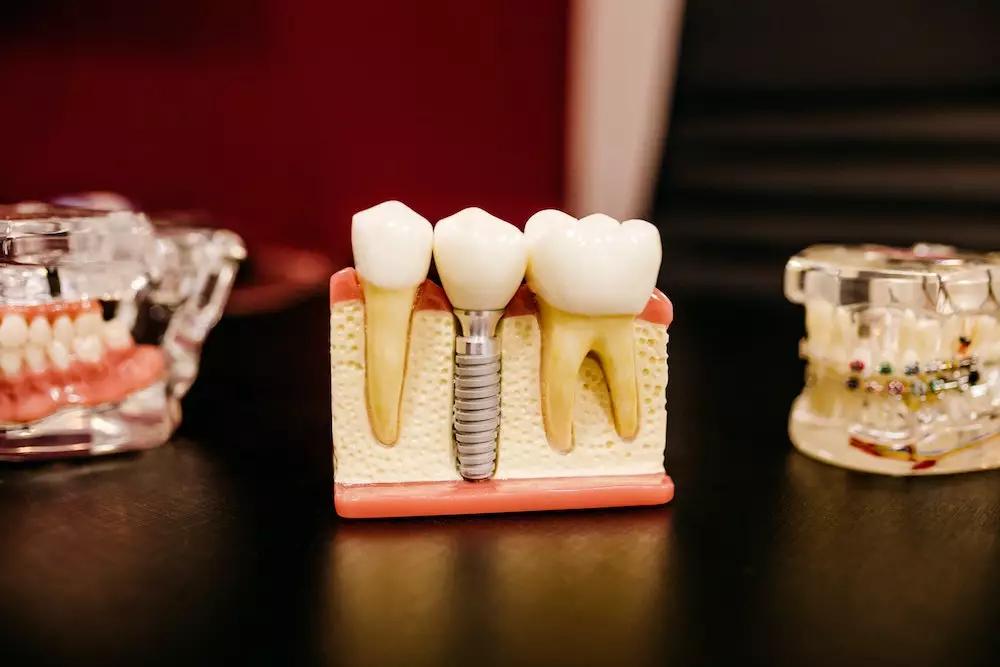
Dental implants are one of the most trusted and widely used tooth replacement options today. They are small, strong titanium posts that are placed into your jawbone. These posts act like natural tooth roots, giving a solid base for a new tooth that looks, feels, and functions just like a real one.
Once healed, a crown (fake tooth) is placed on top.
Benefits of Choosing Dental Implants
- Long-lasting and durable
- Looks very natural
- Helps prevent bone loss
- Does not affect nearby teeth
Many dentists consider dental implants the gold standard for tooth replacement.
When Should You Consider Dental Implants
You should consider implants if:
- Your jawbone is healthy
- You want a long-term solution
- You prefer a fixed (non-removable) option
However, implants may take a few months to complete. Healing time is important for success.
Dental Bridges — A Fixed and Faster Alternative
How Dental Bridges Fill the Gap
A dental bridge uses nearby teeth for support. A false tooth is placed in the gap and held in place by crowns on adjacent teeth.
It literally “bridges” the space between teeth.
Pros and Cons of Dental Bridges
Pros:
- Faster than implants
- Fixed in place (not removable)
- Restores function quickly
Cons:
- Requires shaping healthy teeth
- May not last as long as implants
Best Situations for Choosing a Dental Bridge
A dental bridge is a good option if:
- You want a quicker solution
- Your nearby teeth already need crowns
- You are not a candidate for implants
Dentures — A Flexible and Affordable Option
Types of Dentures Available Today
Dentures come in different types:
- Partial dentures for a few missing teeth
- Full dentures for all missing teeth
They are removable and sit on your gums.
Advantages of Modern Dentures
- More affordable than other options
- Non-invasive (no surgery needed)
- Easy to adjust or replace
Today’s dentures are more comfortable and natural-looking than before.
When Dentures Are the Right Choice
You may choose dentures if:
- You are missing multiple teeth
- You want a budget-friendly option
- You prefer a non-surgical solution
Dentures are a practical choice, especially for older adults.
Dental Crowns for Single Tooth Restoration
When a Crown Can Be Used After Extraction
In some cases, a dental crown is used with an implant or bridge. It acts as the visible part of the tooth.
It is carefully custom-made to match the shape, size, and color of your natural teeth, so it blends in seamlessly with your smile.
How Crowns Improve Function and Appearance
A dental crown:
- Restores chewing ability
- Improves your smile
- Protects underlying structures
Crowns are strong and can last many years with proper care.
Factors That Help You Choose the Best Option
Cost and Budget Considerations
Each option has a different cost:
- Dental implants are usually the most expensive
- Bridges are mid-range
- Dentures are the most affordable
Your budget plays an important role in choosing the right tooth replacement option for your needs.
Oral Health and Bone Condition
Your dentist will check your:
- Jawbone strength
- Gum health
- Overall oral condition
For example, implants need strong bone support.
Lifestyle and Personal Preferences
Think about your daily life:
- Do you want a permanent solution?
- Are you okay with removable teeth?
- How important is comfort and appearance?
Your lifestyle matters when choosing the right option.
When Should You Replace a Tooth After Extraction
Immediate vs Delayed Tooth Replacement
Sometimes, replacement can happen right after extraction. This is called immediate placement.
Other times, you may need to wait for healing. This is called delayed placement.
Signs You Should Not Delay Replacement
You should not wait too long if:
- Your teeth are shifting
- You have trouble chewing
- You notice changes in your bite
Early action can prevent bigger problems later.
Recovery and Aftercare Tips for Best Results
Healing After Tooth Extraction
After a tooth extraction, your body needs time to recover and function properly. Follow your dentist’s advice carefully.
Basic tips include:
- Avoid hard foods
- Keep the area clean
- Do not smoke
Maintaining Your Replacement Teeth
No matter which option you choose, good care is key:
- Brush and floss daily
- Visit your dentist regularly
- Avoid damaging habits
Taking care of your new teeth helps them last longer.
Conclusion
Replacing a missing tooth is not just about looks—it’s about your health. Whether you choose dental implants, dental bridges, or dentures, each option has its own benefits.
The best choice depends on your needs, budget, and oral health. The most important thing is not to delay. Acting early can save you from bigger problems in the future.
Talk to a dental professional, explore your options, and take the next step toward a healthier, confident smile.