Circular living is no longer a niche idea reserved for environmental campaigners or sustainability experts. It is becoming a practical way of life for households across the UK who want to reduce waste, lower their environmental impact, and make more responsible choices without sacrificing comfort. At the centre of this shift sits bamboo, a material quietly reshaping how we think about everyday products and long term sustainability.
Understanding the Importance of Bamboo in Circular Living begins with recognising that our current consumption habits are unsustainable. Traditional materials often rely on resource heavy processes, contribute to deforestation, and end their lifecycle in landfill. Bamboo offers an alternative that aligns naturally with circular principles, from how it grows to how it is used and eventually disposed of.
What Circular Living Really Means
Circular living is based on the idea that products and materials should stay in use for as long as possible, extracting maximum value before being safely returned to the environment or reused in another form. Unlike the traditional take make waste model, circular systems aim to eliminate waste at the design stage.
In everyday terms, circular living encourages people to choose products that are renewable, responsibly sourced, durable where needed, and biodegradable or recyclable at the end of their life. It also promotes mindful consumption, where quality and impact matter more than convenience alone.
This is where bamboo fits so naturally. Its entire lifecycle mirrors the values that circular living stands for.
Why Bamboo Is Different From Conventional Materials
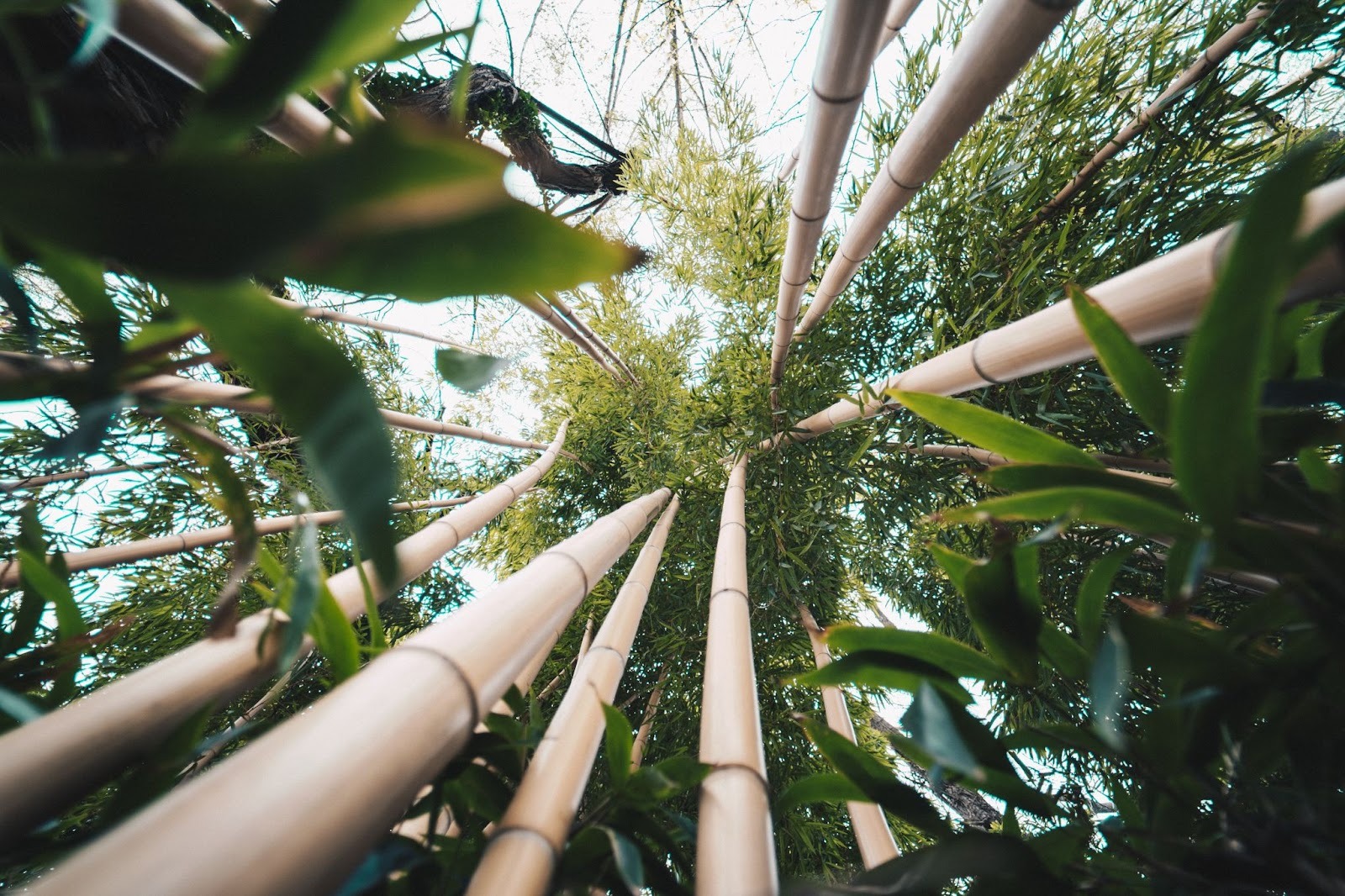
Bamboo is technically a grass, not a tree, which already sets it apart from traditional wood based materials. It grows incredibly fast, with some species capable of reaching maturity in just a few years. Once harvested, bamboo regenerates from its root system without the need for replanting.
This rapid regrowth means bamboo farming places far less strain on land and ecosystems compared to slow growing trees. It also absorbs large amounts of carbon dioxide during its growth cycle, contributing positively to carbon balance rather than depleting it.
The Importance of Bamboo in Circular Living becomes clear when you consider how little intervention is required for bamboo to thrive. It needs minimal water, no fertilisers in most cases, and can grow on land unsuitable for other crops. This reduces pressure on forests and agricultural land while providing a steady supply of raw material.
Bamboo and the Circular Economy at Home
Circular living starts in the home, often with small, practical changes. Household items used daily have a significant cumulative impact, even if they seem insignificant individually. Choosing bamboo based alternatives for everyday essentials helps close the loop between consumption and environmental responsibility.
Bathroom and kitchen products are a strong example. Traditional paper products often rely on virgin wood pulp, contributing to deforestation and intensive manufacturing processes. Bamboo based options offer a renewable alternative that aligns better with circular values.
For example, bamboo toilet rolls provide a functional, familiar product made from a rapidly renewable resource rather than slow growing trees. Similarly, bamboo kitchen rolls reduce reliance on conventional paper sources while maintaining performance and hygiene standards expected in modern homes. Even bamboo tissue products demonstrate how everyday comfort does not need to come at the cost of environmental harm.
By choosing these options thoughtfully, households support materials that are designed to return safely to the environment after use rather than adding to landfill waste.
Reducing Waste Without Compromising Comfort
One misconception about circular living is that it requires sacrificing quality or convenience. In reality, many bamboo products perform just as well, if not better, than their conventional counterparts.
Bamboo fibres are naturally strong and absorbent, making them well suited for household use. Advances in manufacturing have refined bamboo products to meet modern expectations, whether that is softness, durability, or hygiene.
The Importance of Bamboo in Circular Living lies not only in its sustainability credentials but also in its ability to integrate seamlessly into daily life. People are far more likely to adopt circular habits when those habits do not feel like a downgrade. Bamboo helps bridge that gap between responsibility and comfort.
Supporting Responsible Production Systems
Circular living is not just about what happens in the home. It also considers how products are made, transported, and packaged. Bamboo lends itself well to responsible production models because of its efficiency and versatility.
When sourced ethically, bamboo supports supply chains that prioritise regeneration over extraction. It encourages manufacturers to design products with their full lifecycle in mind, including how materials break down after use.
Choosing bamboo products sends a clear signal to producers that sustainability matters to consumers. This demand helps drive innovation, better sourcing practices, and improved transparency across industries.
The Importance of Bamboo in Circular Living is therefore not limited to individual choices but extends to shaping broader market behaviour.
Bamboo as a Gateway to More Sustainable Habits
For many people, adopting circular living feels overwhelming at first. The idea of rethinking consumption habits across an entire household can seem daunting. Bamboo products Like
eco friendly cleaning products often act as a gateway, making sustainable choices feel accessible rather than intimidating.
Switching to bamboo based essentials is a low effort change with tangible impact. It helps people build confidence in making environmentally conscious decisions and encourages further exploration into sustainable alternatives in other areas of life.
Over time, these small shifts accumulate. Circular living becomes less about perfection and more about consistent, thoughtful choices.
Environmental Impact Beyond the Home
The environmental benefits of bamboo extend beyond individual households. On a larger scale, bamboo cultivation supports biodiversity when managed responsibly. Its root systems help prevent soil erosion, and its rapid growth reduces pressure on natural forests.
By integrating bamboo into circular systems, societies can reduce reliance on extractive industries that damage ecosystems. This shift supports climate goals, conservation efforts, and long term resource security.
The Importance of Bamboo in Circular Living also lies in its adaptability. Bamboo can be used across multiple industries, from textiles to construction, reinforcing circular principles at every level of production and consumption.
Addressing Concerns and Misconceptions
As with any material, bamboo is not automatically sustainable in every context. Poor sourcing practices or excessive processing can undermine its environmental benefits. This is why informed consumer choices matter.
Circular living encourages people to look beyond marketing claims and consider the full lifecycle of products. Responsible bamboo products prioritise ethical sourcing, minimal chemical processing, and environmentally considerate packaging.
When these factors are in place, bamboo remains one of the most compelling materials available for those seeking to live more circularly.
The Future of Bamboo in Circular Living
Looking ahead, bamboo is likely to play an even greater role in circular living as awareness grows and innovation continues. Advances in material science are expanding how bamboo can be used while maintaining its sustainability advantages.
As consumers become more conscious of their environmental impact, demand for materials that align with circular principles will increase. Bamboo’s versatility, renewability, and performance position it as a key material in this transition.
The Importance of Bamboo in Circular Living will continue to grow as people seek practical solutions that balance responsibility with everyday needs.
Final Thoughts
Circular living is not about radical change overnight. It is about making better choices consistently and understanding how those choices shape the world around us. Bamboo offers a practical, accessible way to align daily habits with circular values.
From how it grows to how it returns to the environment, bamboo embodies the principles that circular living stands for. By choosing bamboo based products thoughtfully, households can reduce waste, support sustainable systems, and contribute to a healthier future without compromising on comfort or quality.