Smart HomeOwnership: Protecting Your Property the Right Way
Last Updated on March 2, 2026 by Dwyane
When you own a home, you start to think differently about nearly everything. It is no longer about paying rent and calling some other person when something goes wrong. It is a matter of responsibility, long-term thinking, and having something to safeguard that represents years of hard work. A house is not a roof and four walls. It is your safety net, your comfort zone, and to many it is the biggest financial investment they will ever make. And this is precisely why smart homeownership is not merely a matter of wise purchasing, but wise securing.
I have observed over the years that homeowners have been falling into two extremes. Some are concerned with everything and overwork themselves. Others believe that nothing bad will happen and neglect significant precautions. The actual sweet spot is in between. Smart house owners are realistic. They plan against risks without worrying too much.
Let’s break down what protecting your property the right way actually looks like.
Understanding That Ownership Is Ongoing
Among the most significant changes in mindset after purchasing a home is the realization that the purchase is only the start. The day you receive keys is a fun day, however that is the beginning of the journey. Homes age. Systems wear down. Stormuring takes its toll. Materials swell, shrink, crack and occasionally break. This does not mean that you have made a bad investment. It only means that homes require attention.
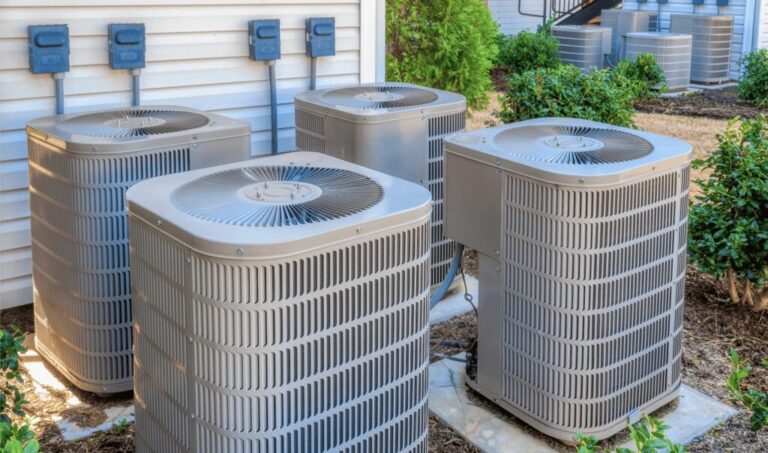
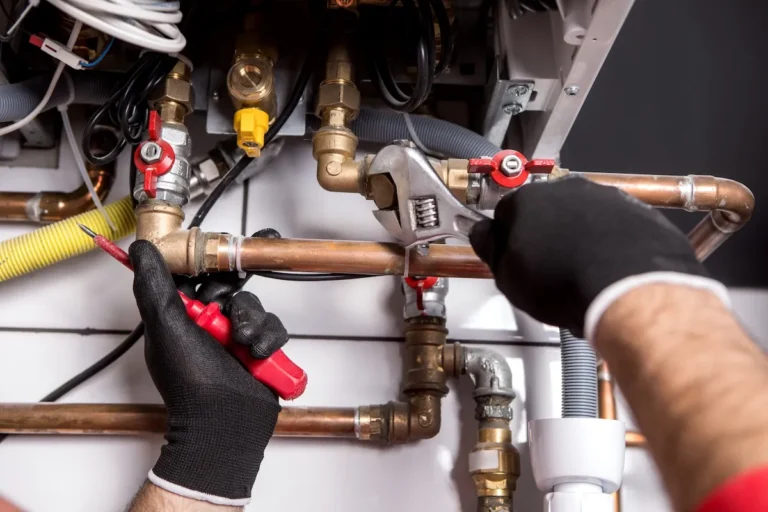
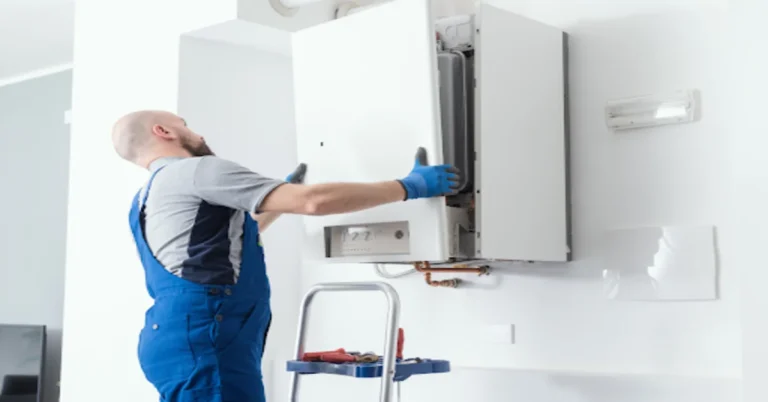
Astute house residents make maintenance a part of their lives rather than anticipating a failure. Their roofs are inspected prior to monsoon or heavy winter snow. They maintain the HVAC system prior to the high summer temperatures. They also check the plumbing regularly, rather than finding the leakage after the damage has expanded. Minor preventive measures are usually significantly cheaper than large emergency maintenance.
When you treat maintenance as protection rather than an inconvenience, everything changes.
Building Insurance
Buildings insurance is one of the areas of protection that deserves special attention. Before anything else, it helps to begin by understanding what building insurance is and why it matters.
It’s not about covering your furniture or gadgets but rather the literal structure of your house: the walls, roof, floors, fitted kitchen, and permanent fixtures. In case your property is destroyed by some incident such as fire, storms, floods, vandalism, or burst pipes, building insurance will assist in covering the costs of repairing or rebuilding the property.
Most providers will give you the opportunity to choose your excess amount, and this directly correlates with your premium, the less excess you have the higher your premiums will be and vice versa. It is a small yet crucial balance, and when it is done correctly, you do not end up with a huge repair bill on your hands.
Creating an Emergency Fund for Your Home
Even with solid insurance, you may need additional support. Deductibles exist. Routine repairs are your responsibility. Appliances break. Water heaters fail. Electrical systems age. And, unfortunately, such things never come at opportune moments.
This is the reason why smart homeowners keep a home emergency fund. Financial planners usually recommend that one to three percent of the value of your home be set aside every year to allow maintenance and other unforeseen repairs. You will not use it every year, but when you require it, you will be glad it is there.
With this cushion a crisis becomes a minor inconvenience. You do not panic on how to finance a repair but simply find a solution and move on. That financial peace of mind is one of the ways of securing your property in the proper manner.
Investing in Smart Security Measures
Security is not only about having some expensive alarm systems. It is about multi-layered security. It is possible to prevent many issues before they start easily by ensuring that there is good lighting around access points, good locks, buttressed doors, and security cameras.
This has never been easier than it is now with the use of modern smart home technology. Video doorbells, motion sensors, remote monitoring apps, and smart locks allow you to keep an eye on your property even when you’re away. The goal isn’t to turn your house into a fortress. It’s to reduce risk and increase awareness.
Smart homeowners think in terms of prevention. The bright exterior and the camera in view tend to keep the incidents at bay, which is much better than addressing the consequences.
Maintaining Documentation In order.
Final Thoughts
There is no need to go to the ends of the earth or employ complex plans to protect your property. It just needs awareness, strategy and regular maintenance. You will automatically make smarter choices when you start looking at your home as a long term asset rather than a short term expense.
Fear is not a part of smart homeownership. It is more about respect: the respect of your investment, your financial stability and life you are creating within those walls. When you think like that about ownership, protection is something that is in your daily habit and not something that is in response to crisis.
And then you know you are doing it right.