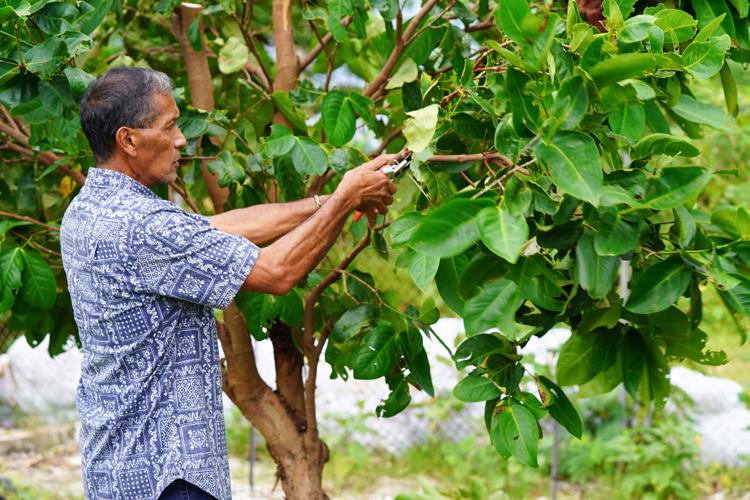
Proactive Strategies for Managing High Risk Trees in Storm Prone Areas
Last Updated on March 1, 2026 by Dwyane
Severe weather events such as hurricanes, heavy windstorms, and ice accumulation can turn unstable trees into serious safety hazards. Falling limbs, uprooted trunks, and debris can damage homes, vehicles, and infrastructure while putting lives at risk. Partnering with professional tree care services is one of the most effective ways to reduce these risks while preserving the health and value of your landscape.
Storm preparedness is not just about reacting after damage occurs. It involves early identification of structural weaknesses, routine maintenance, and long term planning to ensure trees remain strong and resilient in extreme weather conditions.
RELATED: Neatlanta: The Modern Identity Transforming Atlanta
Understanding What Makes a Tree Hazardous
Structural Weakness and Defects
Trees with cracked trunks, split limbs, or weak branch attachments are more likely to fail during high winds. Poor branch unions and multiple trunks growing from a single base can create stress points that weaken stability.
Identifying these defects early allows for corrective pruning or structural support before severe weather strikes.
Disease and Pest Damage
Fungal infections, insect infestations, and internal decay compromise a tree’s strength. Although a tree may appear healthy externally, internal rot can significantly reduce its ability to withstand wind pressure.
Regular inspections help detect hidden issues that could become dangerous during storms.
Root System Instability
Healthy roots anchor trees firmly into the soil. Construction activity, soil compaction, erosion, or excessive moisture can damage root systems and increase the likelihood of uprooting.
Storm prone areas require special attention to root health and soil stability.
The Importance of Professional Risk Assessment
Visual Inspection and Early Warning Signs
Routine visual inspections can reveal warning signs such as:
Dead or hanging branches
Leaning trunks
Cracks in the bark
Fungal growth near the base
Exposed or lifted roots
Addressing these issues early significantly reduces the probability of storm related failure.
Advanced Evaluation Techniques
Certified arborists use specialized tools to assess internal decay and structural integrity. Sounding techniques, resistance testing, and aerial inspections provide a comprehensive evaluation of tree stability.
Professional assessments prioritize high risk trees and determine whether pruning, support systems, or removal is necessary.
Pruning Strategies That Reduce Storm Damage
Crown Thinning for Wind Resistance
Crown thinning removes select branches to reduce wind resistance. By allowing air to pass more freely through the canopy, pressure on the trunk and major limbs decreases.
This technique maintains the tree’s natural shape while enhancing stability.
Removal of Dead and Weak Branches
Dead limbs are especially vulnerable during storms. Removing weak or diseased branches reduces the risk of falling debris that could cause injury or property damage.
Routine pruning strengthens the tree’s overall structure and encourages healthy growth.
Crown Reduction for Overextended Limbs
Long, heavy limbs create leverage during strong winds. Crown reduction shortens overextended branches, redistributing weight and lowering the chance of breakage.
Proper technique is essential to avoid damaging the tree or encouraging improper regrowth.
Structural Support and Preventive Measures
Cabling and Bracing Systems
Cabling involves installing flexible steel cables between major limbs to provide additional support. Bracing rods reinforce weak branch unions or split trunks.
These techniques help preserve valuable trees while improving their resistance to storm stress.
Root Zone Protection
Maintaining healthy soil conditions is critical. Strategies include:
Applying mulch to regulate moisture
Avoiding heavy equipment near root zones
Improving soil aeration
Ensuring proper drainage
Strong root systems greatly enhance a tree’s ability to remain upright during high winds.
Emergency Preparedness and Storm Response
Developing a Pre Storm Plan
Homeowners and businesses in storm prone areas should schedule regular inspections and address known hazards before storm season begins.
Clearing weak limbs and stabilizing vulnerable trees reduces emergency situations later.
Rapid Post Storm Assessment
After severe weather, trees should be evaluated for new damage. Broken limbs, leaning trunks, or exposed roots may require immediate action.
Professional crews can safely remove unstable trees and manage debris while minimizing further damage.
Proper Debris Removal and Recycling
Responsible cleanup ensures fallen wood and branches are safely removed or recycled. Recycling tree debris into mulch or compost supports environmental sustainability.
Long Term Benefits of Proactive Tree Management
Protecting Property and Reducing Liability
Preventive maintenance reduces the likelihood of costly repairs caused by falling trees. Proactive management also limits liability risks for property owners.
Enhancing Landscape Value
Healthy, well maintained trees increase curb appeal and property value. Proper care ensures trees remain assets rather than hazards.
Supporting Environmental Health
Strong trees improve air quality, manage stormwater runoff, and provide habitat for wildlife. Effective management preserves these environmental benefits even in storm prone climates.
Best Practices for Homeowners and Businesses
To effectively manage hazardous trees:
Schedule annual inspections with qualified professionals
Prune weak or diseased branches regularly
Monitor soil and root health
Install support systems when needed
Remove high risk trees before severe weather season
Taking preventive action protects both property and community safety.
Conclusion
Storm prone areas require vigilant and proactive tree management. Structural weaknesses, disease, and root instability can quickly turn trees into serious hazards during extreme weather. By investing in professional evaluations, routine pruning, structural support systems, and emergency preparedness planning, property owners can significantly reduce risks.
Effective tree management not only safeguards buildings and people but also preserves the environmental and aesthetic benefits trees provide. With proper planning and expert guidance, landscapes can remain safe, resilient, and healthy even in the face of severe storms.