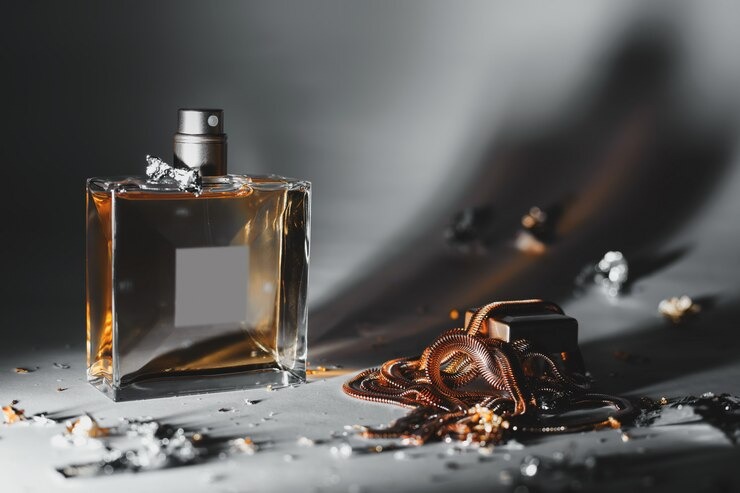
In the world of luxury scents, few ingredients inspire as much fascination, reverence, and mystique as oud. Often referred to as “liquid gold” or “black gold,” oud has been treasured for centuries across the Middle East and Asia for its deep, complex, and hypnotic aroma. Today, it stands at the crossroads of tradition and modern perfumery, captivating fragrance lovers around the globe.
But what exactly is oud, and why has it earned such an iconic status in oriental perfumery?
What Is Oud?
Oud, also known as agarwood, is a rare and precious resinous wood formed inside the heartwood of Aquilaria trees. These trees, native to Southeast Asia, produce a dark, aromatic resin as a defense mechanism when they become infected with a particular type of mold. Over time, this resin saturates the wood, transforming it into the highly valued material known as oud.
The rarity of this natural process is one of the main reasons oud is so expensive. Not every Aquilaria tree produces oud, and even when it does, the quality and scent profile can vary significantly depending on the region, age, and extraction method.
Why Is Oud Called “Black Gold”?
The nickname “black gold” reflects both the dark color of the resin-rich wood and its exceptional value. High-quality oud oil can be more expensive than gold by weight. The harvesting process is labor-intensive, and sustainable cultivation requires careful management of Aquilaria plantations.
Beyond its monetary value, oud is considered “golden” in cultural and spiritual terms. In Middle Eastern traditions, oud is burned as incense during religious ceremonies, weddings, and important gatherings. It symbolizes hospitality, prestige, and refinement. Wearing oud is not just about smelling good it is about expressing identity and status.
The Scent Profile of Oud
Oud is unlike any other fragrance ingredient. Its scent is rich, deep, and multi-layered. Depending on its origin, oud can smell:
- Woody and smoky
- Sweet and balsamic
- Earthy and leathery
- Animalic and musky
- Spicy and slightly medicinal
This complexity makes oud both challenging and fascinating. To some, its intensity may seem overwhelming at first. To others, it is intoxicating and unforgettable. Modern perfumers often blend oud with rose, saffron, amber, sandalwood, vanilla, or spices to soften its edges and create a more balanced composition.
The result is a fragrance that evolves beautifully on the skin, revealing different facets throughout the day.
Oud in Oriental Perfumery
Oriental perfumery is known for its opulence, warmth, and sensuality. It typically features ingredients like amber, musk, spices, and resins. Oud fits perfectly into this olfactory family, enhancing its depth and mystery.
In traditional Middle Eastern perfumery, oud oil (also called “dehn al oud”) is often worn alone. Just a small drop on the pulse points can last for hours, even days on clothing. In Western perfumery, oud has been reinterpreted and modernized. Luxury brands have embraced it in niche and designer collections, making it accessible to a global audience.
Today, oud fragrances range from bold and intense to smooth and refined, suitable for both men and women.
Oud and Masculinity
Oud is particularly popular in men’s fragrances because of its powerful, confident character. Its smoky and leathery tones create a sense of strength and sophistication. At the same time, when blended with sweeter notes like vanilla or tonka bean, oud can become warm and seductive.
For those exploring the world of luxury scents, oud-based compositions are often featured among the best scents for men, thanks to their longevity, projection, and distinctive identity. An oud fragrance does not go unnoticed it leaves a lasting impression.
However, oud is not limited to masculinity. Many modern creations blur gender boundaries, offering unisex oud perfumes that highlight floral or fruity aspects alongside the woody core.
The Craftsmanship Behind Oud Perfumes
Creating an oud fragrance requires exceptional skill. Because natural oud oil varies greatly in aroma and intensity, perfumers must carefully balance it with complementary notes. Some brands use synthetic oud accords to ensure consistency and affordability, while others insist on using genuine oud oil for authenticity and richness.
The extraction process itself is an art. Oud oil is typically obtained through steam distillation of resinous wood chips. The quality of the final oil depends on factors such as the age of the tree, the level of resin formation, and the distillation technique.
Sustainable sourcing has also become a crucial topic in the industry. Due to overharvesting in the past, wild Aquilaria trees are now protected in many regions. Responsible brands invest in cultivated plantations and ethical production methods to preserve this precious resource for future generations.
How to Wear Oud
Because oud is so intense, application should be thoughtful. A small amount goes a long way. Here are a few tips for wearing oud:
- Start Light – If you are new to oud, begin with a fragrance that blends oud with softer notes like rose or amber.
- Apply to Pulse Points – The warmth of your skin will help the scent develop gradually.
- Choose the Right Occasion – Oud is often associated with evening wear, special events, or cooler seasons due to its richness.
- Let It Evolve – Give the fragrance time to unfold. Oud perfumes often reveal their true beauty after 30 minutes or more.
When worn confidently, oud becomes an extension of your personality bold, elegant, and memorable.
Oud in Modern Luxury Culture
In recent years, oud has transcended its traditional roots and become a global symbol of luxury. High-end fashion houses, niche perfume brands, and even mainstream designers have launched oud-based collections. The ingredient is now associated with exclusivity and refinement.
Social media and fragrance communities have also contributed to its popularity. Enthusiasts discuss different oud varieties Cambodian, Indian, Laotian and compare their unique characteristics. This growing interest has introduced a new generation to the depth and artistry of oriental perfumery.
A Timeless Treasure
Oud’s journey from the forests of Southeast Asia to the shelves of luxury boutiques is a testament to its enduring appeal. It bridges cultures, histories, and olfactory traditions. Whether experienced in its pure form or as part of a modern composition, oud carries a sense of heritage and craftsmanship.
To wear oud is to embrace intensity, authenticity, and sophistication. It is more than a fragrance ingredient it is a story told through scent, a symbol of status and artistry, and a reminder that true luxury often lies in rarity.
In the ever-evolving world of perfumery, trends may come and go, but oud remains timeless. As the “black gold” of oriental perfumery, it continues to captivate hearts and senses, proving that some treasures never lose their shine.