Ottans: Sustainable Design Revolution Transforming Interiors
Last Updated on March 9, 2026 by Admin
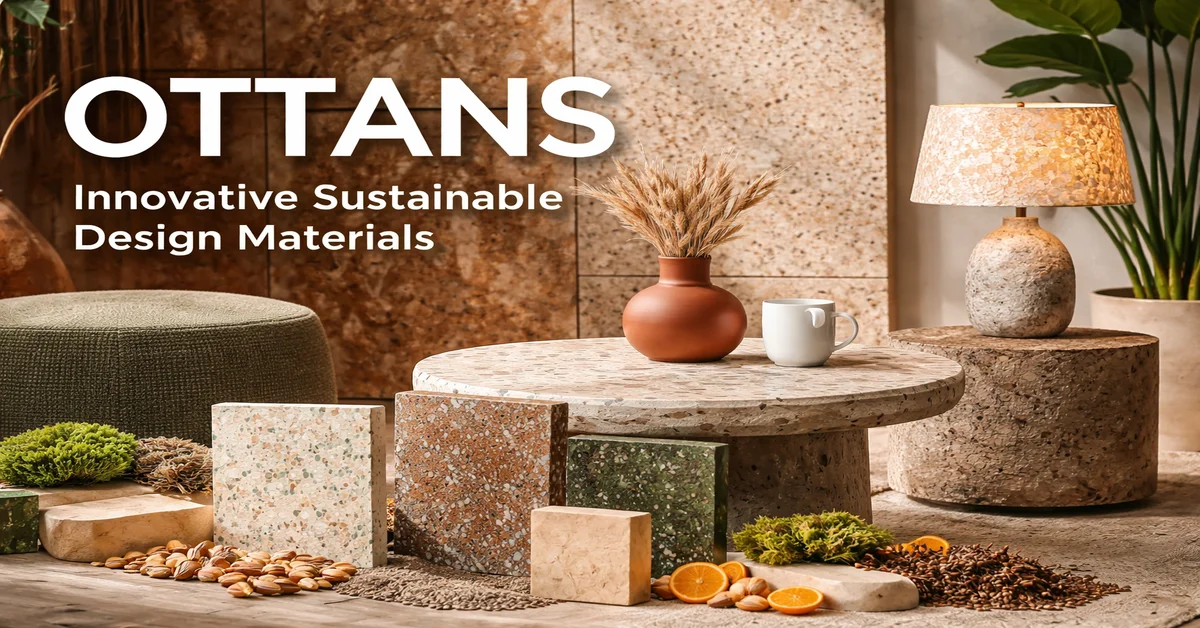
Ottans are innovative, sustainable materials used in interior design and architecture, created by upcycling organic and agricultural waste into durable, aesthetically appealing surfaces. One of the most exciting breakthroughs in this movement is Ottans—a powerful innovation that turns organic waste into stunning design materials.
At the center of this movement is Ottan Studio, a forward-thinking design company based in Istanbul, Turkey. Their revolutionary materials transform everyday waste into elegant surfaces used in interiors worldwide.
Today, Ottans represent much more than a material innovation. They represent a bold step toward a cleaner future driven by the Circular Economy, Upcycling, and advanced Bio‑composite Materials. These innovations are redefining how we think about materials in architecture and design.
RELATED: Mutmax: The Guide to Modern Woodworking Machinery
What Are Ottans?
Ottan’s materials are sustainable interior design materials made from upcycled organic waste such as eggshells, agricultural fibers, and food by-products. Through advanced manufacturing techniques, these materials are transformed into strong and visually unique panels used in modern interiors.
Unlike traditional materials like plastic or stone, Ottans focus on low-carbon production and renewable resources. This approach aligns closely with modern Sustainable Design, which encourages the use of environmentally responsible materials.
The Concept Behind Ottans Materials
The core philosophy of Ottans is simple but powerful: waste should become a valuable resource. By collecting organic waste from food and agricultural industries, Ottans transform what was once discarded into high-quality design materials.
This waste-to-material technology demonstrates how sustainable manufacturing can reduce environmental damage while still producing beautiful interior surfaces.
Why They Are Considered Revolutionary
Ottans are revolutionary because they combine science, design, and sustainability. These materials reduce landfill waste, minimize carbon emissions, and create new possibilities for architects and designers.
Instead of extracting new natural resources, Ottans rely on renewable materials and organic waste recycling, offering a greener path for the future of construction and design.
The Origins of Ottans
The Story Behind the Ottans Innovation
The Ottans story began with a mission to solve a growing environmental problem—waste. Around the world, tons of agricultural and food waste are discarded daily. Instead of letting this waste accumulate in landfills, innovative designers began exploring ways to transform it into something valuable.
This idea sparked the development of Ottans sustainable materials, a concept that merges green architecture with creative design thinking.
The Vision of Ayşe Yılmaz
The visionary behind this innovation is Ayşe Yılmaz. As a designer and entrepreneur, she believed that the future of architecture depends on sustainable materials and responsible production.
Her vision was clear: create a material system that transforms waste into beautiful products while supporting global environmental goals.
Development of the Ottans Material Concept
Over years of research and experimentation, the team at Ottan Studio developed techniques to combine organic particles with eco-friendly binders. The result was a durable material with a distinctive natural appearance.
Today, Ottans materials are recognized internationally as a breakthrough in sustainable product design and green building solutions.
How Ottans Materials Are Made
Raw Materials Used in Ottans
Ottans materials are created using natural waste products such as:
- eggshells
- pistachio shells
- hazelnut shells
- rice husks
- lentils
- grass fibers
- agricultural by-products
These materials are abundant and renewable, making them ideal for low-carbon building materials.
The Production Process
The production process combines science with craftsmanship. First, organic waste is cleaned and processed into fine particles. These particles are then mixed with eco-friendly binding agents. The mixture is pressed or molded into panels, surfaces, or custom shapes suitable for interior design.
Upcycling Organic and Agricultural Waste
This process represents a perfect example of upcycling technology. Instead of destroying waste, it is transformed into valuable materials used in architecture. By doing so, Ottans reduce waste, conserve natural resources, and promote environmentally friendly materials in construction.
Key Features of Ottans Sustainable Materials
- Eco-Friendly Composition: One of the most impressive features of Ottans materials is their eco-friendly composition. Most Ottans products contain a large percentage of recycled organic material, making them environmentally responsible alternatives to synthetic materials. This approach helps reduce pollution and supports sustainable manufacturing practices.
- Durability and Strength: Despite being made from organic waste, Ottans materials are surprisingly strong and durable. Advanced bio-composite technology ensures that the materials can withstand everyday wear and tear. This makes them ideal for interior surfaces, furniture, and architectural panels.
- Unique Textures and Aesthetics: Ottans materials also stand out because of their natural appearance. Each panel contains visible organic textures and subtle color variations. These characteristics create beautiful, one-of-a-kind surfaces that designers love for modern interiors.
Types of Ottans Materials
Core Line Materials
The Core Line is the primary collection of Ottans materials. It includes panels made from eggshells, pistachio shells, and other organic components. These materials provide durable surfaces suitable for furniture, interior panels, and decorative elements.
Stone Line Materials
Stone Line materials are designed to replicate the look of natural stone while using recycled materials. They provide the elegance of stone without the environmental impact of quarrying. These materials support green building solutions and reduce resource extraction.
Acoustic Line Materials
Acoustic Line materials are engineered for sound absorption. They are often used in offices, hotels, and public spaces where sound control is important. The combination of sustainability and acoustic performance makes them highly attractive for modern architecture.
Translucent Line Materials
Translucent materials allow light to pass through their surfaces. Designers use them for lighting panels, decorative walls, and creative installations. These materials showcase how Ottans combine functionality with artistic design.
Applications of Ottans in Interior Design
- Wall Panels and Interior Surfaces: Ottans materials are widely used as decorative wall panels. Their natural textures add warmth and character to interior spaces. They also function as durable surfaces suitable for modern homes and commercial interiors.
- Sustainable Furniture Design: Ottans are increasingly used in sustainable furniture design. Tables, chairs, and cabinets made from these materials offer eco-friendly alternatives to traditional furniture. This approach aligns with the growing demand for eco-friendly interiors.
- Decorative Architectural Elements: Architects use Ottans materials to create feature walls, art installations, and decorative structures. The natural textures provide visual interest and storytelling opportunities in design.
- Commercial Interior Spaces: Major brands and commercial spaces are adopting sustainable materials. Companies like Nestlé, Nespresso, and Red Bull have explored sustainable design strategies in their architectural projects. Ottans materials align perfectly with these sustainability initiatives.
Benefits of Using Ottans in Modern Interiors
Environmental Sustainability
Ottans materials help reduce environmental damage by using recycled organic waste. This approach lowers carbon emissions and protects natural resources.
Waste Reduction
Food and agricultural waste often end up in landfills. Ottans transform this waste into valuable design materials, supporting organic waste recycling.
Energy-Efficient Manufacturing
Because they use recycled materials, Ottans require less energy to produce compared with traditional materials like stone or plastic.
Creative Design Possibilities
Designers appreciate the flexibility of Ottans materials. Their textures, colors, and patterns create endless design possibilities.
Ottans and the Circular Economy
Ottans materials demonstrate how industries can adopt circular design materials instead of traditional linear production. In this model, waste is continuously reused to create new products.
By minimizing waste and reducing resource extraction, Ottans significantly reduce environmental impact. Circular design focuses on durability, recyclability, and resource efficiency. Ottans embody these principles by creating materials that remain valuable throughout their lifecycle.
Ottans vs Traditional Interior Materials
Traditional materials often require extensive resource extraction and energy consumption. Wood may contribute to deforestation, while plastic creates long-term pollution. Ottans offer a sustainable alternative made from renewable resources.
Ottans materials reduce landfill waste, carbon emissions, and environmental degradation. This makes them an ideal choice for environmentally conscious architects and designers. Although innovative materials may initially cost more, their long-term environmental and aesthetic benefits often outweigh the costs.
Challenges Facing Ottans Materials
Like many new technologies, Ottans materials still face challenges in widespread adoption. Some industries remain hesitant to adopt new materials. Scaling production to meet global demand requires investment in technology and infrastructure.
Many architects and designers are only beginning to learn about Ottans materials. Increased awareness will likely accelerate adoption.
The Future of Ottans in Sustainable Architecture
The demand for eco-friendly materials is growing rapidly. Architects are increasingly prioritizing sustainability in their projects.
Consumers today care deeply about sustainability. As a result, eco-friendly interiors are becoming more popular in homes, offices, and public spaces.
Ottans could influence global design industries by demonstrating that waste materials can be transformed into high-value architectural solutions.
RELATED: Türk Idla: Meaning, Uses & Digital Branding Guide
Frequently Asked Questions (FAQs) About Ottans
Are Ottans environmentally friendly?
Yes. Ottans materials are environmentally friendly because they use recycled organic waste and support circular design principles.
Where are Ottans used in interior design?
They are used in wall panels, furniture, decorative surfaces, lighting panels, and architectural installations.
How are Ottans different from traditional materials?
Unlike traditional materials, Ottans are made from recycled waste instead of newly extracted natural resources.
Are Ottans durable?
Yes. Ottans materials are designed using advanced bio-composite technology, making them strong and suitable for long-term use in interior spaces.
Summary
Ottans represent a groundbreaking shift in sustainable interior design, showing how creativity, science, and environmental responsibility can come together to transform modern spaces. By turning organic and agricultural waste into durable, beautiful bio-composite materials, Ottans offer architects, designers, and homeowners an opportunity to embrace eco-friendly interiors without compromising aesthetics or performance.