Last Updated on March 29, 2026 by Dwyane
Many homes have antique furniture, old collectibles, or vintage items that have been kept for years. These pieces may come from family members, estate sales, or old houses. Sometimes people keep them for memories. Other times, they simply do not know what to do with them.
But many of these items can have real value in the antique market. Collectors often look for vintage furniture, estate jewelry, rare coins, and unique decorative items. When the right buyer sees the right piece, it can become a valuable sale.
Selling antiques may feel confusing at first, especially if you have never done it before. However, when you understand how professional antique buyers work and how antiques are evaluated, the process becomes much easier.
Understanding the Value of Antique Furniture and Collectibles
Before selling an antique, it helps to understand what gives it value.
Many people believe that any old item is automatically valuable. In reality, antique buyers look at several details when evaluating an item.
Age and Authenticity of Antiques
Age is an important factor in the antique industry. Many collectors consider items that are around 100 years old or more to be true antiques.
However, age alone does not guarantee value. Buyers also check whether the item is authentic. Authentic pieces usually have signs of original craftsmanship and materials.
For example, handcrafted wooden furniture, vintage metalwork, or traditional porcelain pieces often attract collectors because they reflect the design styles of a particular period.
Condition and Craftsmanship
The condition of an antique can greatly affect its price.
Items that still have their original structure, natural finish, and intact design are often more appealing to buyers.
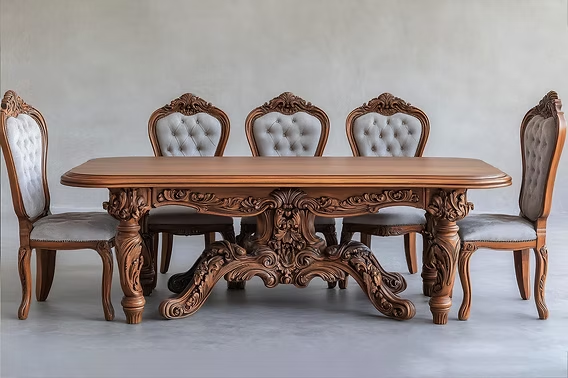
Good craftsmanship is another important factor. Antique furniture that shows skilled woodworking or detailed carving can attract collectors who appreciate historic design.
For instance, well-preserved antique cabinets, wooden tables, and decorative chairs often hold strong interest among buyers.
Rarity and Collector Demand
Some antiques become valuable simply because they are rare.
When only a few similar pieces exist, collectors may compete to purchase them. This can increase the value of the item.
Certain collectibles that often attract attention include:
- antique furniture
- vintage jewelry
- rare coins
- decorative antiques
- old artwork
Understanding the rarity and demand of an item can help sellers estimate its value more accurately.
The Role of Professional Antique Buyers
Professional antique buyers play an important role in the antiques market. These buyers spend years studying vintage items and collectibles.
Their experience helps them recognize valuable pieces quickly.
Experience in Evaluating Antiques
Experienced buyers regularly examine antiques and collectibles. Over time, they learn how to identify important features such as:
- craftsmanship
- materials
- age
- rarity
This knowledge helps them evaluate items more accurately than someone who is unfamiliar with antiques.
When sellers bring items to professional buyers, they often receive helpful insights about their antiques.
Understanding Market Trends
The collectibles market changes over time. Certain styles and items become more popular as trends shift.
For example, many collectors today show strong interest in:
- mid-century furniture
- vintage lighting
- antique silver pieces
- decorative vintage items
Professional buyers often follow these trends closely. This helps them understand what collectors are currently searching for.
Connecting Antiques with Interested Buyers
Professional buyers also interact with collectors who actively search for specific antiques.
These collectors may be interested in items such as vintage furniture, historical artifacts, or unique decorative pieces.
Because buyers already have these connections, they can often recognize when an antique may appeal to someone looking for that particular style.
Types of Antiques That Often Attract Buyers
While many antiques can have value, certain categories often draw more attention from collectors.
Antique Furniture
Antique furniture remains one of the most recognized categories in the antiques world.
Collectors often search for furniture pieces that reflect historical design styles. These pieces may include:
- wooden cabinets
- vintage desks
- decorative chairs
- antique dining tables
Many buyers appreciate the craftsmanship found in older furniture pieces.
Estate Jewelry and Vintage Accessories
Another popular category includes estate jewelry and vintage accessories.
These items may include:
- antique rings
- vintage necklaces
- decorative brooches
- classic watches
Collectors often appreciate the materials and design used in older jewelry pieces.
Coins, Art, and Decorative Collectibles
Some collectors focus on smaller items that carry historical interest.
Examples include:
- rare coins
- old paintings
- decorative porcelain
- vintage sculptures
Even small collectibles can hold strong value depending on their rarity and condition.
Preparing Antiques Before Selling Them
Preparing antiques properly can make the selling process smoother and more organized.
Cleaning Antiques Carefully
When presenting antiques to buyers, it helps to keep them clean. However, antiques should be cleaned gently.
Harsh chemicals or aggressive cleaning can damage delicate materials.
A simple approach such as light dusting and careful wiping is usually enough to present the item clearly.
Maintaining the natural appearance of antique furniture or collectibles helps preserve their character.
Organizing Antique Collections
If you plan to sell multiple items, organizing them can make the process easier.
Grouping similar antiques together allows buyers to examine them more efficiently.
For example, you might separate:
- antique furniture
- decorative collectibles
- jewelry items
- vintage household objects
Clear organization also helps buyers focus on the details of each item.
Documenting the History of an Item
Sometimes antiques come with interesting stories or family history. Any information about the origin of an item can be useful.
Details such as where the item came from or how long it has been owned can add context.
While not every antique has a recorded history, any information you have can help buyers understand the background of the piece.
Meeting with Antique Buyers
When meeting with professional antique buyers, sellers usually bring their items for evaluation.
Buyers will examine the antiques carefully and look at details such as design, condition, and craftsmanship.
They may also ask questions about the history of the item.
These conversations help buyers understand the item better and determine its value in the current market.
For sellers, this step provides an opportunity to learn more about their antiques and understand how the market works.
Conclusion: Making the Most of Your Antique Collection
Selling antique furniture and collectibles can be a rewarding experience. Many vintage items hold both historical interest and market value.
By learning about the basics of the antique market, sellers can better understand how buyers evaluate antiques. Factors like age, condition, craftsmanship, and rarity all play a role in determining value.
Professional antique buyers bring knowledge and experience that helps connect antiques with collectors who appreciate them.
With careful preparation and a clear understanding of the process, selling antiques can become a smooth and enjoyable journey.Whether the item is a vintage chair, decorative collectible, or rare coin, every antique carries a piece of history. When it reaches the right buyer, that history continues in a new collection where it will be appreciated for years to come.