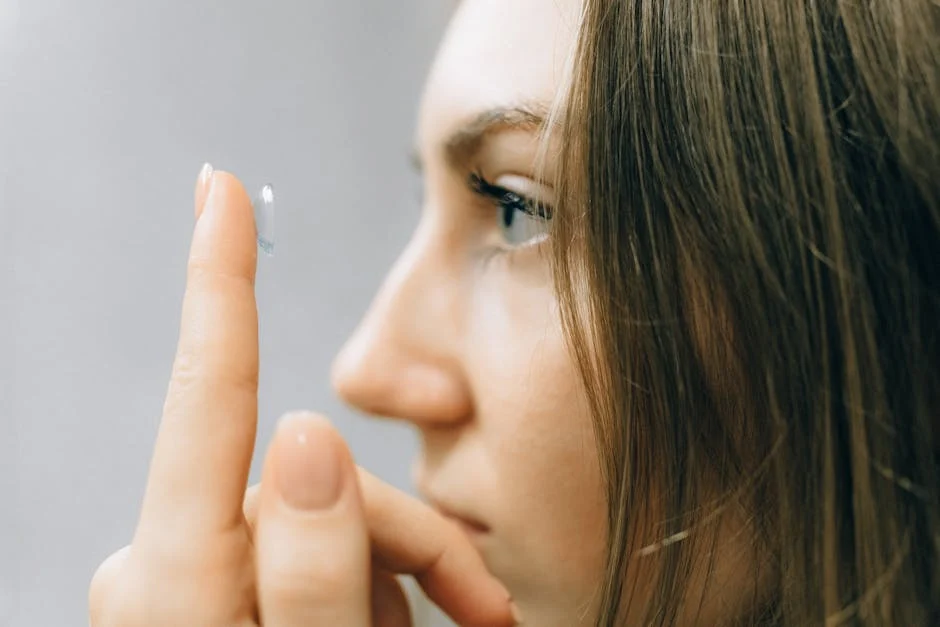
Are modern contact lens fitting technologies improving comfort for first time lens wearers
Last Updated on March 1, 2026 by Dwyane
Many people feel nervous before trying contact lenses for the first time. They worry about comfort. They worry about safety. Some fear that lenses may feel strange or hard to use. These concerns are normal. In the past, contact lens fitting was simple and limited. Today, modern technology has changed everything.
New tools and digital systems help eye care professionals fit lenses with better accuracy and comfort. These advances make it easier for first time wearers to enjoy clear vision without stress. From digital eye scans to advanced materials, modern contact lens fitting focuses on comfort and safety.
Organizations like American Optometric Association and Centers for Disease Control and Prevention highlight the importance of proper contact lens fitting. A good fit protects eye health and improves daily comfort. This article explains how modern contact lens fitting technologies are improving comfort for first time lens wearers and why personalized fitting matters more than ever.
RELATED: Dayalases: Innovation, Digital Identity & Future Trends
Why Comfort Matters for First Time Contact Lens Wearers
Understanding first time lens anxiety
First time contact lens users often feel unsure. They may worry about putting lenses in their eyes. Some think lenses will cause pain or dryness. These concerns are common. A proper fitting helps reduce fear and build confidence.
Comfort is the key to successful contact lens use. If lenses feel comfortable from the start, new users are more likely to continue wearing them. If lenses feel dry or tight, they may stop using them. Modern fitting technology helps prevent this problem.
How comfort affects long term use
Comfort plays a big role in long term eye health. Poorly fitted lenses can cause redness, dryness, and blurred vision. Over time, discomfort may lead to infections or irritation.
A well fitted lens improves clarity and allows natural eye movement. It also helps maintain healthy tear flow. According to American Academy of Ophthalmology, proper lens fitting reduces the risk of complications and improves satisfaction.
Modern contact lens fitting technology focuses on comfort from day one. This helps first time wearers enjoy a smooth transition to contact lenses.
Modern Technologies Used in Contact Lens Fitting
Digital eye scanning and corneal mapping
One of the biggest advances in contact lens fitting is digital eye scanning. Eye care professionals now use high tech devices to measure the shape of the eye. These tools create detailed images of the cornea.
Corneal mapping shows curves and surface details. It helps determine the exact size and shape of the lens needed. This process ensures that lenses sit correctly on the eye.
Technology from companies like ZEISS and Topcon allows precise measurements within seconds. This accuracy improves comfort and vision quality. First time wearers benefit from lenses designed specifically for their eyes.
Tear film analysis for dry eye prevention
Tear film plays a major role in contact lens comfort. If the eyes are dry, lenses may feel rough or irritating. Modern fitting exams include tear film analysis.
Devices measure moisture levels and tear stability. This helps identify dry eye risks before lenses are prescribed. Eye care professionals can then recommend lenses designed for hydration and comfort.
Brands like Acuvue and Biofinity offer lenses with moisture retention technology. These lenses keep eyes hydrated throughout the day. This is especially helpful for first time users who worry about dryness.
Trial lenses and real world testing
Modern contact lens fitting includes trial lenses that allow users to test comfort. Instead of guessing, eye care professionals provide sample lenses for real world use.
Patients wear trial lenses while reading, working, or using digital screens. This helps determine if the fit is comfortable. Adjustments can be made based on feedback.
This step improves confidence for first time wearers. They can experience comfort before committing to long term use.
Advanced Lens Materials and Comfort Technology
Breathable silicone hydrogel lenses
Traditional lenses sometimes blocked oxygen from reaching the eye. This caused dryness and discomfort. Modern lenses use silicone hydrogel materials that allow more oxygen flow.
Brands like Bausch + Lomb and Alcon have developed breathable lenses that keep eyes healthy. Oxygen flow reduces redness and irritation. First time wearers notice improved comfort even after long hours of use.
Moisture rich lens designs
Hydration is essential for comfort. New lens designs include moisture locking technology. These lenses retain water and prevent dryness.
Daily disposable lenses are especially popular among new users. They provide a fresh pair each day. This reduces buildup of protein and debris. Clean lenses feel smoother and more comfortable.
Moisture rich lenses also help people who spend long hours on digital devices. Screens can reduce blinking and cause dryness. Modern lenses help maintain eye moisture throughout the day.
Custom and specialty lens options
Not all eyes are the same. Some people have astigmatism or irregular corneas. Specialty lenses provide customized solutions.
Toric lenses correct astigmatism and maintain stable vision. Multifocal lenses help people who need near and distance vision correction. Custom lenses are designed for unique eye shapes.
Companies like CooperVision offer personalized options for different needs. These solutions improve comfort and clarity for first time wearers.
Role of Eye Care Professionals in Modern Fitting
Personalized consultations and lifestyle analysis
Modern contact lens fitting goes beyond basic measurements. Eye care professionals now evaluate lifestyle and daily habits. They ask questions about screen time, work environment, and sports activities.
For example, someone who uses computers all day may need moisture rich lenses. Athletes may need stable lenses that stay in place during movement. Personalized recommendations improve comfort and performance.
Guidelines from World Health Organization emphasize preventive eye care. Regular exams and proper fitting support long term vision health.
Education and training for new users
First time contact lens wearers need guidance. Eye care professionals teach proper insertion and removal techniques. They also explain cleaning routines and replacement schedules.
Education reduces anxiety and improves confidence. Patients learn how to handle lenses safely. This prevents common issues like irritation or infection.
Follow up visits allow adjustments if needed. These visits ensure that lenses remain comfortable over time.
Benefits of Modern Contact Lens Fitting for Comfort
Reduced irritation and dryness
Modern fitting technology helps prevent irritation. Accurate measurements ensure lenses sit correctly on the eye. Breathable materials allow oxygen flow. Moisture rich designs keep eyes hydrated.
These features reduce dryness and redness. First time wearers experience smoother comfort throughout the day.
Improved visual clarity
Comfort and clarity go together. A well fitted lens provides stable vision. It does not shift or blur. Advanced mapping technology ensures precise alignment.
Clear vision improves daily activities. Reading, driving, and screen use become easier. This boosts confidence for new users.
Greater confidence for beginners
Many people hesitate to try contact lenses. Modern technology makes the process simple and safe. Personalized fitting and trial lenses build trust.
When lenses feel comfortable, new users feel confident. They can enjoy clear vision without worrying about discomfort.
Contact Lens Fitting for Different Age Groups
Teens and young adults
Many teens choose contact lenses for sports and social activities. Modern fitting technology helps ensure safety and comfort. Eye care professionals teach proper hygiene and care.
Myopia control lenses are also available for younger users. These lenses help manage nearsightedness progression. This supports long term eye health.
Adults and digital device users
Adults often spend long hours on screens. This can cause digital eye strain and dryness. Modern lenses address these issues with hydration technology.
Multifocal lenses help adults who need near and distance correction. Proper fitting ensures comfort throughout busy workdays.
Older adults and presbyopia
As people age, they may need help with reading and distance vision. Multifocal contact lenses provide convenient solutions. Modern fitting ensures that lenses remain comfortable and stable.
Eye care professionals consider tear production and eye sensitivity in older adults. This helps maintain comfort and clarity.
Safety and Hygiene in Modern Contact Lens Use
Importance of proper cleaning routines
Comfort depends on hygiene. Clean lenses reduce irritation and infection risk. Eye care professionals provide clear instructions on cleaning and storage.
Daily disposable lenses simplify hygiene. They eliminate the need for cleaning solutions. This option is ideal for first time wearers who want convenience.
Regular eye exams and monitoring
Routine eye exams ensure continued comfort. Eye care professionals check for dryness or irritation. They adjust lens type if needed.
Organizations like Centers for Disease Control and Prevention stress the importance of regular checkups. Monitoring helps prevent complications and maintains eye health.
Future Trends in Contact Lens Fitting Technology
Smart lenses and digital integration
Researchers are exploring smart contact lenses with sensors. These lenses may monitor eye health and hydration levels. Technology continues to evolve.
Companies like Johnson & Johnson Vision invest in research for advanced lens design. Future innovations may offer even greater comfort and convenience.
Artificial intelligence in eye measurements
Artificial intelligence helps analyze eye data quickly. It improves accuracy in lens selection. This reduces trial and error. First time wearers benefit from faster and more precise fittings.
As technology advances, contact lens comfort will continue to improve. Personalized solutions will become more accessible.
Conclusion
Modern contact lens fitting technologies are transforming the experience for first time lens wearers. Advanced tools like digital eye scanning and tear analysis allow precise measurements. Breathable materials and moisture rich designs improve comfort throughout the day.
Personalized fitting and professional guidance help reduce anxiety. First time users can enjoy clear vision without discomfort. Education and follow up care ensure long term success and safety.
Organizations such as American Optometric Association and American Academy of Ophthalmology emphasize the value of proper fitting and regular exams. These practices protect eye health and improve comfort.
As technology continues to evolve, contact lens fitting will become even more accurate and personalized. For first time wearers, this means a smoother start and a more comfortable vision experience. Modern contact lens fitting is not just about vision correction. It is about comfort, confidence, and long term eye health.