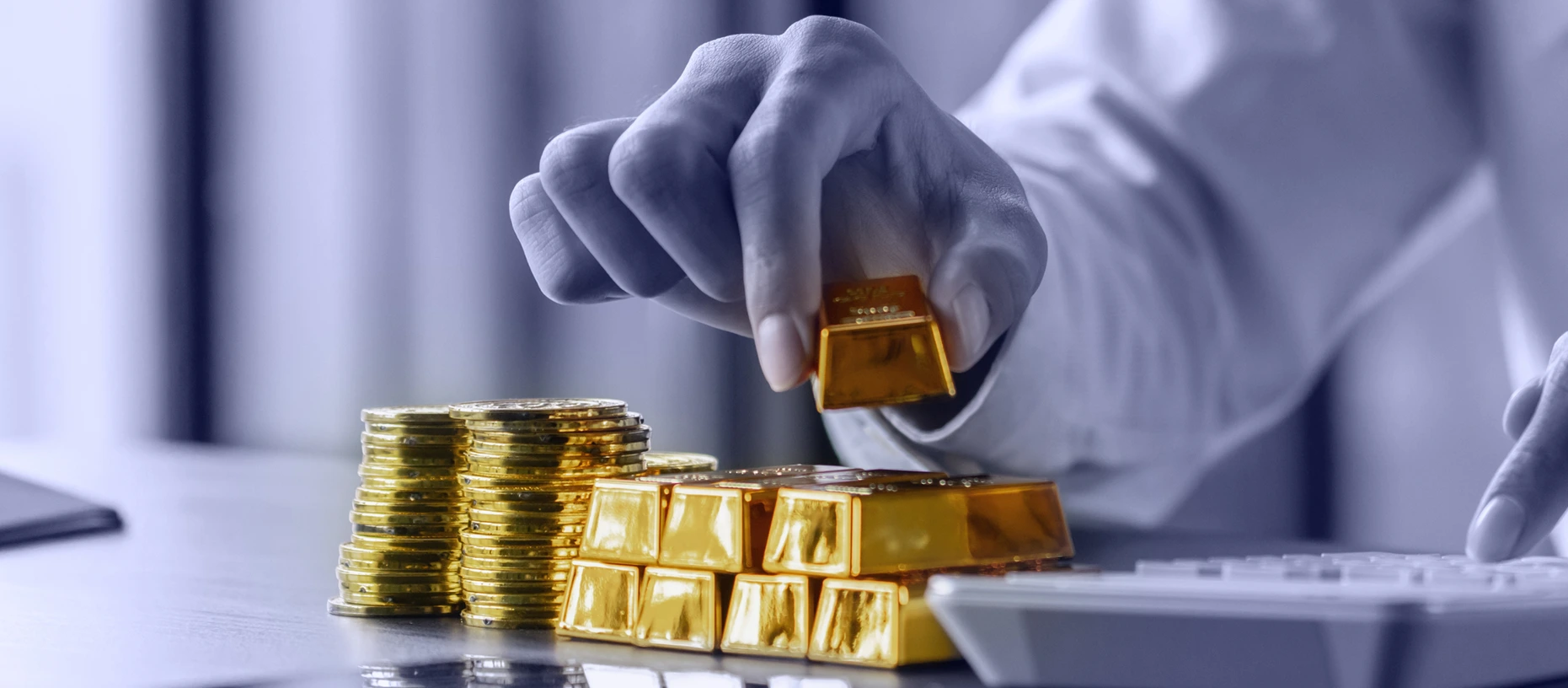
Investing always carries some level of risk. Markets go up and down, currencies change value, and global events can impact investments overnight. Because of this uncertainty, many investors look for ways to protect their wealth. One option many people consider is investing in precious metals such as gold, silver, platinum, and palladium.
For centuries, metals like gold have been viewed as a stable store of value. Even during economic crises, many investors trust precious metals to help protect their money. However, buying these assets without proper knowledge can still expose investors to risk. Fake products, market confusion, and poor purchasing decisions can lead to costly mistakes.
This is where a precious metals investment dealer can play an important role. A knowledgeable dealer can help investors understand the market, choose the right products, and avoid common pitfalls.
So the question many new investors ask is simple: Can working with a precious metals investment dealer actually reduce investment risk?
The answer is often yes. When investors work with experienced professionals, they gain access to expertise, market insights, and verified products that help reduce uncertainty and protect their investments.
What Does a Precious Metals Investment Dealer Do?
A precious metals investment dealer acts as a professional intermediary between investors and the precious metals market. These dealers help individuals buy, sell, and sometimes store physical metals.
Unlike casual sellers or online marketplaces, professional dealers typically specialize in investment-grade products such as bullion bars and certified coins.
Buying and Selling Physical Gold and Silver
One of the main roles of a dealer is helping investors purchase physical precious metals. These usually include gold bars, gold coins, silver bullion, and other metal products recognized in global markets.
Dealers often provide access to well-known bullion products such as American Gold Eagles, Canadian Maple Leaf coins, or gold bullion bars produced by internationally recognized refiners. These products follow strict purity standards and are widely accepted in global trading markets.
Working with a trusted dealer helps investors avoid counterfeit items and ensures the metals meet recognized industry standards.
Helping Investors Choose the Right Metal Products
Not all precious metals investments are the same. Some investors prefer gold coins, while others focus on silver bullion or diversified metals portfolios.
A knowledgeable dealer can help explain the differences between various products. For example:
- Gold bullion is often chosen for long-term wealth preservation
- Silver bullion can offer lower entry prices and higher trading flexibility
- Platinum and palladium may appeal to investors looking for additional diversification
By guiding investors through these options, a dealer helps them make informed choices that align with their financial goals.
Providing Market Pricing and Investment Guidance
Precious metals prices change daily based on global supply and demand. Prices are influenced by factors such as inflation, interest rates, and international economic conditions.
A professional dealer follows market movements closely and provides updated pricing information based on the global spot price of metals.
Access to this information helps investors avoid overpaying and better understand when market conditions may be favorable for buying or selling.
Why Investors Work With Precious Metals Dealers
Many investors choose to work with professional dealers rather than buying metals through private sellers or unknown websites. This decision can help reduce several common risks associated with precious metals investing.
Access to Certified Coins and Bullion
One of the biggest concerns when buying precious metals is authenticity. Counterfeit coins and bars can appear convincing, especially to new investors.
Reputable dealers typically source products from recognized mints and refiners such as the United States Mint, Royal Canadian Mint, or Perth Mint. These institutions follow strict quality and purity standards.
By purchasing through verified channels, investors reduce the risk of receiving fake or low-quality metals.
Transparent Pricing and Market Insights
The price of precious metals is based on the spot market, but dealers may add a premium depending on the product type and availability.
Professional dealers usually provide transparent pricing that reflects current market conditions. They also help investors understand why certain products carry higher premiums.
This transparency helps investors make better decisions and avoid hidden costs.
Secure Transactions and Authentic Products
Security is another important factor in precious metals investing. Reputable dealers typically offer secure payment methods, insured shipping, and clear documentation for purchases.
These safeguards help ensure that investors receive the exact products they purchase and reduce the risk of fraud or financial loss.
Types of Precious Metals You Can Invest In
Precious metals investing includes several different options. Each metal has unique characteristics and investment potential.
Gold Bars and Gold Coins
Gold is the most widely recognized precious metal investment. For centuries, civilizations have used gold as a store of wealth and a symbol of financial stability.
Popular gold investment products include gold bullion bars and gold coins issued by government mints.
Gold often attracts investors seeking protection from inflation, currency devaluation, and economic uncertainty.
Silver Bullion and Collectible Coins
Silver is another common investment metal. Compared to gold, silver often has a lower price per ounce, making it accessible to many investors.
Silver bullion products include coins and bars with high purity levels. Some investors also collect silver coins because they can carry additional numismatic value.
Because silver is used in industries such as electronics, solar technology, and medical equipment, its price can also be influenced by industrial demand.
Platinum and Palladium Investment Options
While less common than gold and silver, platinum and palladium are also important investment metals.
These metals are widely used in automotive catalytic converters, industrial manufacturing, and advanced technologies.
Investors sometimes include these metals in their portfolios to increase diversification and reduce reliance on a single asset.
How Precious Metals Fit Into an Investment Strategy
Precious metals are often used as part of a diversified investment portfolio. Many investors combine metals with other assets such as stocks, bonds, and real estate.
Diversifying Beyond Stocks and Bonds
Diversification is one of the most common strategies for reducing investment risk.
When markets become volatile, traditional investments like stocks may decline in value. Precious metals, however, often behave differently from equities.
Because of this difference, metals can help balance a portfolio during periods of market uncertainty.
Protecting Wealth From Inflation
Inflation reduces the purchasing power of money over time. When inflation rises, currencies can lose value.
Historically, gold has often been used as a hedge against inflation. Many investors view gold as a way to preserve purchasing power during economic instability.
Long-Term Wealth Preservation
Precious metals are generally considered long-term assets. Unlike speculative investments, metals tend to maintain value over extended periods.
Because of this, investors often hold metals as part of a long-term wealth preservation strategy.
What to Consider When Choosing a Precious Metals Dealer
Not all dealers operate the same way. Choosing the right partner is an important step in reducing investment risk.
Reputation and Industry Experience
A dealer’s reputation can reveal a lot about their reliability. Investors often look for dealers with strong industry experience and positive customer feedback.
Organizations such as the Better Business Bureau (BBB) or professional trade groups can sometimes provide insight into a company’s credibility.
Product Selection and Availability
A good dealer typically offers a wide range of precious metals products. Access to multiple investment options allows investors to diversify their holdings.
Product variety can also indicate that a dealer has strong relationships with reputable mints and refiners.
Transparent Fees and Pricing
Investors should always understand how pricing works before making a purchase.
Clear explanations of premiums, shipping costs, and payment policies help ensure there are no surprises during the transaction.
Transparency is one of the key indicators of a trustworthy dealer.
Conclusion
Investing in precious metals can be a valuable way to protect wealth and diversify an investment portfolio. However, like any financial decision, it involves risks that investors must carefully consider.
Working with a precious metals investment dealer can help reduce several of these risks. Professional dealers provide access to verified metals, transparent pricing, and guidance based on market knowledge.
They also help investors avoid common problems such as counterfeit products, hidden fees, or poor purchasing decisions.
While no investment is completely risk-free, informed decisions can greatly improve the chances of success. By partnering with knowledgeable professionals and understanding the role of metals like gold, silver, platinum, and palladium, investors can make more confident choices in uncertain markets.
For many individuals seeking long-term financial stability, precious metals remain an important part of a balanced investment strategy.