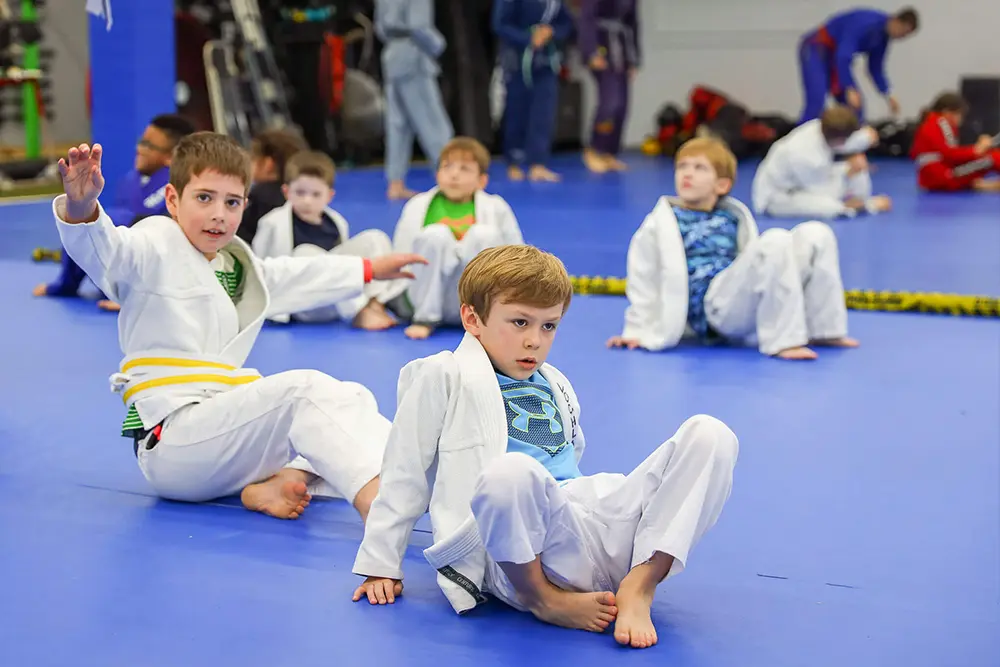
Many parents look for activities that help their children grow stronger, more confident, and more disciplined. Sports are often the first choice. Team games like soccer and basketball are popular. But more families are now exploring Brazilian Jiu Jitsu as an option for their children.
Before enrolling a child in Brazilian Jiu Jitsu classes, parents naturally have questions. Is it safe? Will it help with confidence? What does a typical class look like? Is prior experience needed? These are important things to understand before making a decision.
Kids Brazilian Jiu Jitsu classes focus on teaching technique, discipline, and self control. The goal is not fighting. It is learning how to move safely, respect others, and develop life skills. Knowing what to expect helps parents choose the right program and feel confident about their child’s training journey.
RELATED: Série Ba: Ultimate Guide to Brazil’s Second Division
Understanding What Brazilian Jiu Jitsu Is
What makes Brazilian Jiu Jitsu different
Brazilian Jiu Jitsu, often called BJJ, is a grappling based martial art. It focuses on control, balance, and leverage rather than punching or kicking. BJJ teaches students how to defend themselves using technique instead of strength.
Unlike striking arts such as Karate or Taekwondo, BJJ training happens mostly on the ground. Students learn positions, escapes, and safe submission techniques. This makes it different from other martial arts.
Is Brazilian Jiu Jitsu safe for kids
Safety is one of the biggest concerns for parents. In structured kids Brazilian Jiu Jitsu classes, safety rules are clear. Children are taught how to fall safely, how to tap out, and how to respect training partners.
Instructors supervise closely and adjust techniques for age and skill level. The focus is learning, not hurting others. When taught correctly, BJJ can be a safe and structured activity for children.
Do kids need prior martial arts experience
No prior experience is required. Most children start as complete beginners. Classes are designed to teach fundamentals step by step. Students learn basic movements before practicing more advanced techniques.
Every child begins at the white belt level. Progress comes with time and consistency.
Physical Benefits Parents Should Know About
Strength and coordination development
Kids Brazilian Jiu Jitsu classes help improve strength in a natural way. Children use their own body weight during drills and partner exercises. This builds functional strength without heavy equipment.
BJJ also improves coordination. Learning different positions and transitions strengthens balance and body awareness.
Flexibility and mobility
Children often gain flexibility through regular training. Movements like bridging, shrimping, and rolling improve joint mobility. These skills support overall athletic performance.
Flexibility also reduces the risk of injury and supports healthy growth.
Healthy energy outlet
Many children have high energy levels. BJJ provides a positive outlet for that energy. Physical activity helps improve sleep and overall mood.
Parents often notice improved behavior after children begin regular training.
Mental and Emotional Growth
Building confidence
Confidence grows when children learn new skills. In Brazilian Jiu Jitsu, progress is visible. Children earn stripes and belts as they improve.
Each achievement builds self esteem. Learning how to handle challenges on the mat helps children feel capable in other areas of life.
Improving focus and listening skills
BJJ classes require attention. Children must listen to instructions and apply techniques correctly. This improves concentration and discipline.
Many parents report that children become more focused at school after starting martial arts training.
Teaching resilience and patience
BJJ can be challenging. Children may struggle with new techniques or lose during practice rounds. Learning to stay calm and try again builds resilience.
Patience is an important life skill. BJJ teaches children that progress takes time and effort.
Self Defense and Bully Prevention
Age appropriate self defense skills
Parents often ask about self defense. Brazilian Jiu Jitsu teaches children how to protect themselves without relying on aggression. Techniques focus on escaping and controlling situations safely.
The goal is awareness and control, not fighting.
Building awareness and confidence
Children who feel confident are less likely to be targeted by bullies. Training helps them stand tall and stay calm in stressful situations.
Confidence and awareness can reduce the chance of confrontation.
Learning respect and control
Respect is central to BJJ culture. Students bow before entering the mat. They learn to treat instructors and classmates with respect.
This structure reinforces positive behavior outside the gym as well.
What a Typical Kids BJJ Class Looks Like
Warm up and movement drills
Classes usually begin with a warm up. Children practice movements like forward rolls and shrimp drills. These build strength and prepare the body for training.
Warm ups are designed to be fun and engaging.
Technique instruction
Instructors demonstrate a specific technique. Students practice with partners under supervision. The focus is proper form and safe execution.
Repetition helps children build muscle memory and confidence.
Controlled practice and games
Many classes include controlled sparring or grappling games. These allow children to apply what they learned in a safe way.
Games make learning enjoyable while reinforcing technique.
Choosing the Right Program
Qualified instructors
Parents should look for experienced instructors. Coaches with strong backgrounds in Brazilian Jiu Jitsu understand both technique and child development.
Good instructors emphasize safety, patience, and positive reinforcement.
Class structure and age groups
Programs often separate children by age and skill level. This ensures appropriate instruction. Younger children may focus more on movement and basic control.
Older children may practice more detailed techniques.
Clean and safe training environment
Clean mats and proper hygiene are important. Parents should check that facilities are well maintained.
A safe and organized environment supports positive learning experiences.
Commitment and Long Term Expectations
Belt progression for kids
The belt system for children includes multiple levels. Kids may earn colored belts before reaching adult ranks. Promotions are based on effort, attendance, and skill.
Progress takes time. Parents should encourage consistency rather than focusing only on belt advancement.
Balancing training with school
Training two or three times per week is common. Over scheduling can lead to burnout. Balance between school, family, and training is important.
Moderate, consistent practice supports steady improvement.
Setting realistic goals
Not every child will compete in tournaments. Many train for fitness and fun. Parents should discuss goals with instructors and their child.
Clear expectations help create a positive experience.
Addressing Common Parent Concerns
Fear of injury
Minor bumps and bruises are normal in any sport. Serious injuries are rare in properly supervised kids Brazilian Jiu Jitsu classes. Emphasis on safety reduces risk.
Encouraging children to speak up about discomfort supports safe training.
Shyness or social anxiety
BJJ classes can help shy children build social skills. Partner drills encourage cooperation and communication.
Over time, children often form strong friendships in class.
Long term commitment
Parents may wonder if their child will stick with it. Like any activity, interest may vary. Giving children time to adjust helps them decide if they enjoy training.
Support and encouragement play a big role in long term participation.
Conclusion
Before enrolling a child in Brazilian Jiu Jitsu classes, parents should understand the physical, mental, and social benefits of the sport. Brazilian Jiu Jitsu is more than self defense. It builds confidence, discipline, focus, and resilience.
Safety, qualified instructors, and structured training are key factors to consider. When taught in a supportive environment, BJJ provides a positive outlet for energy and growth. Children learn respect, teamwork, and problem solving skills that extend beyond the mat.With realistic expectations and steady encouragement, kids Brazilian Jiu Jitsu classes can become a rewarding activity. For many families, it is not just a sport. It is a pathway to stronger character, healthier habits, and lifelong confidence.