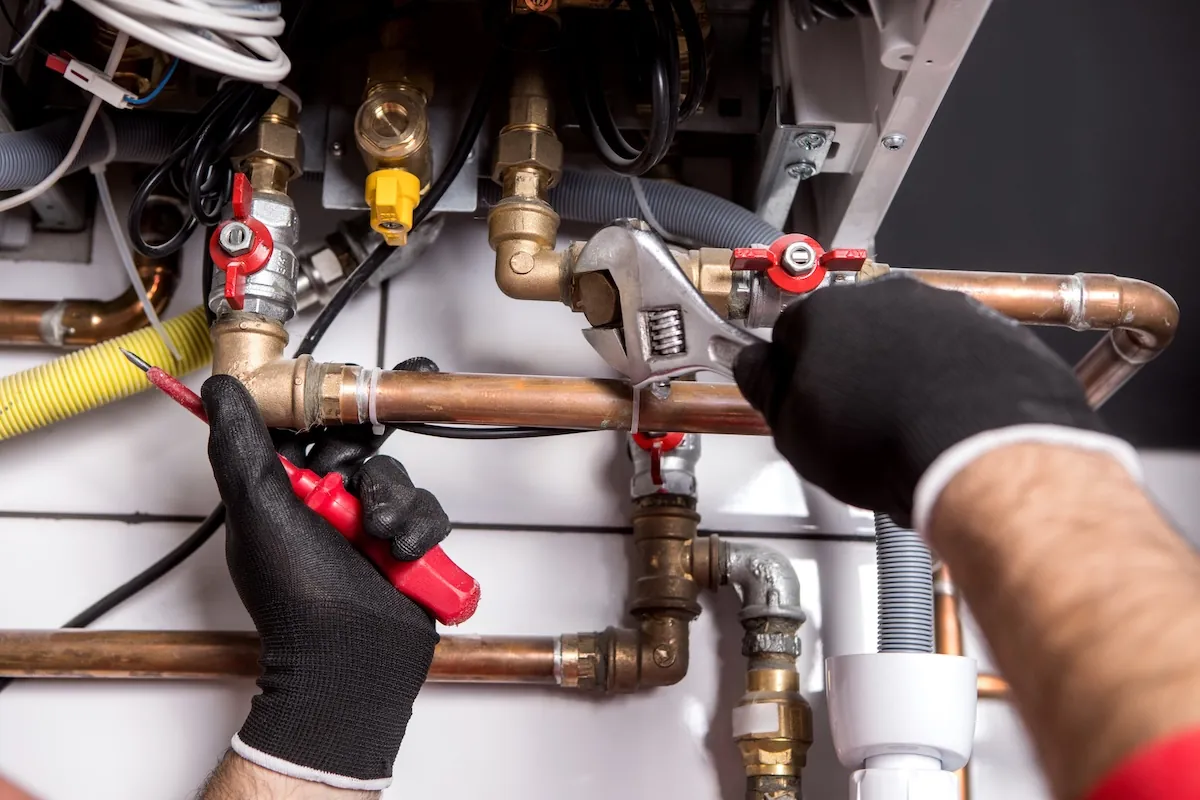
Boiler maintenance matters because a boiler is not just a heating appliance. It is the core of winter safety and comfort in many homes. When it runs well, families stay warm, pipes stay protected, and fuel use stays predictable. When it runs poorly, the signs often show up at the worst time, during a cold snap, a storm, or a weekend when service is harder to schedule. A simple maintenance routine helps prevent that stress by catching small issues early and keeping the system efficient all season.
Home comfort is changing. People still rely on traditional heating systems, but they now expect better control, fewer emergencies, and lower monthly costs. That is why the best approach blends reliable equipment care with practical planning, fuel awareness, and smart tools that help you respond before problems grow.
RELATED: What Role Does Biodiesel Play in Building Sustainable Cost Efficient Residential Heating Systems
How Boiler Problems Start Quietly
Boilers rarely fail in a dramatic way at first. Most issues begin slowly and feel minor until they suddenly are not.
A boiler can start losing efficiency because of soot buildup, mineral scaling, or restricted airflow. Small leaks can develop at fittings, valves, or aging seals. Sensors can drift out of calibration. Circulator pumps can weaken over time. Expansion tanks can lose pressure. Any one of these problems can reduce comfort and increase fuel use, even while the boiler still appears to be running.
Scheduling routine boiler maintenance helps identify minor performance issues before they turn into costly breakdowns or complete system failure.
Why Cold Weather Makes Small Issues Become Big Incidents
Winter exposes weak points fast. When outdoor temperatures drop, your boiler runs longer and harder. That extra demand can turn a small problem into a complete loss of heat.
If the burner is not tuned correctly, the boiler may short cycle, waste fuel, or struggle to keep up. If pressure is off, heat may not move evenly through the system. If air is trapped in hydronic lines, radiators can stay cool even while the boiler is working nonstop. If condensate lines or vents are compromised, the system may shut down as a safety response.
That is why maintenance is not just about comfort. It is about reliability when your home needs heat most.
The Real Cost of Skipping Maintenance
Skipping maintenance does not always create an immediate breakdown, but it often creates higher costs in three ways.
First, fuel waste. A boiler that is dirty or out of tune burns more fuel to deliver the same heat.
Second, wear and tear. When parts are strained, they fail faster. That includes pumps, igniters, sensors, and controls.
Third, emergency repair pricing and disruption. A planned service visit is usually simpler than a no heat call during peak winter demand.
Even when the repair itself is not expensive, the stress is. Cold indoor temperatures, family discomfort, and the risk of frozen pipes can turn a routine issue into a high pressure situation.
How Maintenance Improves Fuel Efficiency and Budget Control
Boiler systems work best when combustion is clean, airflow is correct, and heat transfer is efficient. Maintenance supports all of that.
During a professional tune up, technicians can clean key components, verify safe operation, and adjust settings so the boiler runs closer to its intended efficiency. That can reduce the tendency to overheat and then shut off repeatedly, which wastes fuel. It can also improve consistent heat delivery so you do not feel forced to raise the thermostat higher than necessary.
When fuel use becomes more predictable, budgeting becomes easier. Families can plan deliveries more calmly, avoid surprise runouts, and reduce the panic that comes with sudden cold snaps.
Why Boiler Care Supports Indoor Comfort and Air Quality
Many people associate indoor air quality with forced air systems, but boiler performance still affects health and comfort.
A boiler that operates correctly supports stable indoor temperatures and balanced humidity. That steadiness can improve sleep and reduce the dry hot then cold cycle that makes homes feel uncomfortable.
Safety also matters. Proper venting and combustion checks help prevent carbon monoxide risks. You may not see a problem forming, which is why routine inspection is important even when everything seems fine.
How Smart Technology Fits With Traditional Boiler Systems
You do not need a full smart home to benefit from better monitoring. Simple upgrades can make a boiler system easier to manage.
A smart thermostat can help maintain steadier temperatures and reduce unnecessary runtime. Temperature sensors can reveal cold spots that suggest flow issues, air in the lines, or balancing problems. Alerts can notify you when temperatures drop unexpectedly, which is especially useful if you travel or if parts of the home are lightly used.
Technology does not replace maintenance. It supports it by making early warning signs visible sooner.
What a Good Maintenance Visit Usually Includes
A thorough boiler service typically focuses on safety, efficiency, and reliability. The exact steps vary by boiler type, but the goals remain the same.
Technicians often check combustion performance and ensure the flame is stable. They inspect the heat exchanger for signs of wear or buildup. They test safety controls and limit switches. They verify proper venting. They confirm correct pressure and temperature operation. They inspect the circulator pump, expansion tank, and key valves. They may bleed air from the system when needed and review system behavior to prevent uneven heating.
When you get maintenance before winter hits hard, you give yourself time to fix small issues without emergency pressure.
How Maintenance Prevents Frozen Pipe Risks
Boiler reliability is directly tied to pipe safety. If heat stops in winter, pipes can freeze fast, especially near exterior walls, basements, crawl spaces, and uninsulated areas.
Even a partial failure can create risk. For example, if some zones stop heating because of a stuck valve or air blockage, certain parts of the home can drop below safe temperatures while other rooms remain warm.
Maintenance helps keep zone control stable and heat delivery even, reducing the chance of hidden cold areas that lead to freezing.
How to Build a Simple Winter Readiness Plan
A practical plan does not need to be complicated. It needs to be consistent.
Schedule a boiler inspection before the coldest months begin.
Replace or clean any system filters if your setup includes them.
Confirm thermostat settings and consider a schedule that reduces waste.
Check for drafts and insulation gaps that force the boiler to work harder.
Know where shutoff valves are and keep service contact information accessible.
If you use delivered fuel, monitor usage patterns and plan deliveries early during high demand periods.
This approach reduces both breakdown risk and winter stress.
Conclusion
Boilers are built for durability, but they still need routine care to stay reliable, efficient, and safe. Proactive maintenance reduces emergency breakdowns, cuts fuel waste, and supports stable comfort when winter conditions are harsh. When combined with simple monitoring tools and thoughtful fuel planning, boiler care becomes a long term strategy for comfort and peace of mind rather than a last minute scramble.
If winter comfort matters, the smartest move is to treat maintenance as part of your home protection plan, not as an optional extra.