Heating and cooling shape daily comfort. When a home feels too hot in summer or too cold in winter, the HVAC system becomes the most important machine in the house. But installing a new system is not cheap. That is why many homeowners first ask for an HVAC installation cost estimate before making any big decision.
A detailed estimate helps people plan smarter. It shows what the full project will cost, what equipment is needed, and how long installation may take. It also helps homeowners avoid surprise expenses and choose energy efficient upgrades that save money over time.
Understanding how a cost estimate works makes it easier to upgrade heating and cooling systems with confidence. With the right information, homeowners can choose better equipment, manage their budget, and improve home comfort without stress.
RELATED: Wattip: Privacy-First Social + Smart Energy
Understanding What an HVAC Installation Cost Estimate Includes
Equipment and system pricing breakdown
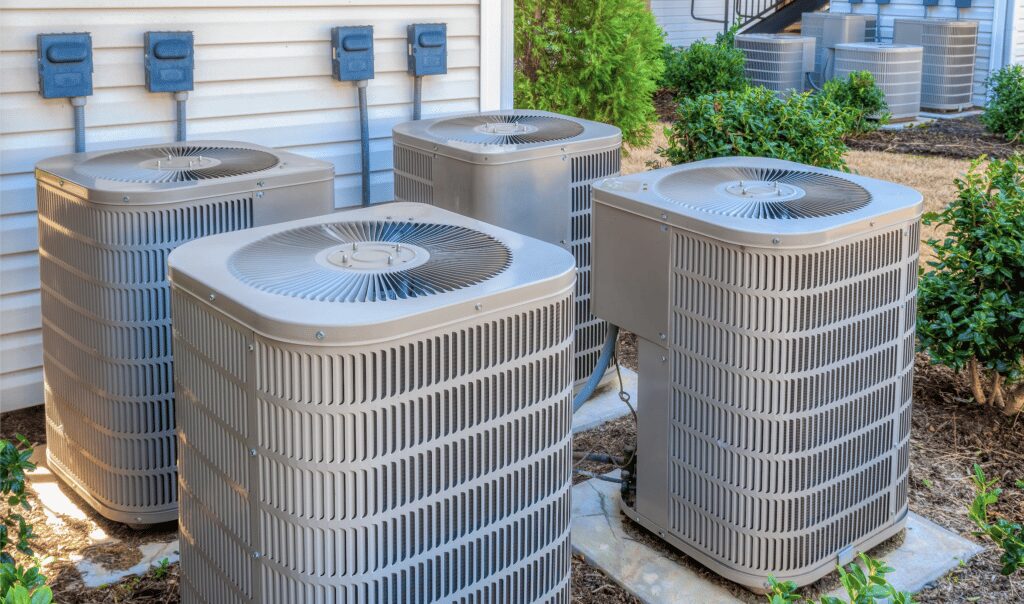
An HVAC installation cost estimate usually starts with equipment pricing. This includes the air conditioner, furnace, heat pump, or ductless system. High efficiency systems often cost more upfront but can save money later on energy bills.
Many estimates also list system size based on square footage. A larger home needs a stronger system. This means more materials and higher installation costs. A professional estimate helps homeowners understand why certain systems cost more than others.
Labor and installation services
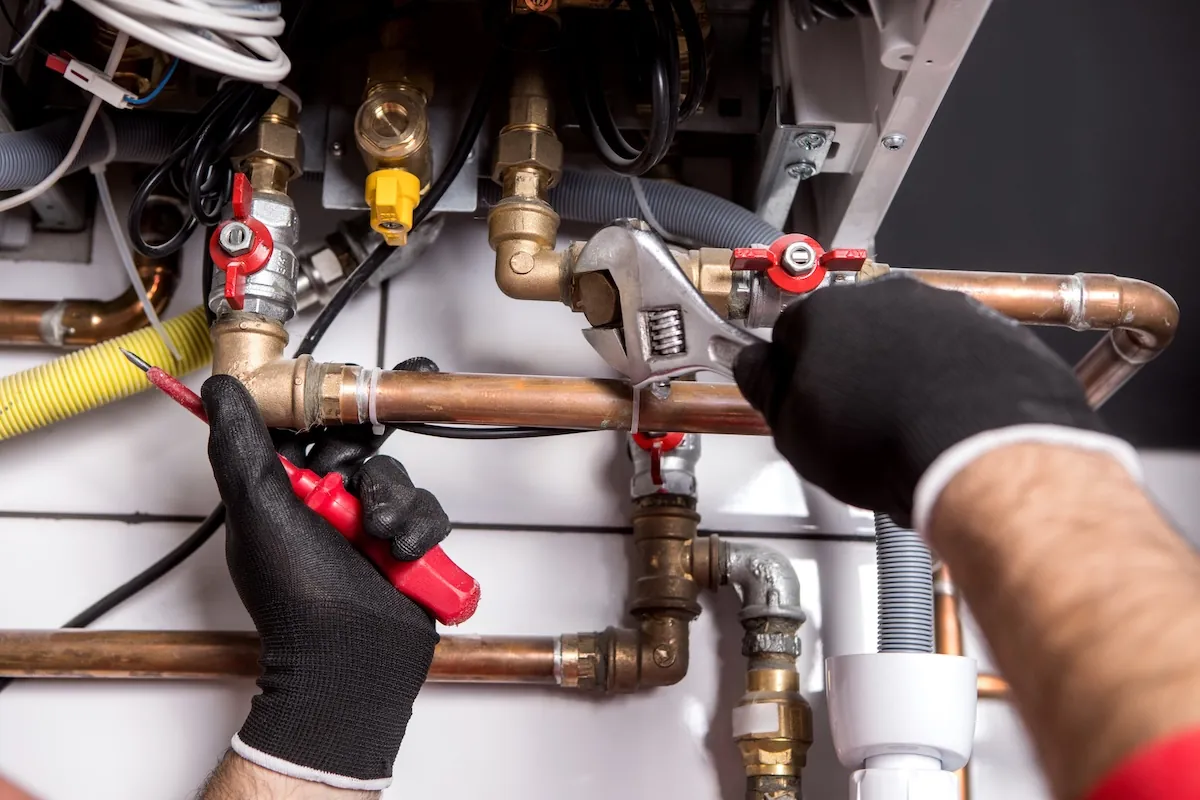
Labor is another major part of the estimate. Skilled technicians install the system, connect electrical parts, and test performance. This work takes time and training. A proper estimate shows labor costs clearly so homeowners know what they are paying for.
Installation may include removing an old system, preparing the area, and installing new components. All of these steps affect the final price. A detailed estimate makes each step easy to understand.
Additional materials and upgrades
Many homes need extra materials during installation. These can include new ductwork, smart thermostats, insulation, or electrical upgrades. Each item adds to the total cost.
A clear estimate lists these details. This helps homeowners plan for full project costs instead of just equipment pricing. It also helps them decide which upgrades are worth adding now.
Why Accurate Cost Estimates Help Homeowners Budget Better
Avoiding unexpected expenses
One of the biggest benefits of an HVAC installation cost estimate is cost clarity. Without an estimate, homeowners may face surprise charges during installation. Extra ductwork or electrical repairs can quickly raise costs.
When everything is listed early, homeowners can prepare their budget. They know what to expect and can avoid stress later. This makes the upgrade process smoother and more predictable.
Planning for financing or payment options
Many people use financing for heating and cooling upgrades. A cost estimate helps them choose the best payment plan. Knowing the total price makes it easier to apply for financing or set a savings goal.
Some homeowners also compare quotes from different contractors. This allows them to choose a system that fits both comfort needs and budget limits.
Setting realistic upgrade timelines
Budget planning also affects timing. Some homeowners replace systems right away. Others plan upgrades over several months. An estimate helps them decide when to start the project.
For example, replacing a system before summer can prevent emergency breakdowns. With clear pricing, homeowners can schedule installation at the best time.
Factors That Influence an HVAC Installation Cost Estimate
Home size and layout
The size of a home plays a major role in pricing. Larger homes need bigger systems and more ductwork. Multi story homes may require zoning systems to maintain even temperatures.
A professional estimate includes measurements and layout details. This ensures the system is sized correctly for comfort and efficiency.
Type of HVAC system selected
Different systems have different costs. A central air conditioner may cost less than a full heat pump system. A ductless mini split may be ideal for homes without ducts. Each option has unique pricing and benefits.
Energy efficient systems often cost more upfront but reduce monthly energy bills. An estimate helps homeowners compare long term savings with initial investment.
Energy efficiency ratings and features
High efficiency systems with strong SEER ratings or ENERGY STAR certification can lower energy use. They may also qualify for rebates or tax credits.
A cost estimate often includes efficiency details. This helps homeowners decide if a higher efficiency system is worth the extra cost. In many cases, long term savings make the upgrade a smart investment.
Comparing System Options Before Installation
Central air vs ductless systems
Some homes use central air systems with ducts. Others benefit from ductless systems. A cost estimate allows homeowners to compare both options side by side.
Central air works well for larger homes with existing ducts. Ductless systems are great for room additions or homes without ductwork. Seeing both costs helps homeowners choose wisely.
Heat pump vs furnace installation
A heat pump is used for its dual function for providing both heating and cooling. A gas furnace focuses on heating only. Each system has different installation costs and energy use.
A clear estimate shows how each option affects monthly energy bills. This helps homeowners choose the most efficient solution for their climate and lifestyle.
Smart thermostat and technology upgrades
Many new systems include smart thermostats and advanced controls. These features improve comfort and energy savings. They also add to installation costs.
Seeing these upgrades in an estimate helps homeowners decide which features are necessary and which are optional.
Hidden Costs Homeowners Often Overlook
Permits and inspection requirements
Local regulations may require permits for HVAC installation. Inspections ensure systems are installed safely and correctly. These costs are usually included in a professional estimate.
Knowing about permits early prevents delays and confusion. It verifies that the installation meets safety standards.
Electrical and ductwork modifications
Older homes sometimes need electrical updates to support modern systems. Damaged or outdated ductwork may also need replacement. These changes can affect pricing.
A detailed estimate checks for these issues in advance. This helps homeowners plan for full project costs and avoid surprises.
Removal of old equipment
Removing an old HVAC system takes time and effort. Disposal fees and labor costs may apply. Many homeowners forget about this step when planning an upgrade.
A complete estimate includes removal costs. This ensures the final price reflects the entire project.
How Cost Estimates Help Improve Energy Efficiency Decisions
Choosing energy saving systems
Energy efficient systems can reduce monthly utility bills. However, they may cost more upfront. An estimate shows the price difference between standard and high efficiency options.
This helps homeowners decide if the long term savings are worth the investment. Many find that efficient systems pay for themselves over time.
Understanding long term savings
A detailed estimate often includes energy usage information. This helps homeowners see how much they might save each month. Lower energy bills can offset installation costs over several years.
Knowing these numbers makes it easier to choose smarter upgrades.
Accessing rebates and incentives
Some regions offer rebates for energy efficient HVAC systems. These programs can lower installation costs. A professional estimate may include information about available incentives.
This helps homeowners take advantage of savings and reduce upfront expenses.
Getting the Most Accurate HVAC Installation Cost Estimate
Scheduling a home evaluation
The best estimates come from in-home evaluations. Technicians inspect the current system, measure space, and check ductwork. This ensures accurate pricing.
Online estimates can provide rough numbers, but in-home visits give the most reliable results.
Asking the right questions
Homeowners should ask about equipment brands, warranties, and efficiency ratings. They should also ask about installation time and maintenance needs. These details help them make informed decisions.
A good estimate answers these questions clearly.
Comparing multiple estimates
Getting more than one estimate helps homeowners compare options. They can review equipment choices, labor costs, and warranty coverage. This ensures they choose the best value for their budget.
Comparing estimates also helps identify unusually high or low pricing.
Conclusion
An HVAC installation cost estimate does more than show a price. It helps homeowners plan smarter heating and cooling upgrades from start to finish. With clear details about equipment, labor, and additional costs, homeowners can make confident decisions that improve comfort and efficiency.
Accurate estimates prevent budget surprises, support energy efficient choices, and make it easier to schedule upgrades at the right time. They also help homeowners compare systems, explore financing, and understand long term savings.
By requesting a detailed estimate before installation, homeowners gain control over their project. They can choose the right system, manage costs wisely, and create a comfortable home environment that lasts for years.