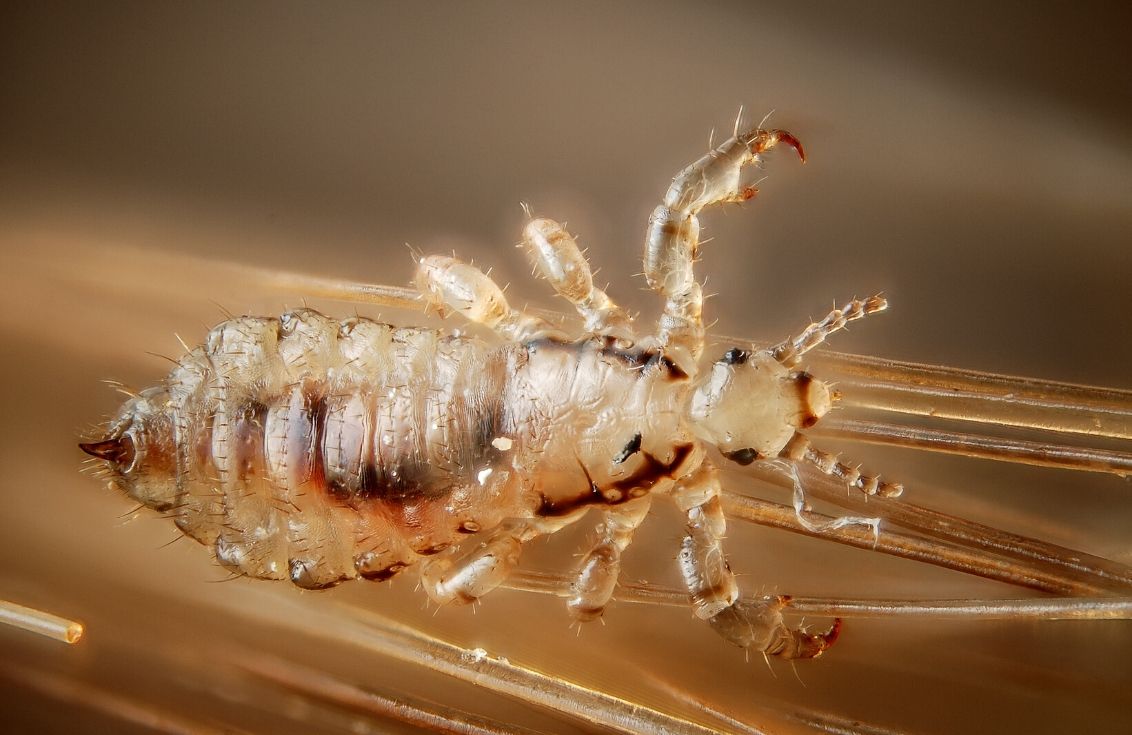
lice do not spread disease; they create discomfort, stress, and repeated disruption for both households and classrooms. Many families treat lice once and assume the problem is gone, only to face another outbreak weeks later.
The reason is simple. Lice control works best when it is handled as a shared responsibility between schools and families. When detection, treatment, and prevention are aligned across both environments, infestations can be reduced significantly, and the cycle of reinfestation can be broken.
A structured, informed approach ensures children remain comfortable, confident, and focused on learning instead of dealing with repeated itching and embarrassment.
Understanding Why Lice Spread So Easily Among Children
Children interact closely every day. In classrooms, playgrounds, and group activities, head to head contact happens naturally. Lice cannot jump or fly, but they crawl quickly from one strand of hair to another during close contact.
Because lice survive best on the human scalp, they spread mainly through direct contact. However, shared personal items such as hats, hairbands, helmets, or brushes can occasionally transfer lice if used immediately after an infested person.
Young children are particularly vulnerable because they often play closely together and may not recognize early symptoms. Without regular checks, lice can remain undetected for days or even weeks.
Why Early Detection Makes the Biggest Difference
The earlier lice are found, the easier they are to manage. A single case can turn into a classroom wide concern if not identified quickly. Routine checks at home and awareness at school are essential for stopping spread at the earliest stage.
Parents should check their child’s hair at least once a week, especially behind the ears and near the neckline where lice prefer to stay. Using a fine tooth comb under bright light helps reveal both live lice and tiny eggs attached to hair strands.
Schools that encourage early reporting and provide educational reminders create a supportive environment. When parents feel comfortable informing teachers or school nurses, action can be taken quickly without stigma.
The School’s Role in Preventing Reinfestation
Schools play a crucial role in maintaining awareness and minimizing outbreaks. While treatment must occur at home, schools can reduce spread through consistent communication and preventive habits.
Educating students about avoiding head to head contact during play or group work is helpful. Encouraging children not to share personal items such as hats, combs, or headphones also reduces risk. Clear messaging delivered in a calm, non alarming way ensures students understand prevention without feeling embarrassed.
Timely communication with families is equally important. When a case is detected, schools can inform parents discreetly and provide guidance on what to check for and how to respond. This coordinated response prevents small issues from becoming widespread problems.
The Family’s Role in Complete Lice Removal
Families are responsible for treating and monitoring lice cases thoroughly. Successful removal requires patience and consistency rather than rushed action.
A complete home routine includes:
- Careful combing to remove lice and eggs
- Following treatment instructions precisely
- Repeating checks and treatments as recommended
- Cleaning frequently used personal items
- Monitoring all household members
Skipping follow up checks is one of the most common reasons lice return. Eggs that remain close to the scalp can hatch days later, restarting the cycle. Rechecking hair every few days for two weeks ensures complete removal.
Why Many Families Are Moving Toward Safer Treatment Approaches
As awareness about chemical exposure grows, many parents now prefer gentler methods for managing lice. Some children experience irritation, redness, or sensitivity from strong pesticide based shampoos. Others may have allergies or skin conditions that make harsh treatments uncomfortable.
This has led to increased interest in non toxic lice treatment as a safer alternative. Instead of relying on insecticides, these methods focus on removing lice through careful combing, natural suffocation techniques, or gentle solutions that are less likely to irritate the scalp.
Such approaches can be especially helpful for younger children or those with sensitive skin, providing effective results without unnecessary exposure to strong chemicals.
Building a Consistent Routine Between Home and School
The most effective lice control happens when schools and families follow similar prevention strategies. Consistency prevents confusion and ensures that every case is handled properly.
A shared routine might include:
Weekly hair checks at home
Immediate treatment when lice are found
Notification to close contacts when appropriate
Avoiding sharing of personal hair items
Follow up checks over two weeks
When multiple families act at the same time, the chances of lice returning drop significantly. Coordinated treatment within friend groups or classrooms often stops outbreaks quickly.
Addressing Emotional and Social Concerns
Children dealing with lice may feel embarrassed or isolated. How adults respond can shape their experience. Calm reassurance helps children understand that lice are common and manageable.
Avoid blaming language. Instead, explain that lice spread easily among children and that many families face the same issue. Keeping communication open helps children cooperate with treatment and prevention steps.
Schools that treat lice as a routine health matter rather than a disciplinary issue help maintain student confidence and reduce stigma.
Preventing Future Outbreaks Through Education
Education is the most powerful prevention tool. Teaching children simple habits can reduce the likelihood of future infestations.
Encourage them to avoid sharing hats or hair accessories. Suggest tying back long hair during school hours. Show them how to recognize itching early and tell an adult if they notice symptoms.
Parents who perform quick weekly checks can catch problems before they spread. A few minutes of prevention saves hours of treatment later.
Long Term Benefits of a Coordinated Approach
When schools and families work together consistently, several long term benefits appear. Outbreaks become less frequent. Treatment becomes quicker and easier. Children feel less stress and miss fewer school days. Families spend less time and money managing recurring infestations.
Most importantly, children learn healthy hygiene habits and feel supported by both their home and school environments.
Conclusion
Managing lice effectively requires more than a single treatment. It requires teamwork, awareness, and consistency from both schools and families. Early detection, proper treatment, and ongoing prevention work best when everyone follows the same plan.
By combining routine checks, clear communication, and safe treatment choices, communities can reduce outbreaks and prevent reinfestation. With informed action and cooperation, lice becomes a manageable issue rather than a recurring problem, allowing children to focus on learning, play, and daily life without discomfort or concern.